
Over the past two months, the regions responsible for producing the world’s most valuable spice have experienced significant geopolitical turbulence.
Airspace closures across key saffron-export corridors lasted for weeks in certain border regions. Export operations slowed. Shipments already in transit faced uncertain timelines. And businesses that had built production schedules around expected deliveries suddenly found themselves managing delays, shortages, and sourcing uncertainty they had not anticipated.
This was not a theoretical supply chain scenario. It happened in real time and it exposed a structural weakness that many saffron buyers only recognized once disruption had already reached their operations.
The Structural Risk Behind Global Saffron Supply
Unlike many agricultural commodities, saffron production is geographically concentrated.
A significant share of the world’s commercial saffron supply originates from Iran and Afghanistan; regions where export infrastructure can become highly sensitive to geopolitical instability, sanctions, regional conflict, currency fluctuations, and airspace restrictions.
This creates a different type of sourcing risk compared to more diversified agricultural products. There is no immediate alternative origin capable of replacing global saffron supply at scale within short timeframes. When instability affects producing regions, the consequences move quickly through international markets.
These disruptions also influence regional pricing conditions, making it important for buyers to monitor market-specific trends, such as the Saffron price in India, when planning procurement and inventory strategy.
For businesses where saffron is a production-critical ingredient, these disruptions are not simply procurement issues.
They directly affect operational continuity.
In food manufacturing, hospitality, beverages, confectionery, wellness products, gifting, and premium retail, saffron helps define:
- aroma profile
- color performance
- flavor consistency
- and the overall customer experience
Once consumers associate a product with a specific sensory standard, maintaining consistency becomes essential. Changes in saffron quality, availability, or performance can impact product stability, customer satisfaction, and long-term brand trust.
Over the recent disruption period, businesses relying heavily on spot sourcing models or single-origin procurement strategies faced some of the greatest operational pressure. Once export routes slowed and airspace access became restricted, lead times extended not by days; but by weeks.
Why Supply Stability Must Be Built Before Disruption Happens
Reliable sourcing does not begin during a crisis.
It begins long before markets become unstable.
Over recent years, global agricultural supply chains have faced increasing pressure from geopolitical instability, shifting trade routes, logistics disruptions, transportation volatility, and rising operational complexity.
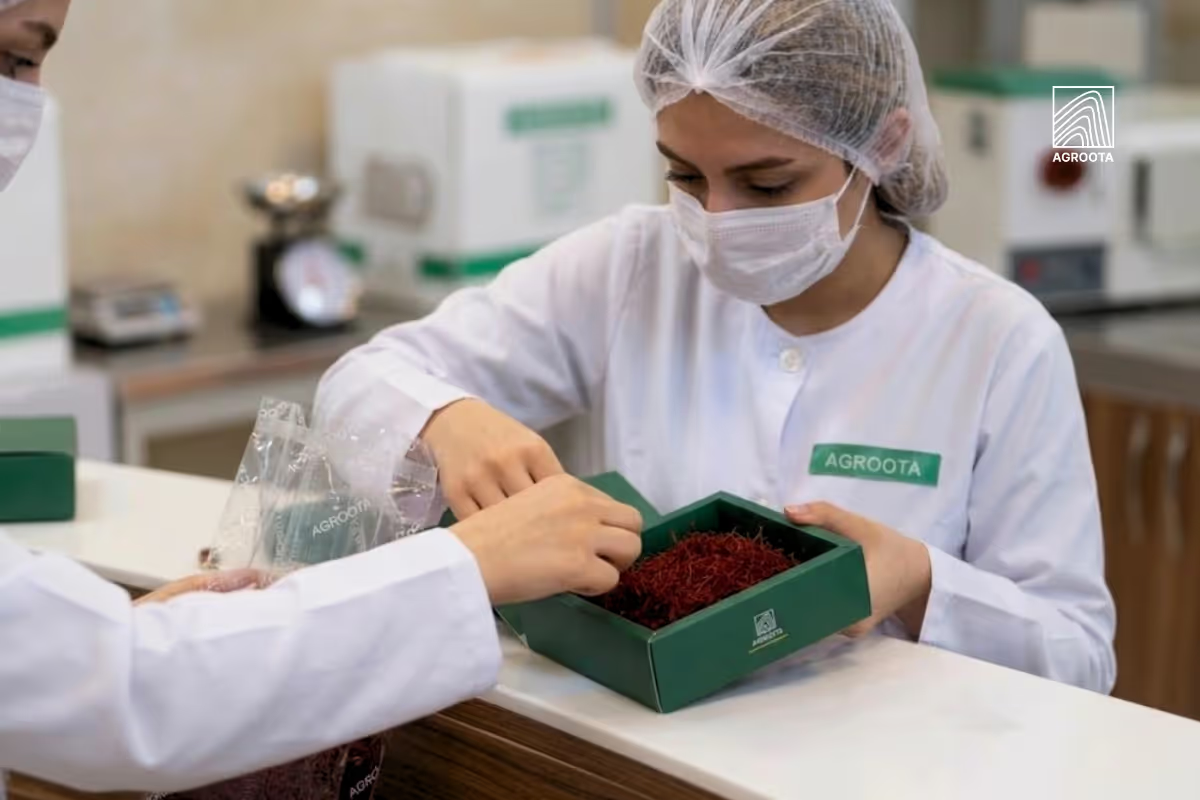
During this period, Agroota focused on building a supply structure designed for continuity rather than short-term opportunistic sourcing.
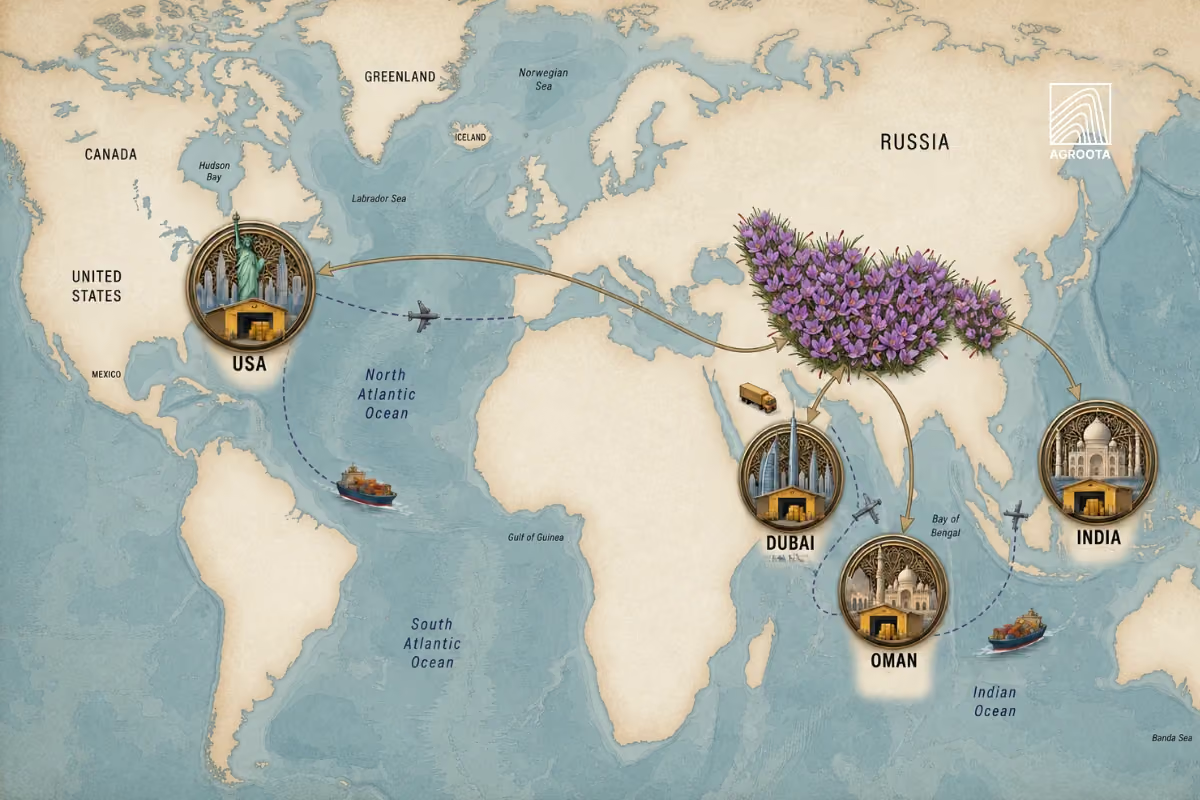
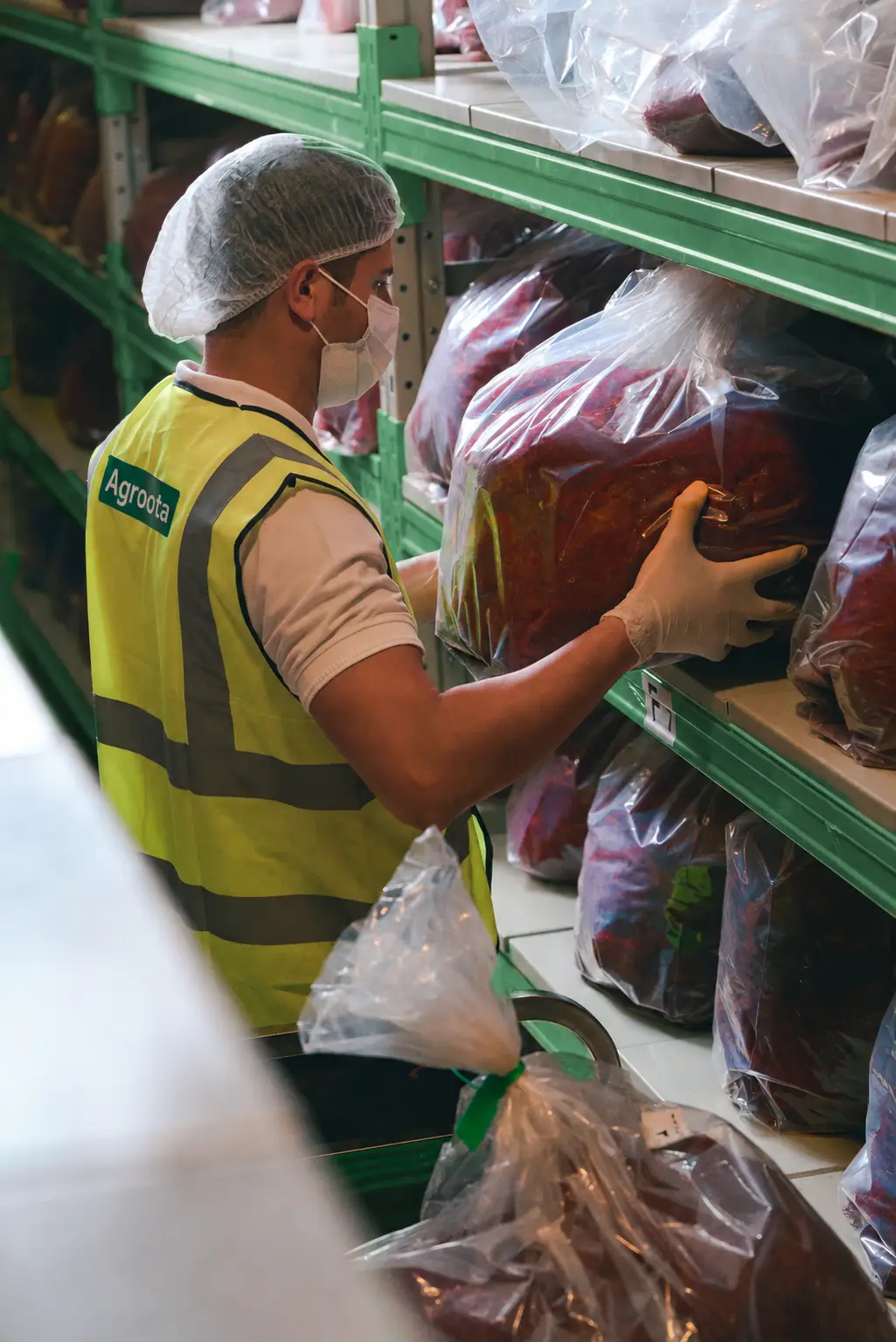
That meant investing in local inventory infrastructure across strategically important markets including Dubai, India, Oman, and the United States; not as an emergency contingency plan, but as a long-term operational strategy designed to support wholesale partners with greater supply consistency and delivery stability.
For businesses that depend on saffron as a core ingredient, regional inventory availability can significantly reduce exposure to origin-side disruption and transportation uncertainty.
What a Distributed Supply Model Means for Wholesale Buyers
When saffron supply becomes constrained at origin; whether due to geopolitical conditions, harvest variability, export limitations, or logistics disruption; markets typically react quickly.
Lead times increase. Inventory becomes less accessible. Procurement costs become more volatile. Buyers without secured supply are often forced into difficult decisions:
- absorb rising costs
- delay production schedules
- reduce inventory confidence
- or compromise on product consistency
A distributed inventory model changes that dynamic.
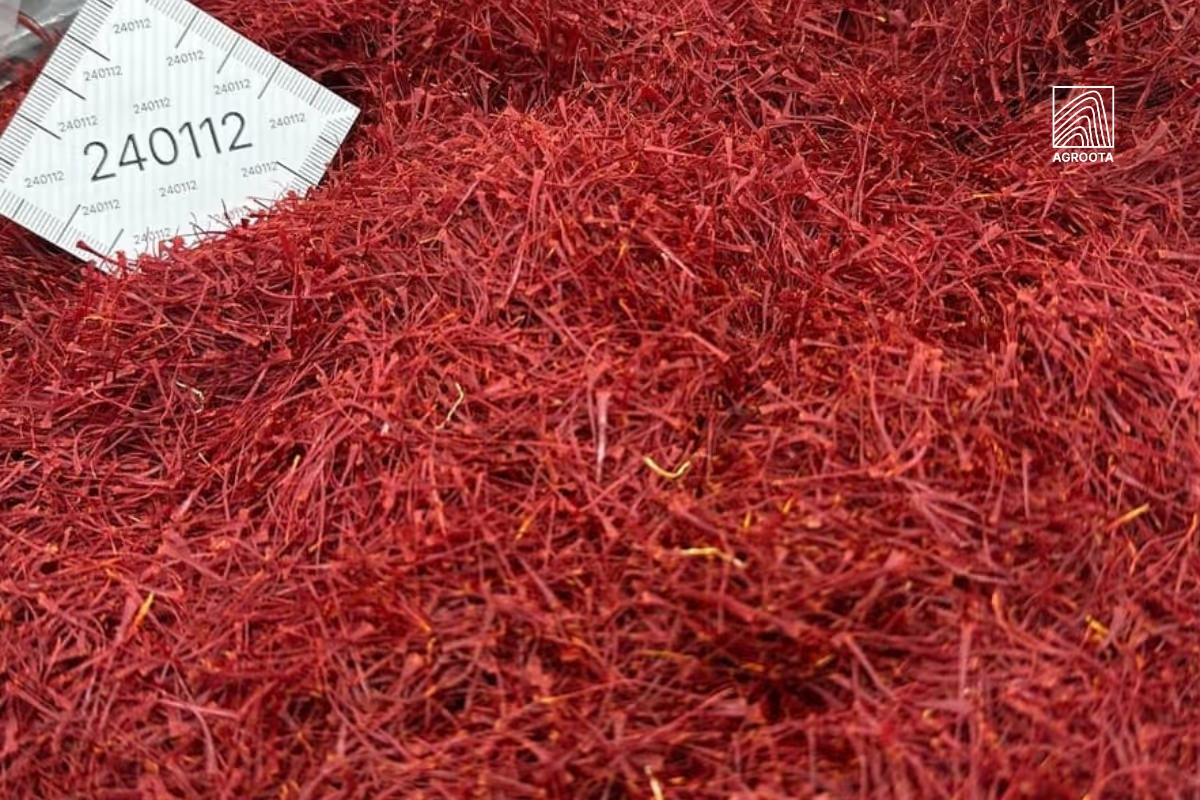
Because Agroota maintains pre-positioned stock across multiple regions, our partners benefit from greater supply continuity, more stable access to inventory, and improved operational predictability during periods of market disruption.
In regional trading hubs, buyers also need visibility into pricing benchmarks such as the Saffron price in UAE, especially when sourcing through Dubai and other Middle Eastern distribution markets.
The work required to create supply stability must happen before instability begins. That is the principle behind how we operate.
Built for Long-Term Business Partnerships
Our approach has always been designed for businesses that treat saffron as a production-critical raw material rather than an occasional commodity purchase.
For manufacturers, hospitality groups, beverage producers, retailers, and private-label brands, consistency in saffron sourcing directly affects consistency in the final customer experience.
Over more than seven years of working with buyers across international markets, we have seen the difference between transactional supply relationships and operational partnerships.
The difference is infrastructure. A dependable supplier relationship is built on the ability to maintain consistency not only during favorable market conditions, but also during periods of disruption, volatility, and uncertainty.
That infrastructure is what Agroota has invested in building F,and it is what supports the partners we work with today.
Looking to Source Saffron in Bulk?
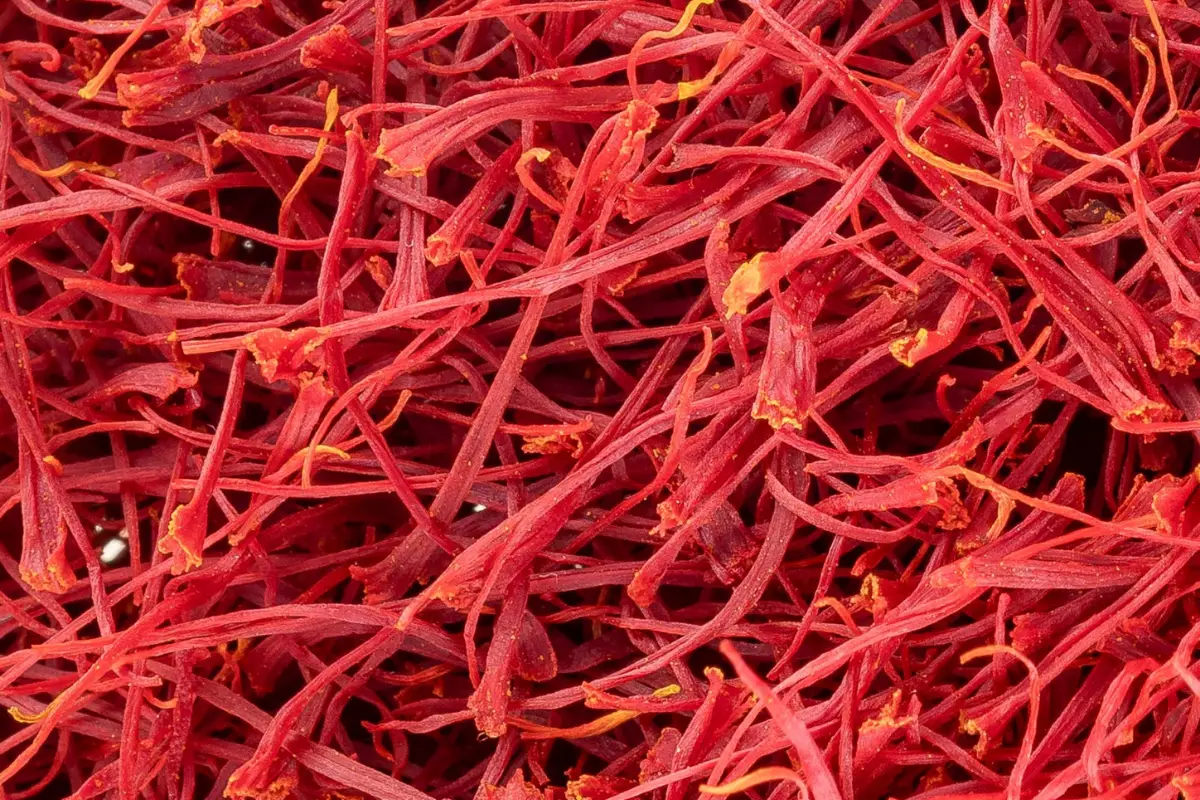
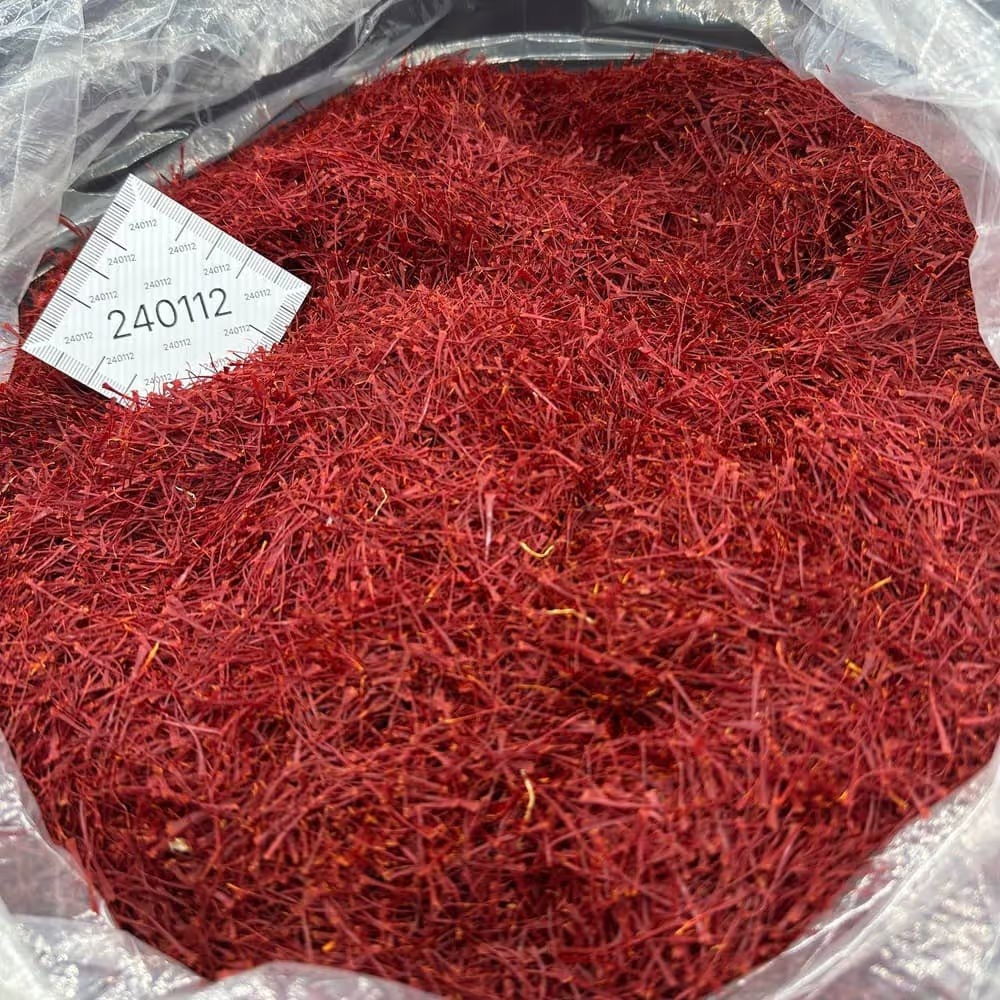
Compare saffron types, review available batches, and source wholesale saffron for your business based on current supply availability.
Need Current Bulk Saffron Pricing?
View indicative wholesale saffron price ranges by type, or learn how Agroota helps businesses source saffron in bulk.


.svg)


