
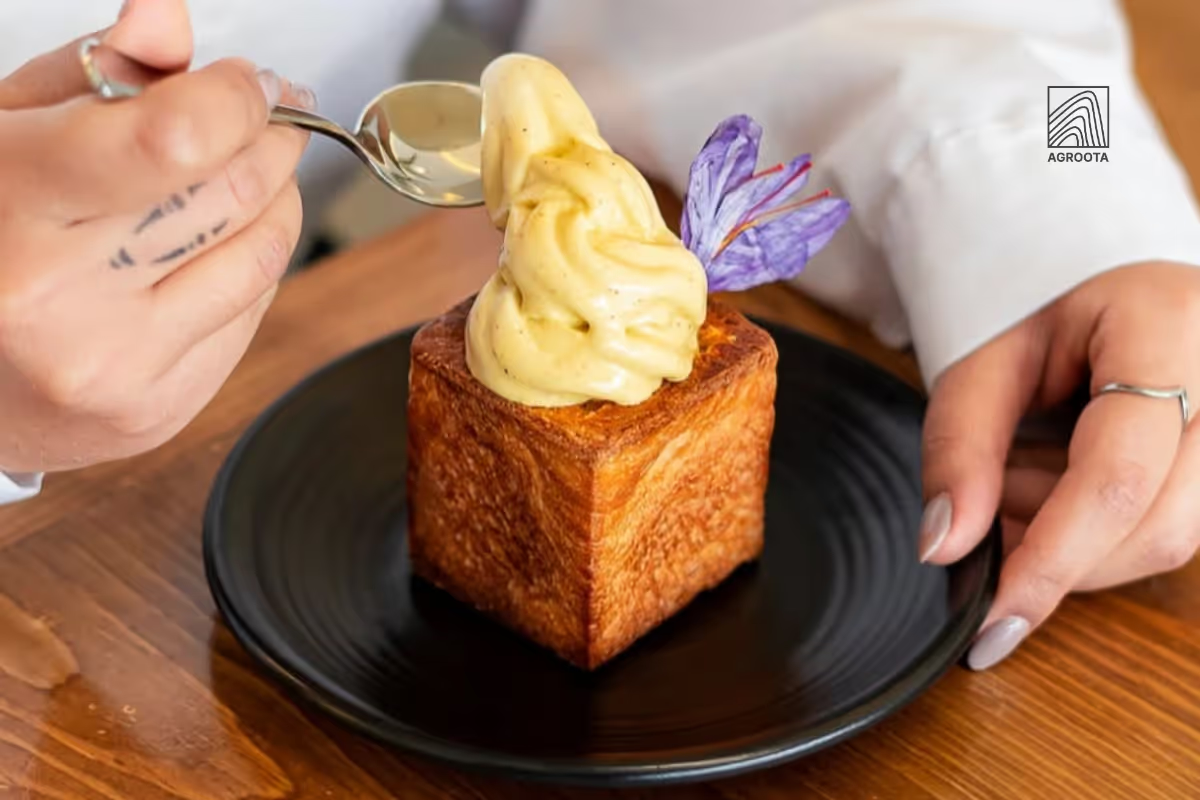
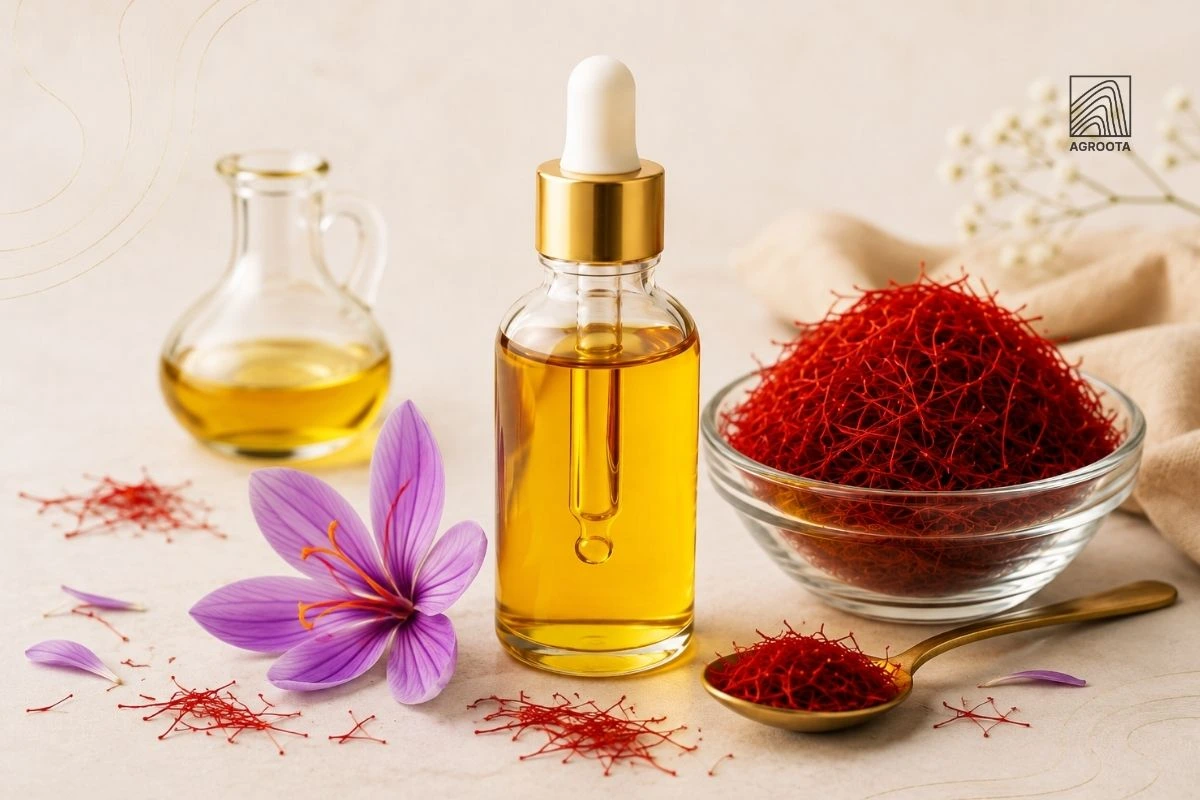
Saffron is one of the few spices that people recognize before they fully understand it. Many know its golden color. Many know its high price. But its taste is harder to describe, because saffron is not a loud or simple spice.
So, what does saffron taste like?
Saffron has a delicate, layered flavor that is often described as floral, earthy, honey-like, hay-like, and slightly bitter. It is not sweet in the way sugar or honey is sweet, and it is not bitter in the way strong medicine or burnt food is bitter. Good saffron sits between those impressions. It adds warmth, depth, aroma, and a refined golden character to food and drinks.
That complexity is one reason saffron is so valuable in Persian, Indian, Mediterranean, Middle Eastern, and European cooking. Used correctly, it does not dominate a dish. It changes the whole character of it. This is also why saffron is often known as the most expensive spice in the world.
What Does Saffron Taste Like?
The most accurate way to describe saffron taste is floral, earthy, warm, slightly bitter, and subtly sweet.
At first, saffron may feel gentle. It does not hit the tongue like chili, cinnamon, clove, or black pepper. Instead, it builds slowly. The flavor is aromatic and elegant, with a dry floral note, a warm hay-like quality, and a faint bitterness that gives it structure.
This slight bitterness is important. Without it, saffron would feel flat or simply perfumed. With it, saffron becomes more balanced and complex.
Good saffron should not taste artificial, dusty, overly metallic, or harsh. It should feel clean, aromatic, and persistent. If the taste is weak, strange, or mostly color without aroma, the saffron may be old, poorly stored, low grade, or adulterated.
From a scientific point of view, saffron’s sensory character is linked mainly to three compounds: crocin, picrocrocin, and safranal. Crocin is associated with saffron’s yellow-golden coloring strength, picrocrocin is strongly connected with bitterness, and safranal contributes to saffron’s characteristic aroma.
For anyone asking what is saffron, the answer is not only about the red threads or the flower it comes from. Its real value is also found in its aroma, taste, color release, and how it performs in food and drinks.
Is Saffron Sweet or Bitter?
Saffron can feel both slightly sweet and slightly bitter, but it is not strongly one or the other.
The sweetness is more aromatic than sugary. Many people describe it as honey-like because saffron has a soft floral warmth that reminds them of honey, dried flowers, or warm tea. But saffron does not taste like honey directly.
The bitterness is also subtle. In high-quality saffron, bitterness adds depth. It should not become unpleasant unless too much saffron is used, or the saffron is poorly handled.
This is why dosage matters. A small amount of good saffron can make rice, tea, milk, desserts, sauces, and broths feel more luxurious. Too much can make the dish taste medicinal or overly bitter.
What Does Saffron Taste Like in Food?
In food, saffron usually tastes warmer and more rounded than it does on its own.
When saffron is added to rice, broth, stew, or sauce, its floral and earthy notes spread through the dish. The flavor becomes softer, deeper, and more integrated. This is why saffron works especially well in dishes where the base ingredient is mild enough to carry aroma.
In rice dishes, saffron gives more than color. It adds a golden fragrance and a warm background flavor that makes the rice feel richer. In Persian rice, Indian biryani, Spanish paella, and Italian risotto, saffron is not simply decoration. It becomes part of the identity of the dish.
In seafood dishes, saffron can add warmth without heaviness. In milk-based desserts, it becomes more floral and rounded. In soups or broths, it gives a soft aromatic depth.
Saffron is powerful because it changes perception. A dish with saffron can feel more expensive, more ceremonial, and more complete, even when only a few threads are used.
This is one reason saffron uses are so wide across traditional and modern cooking. It can be used in rice, tea, desserts, sauces, broths, dairy products, beverages, and premium food products.
What Does Saffron Taste Like in Tea?
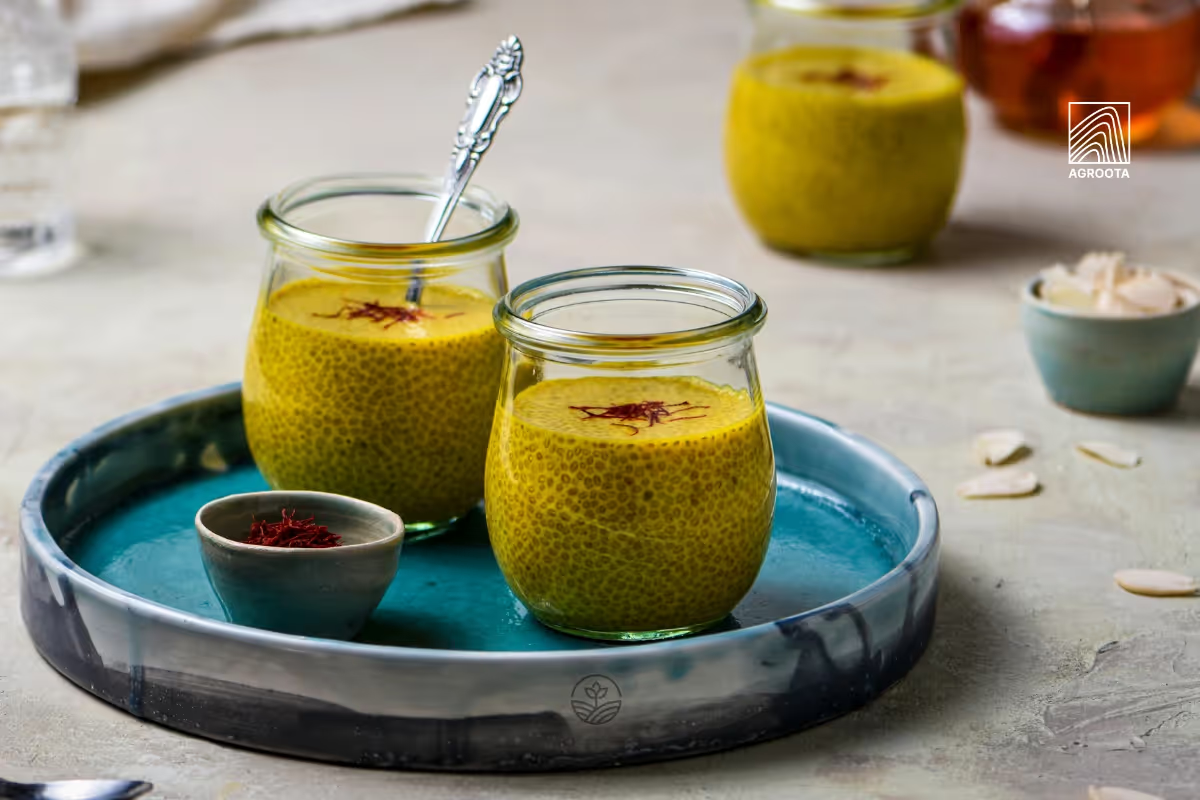
In tea, saffron’s floral and honey-like qualities become more noticeable.
Because tea is usually lighter than rice, stew, or sauce, saffron has fewer heavy flavors to compete with. When saffron is steeped in warm water, the result is aromatic, golden, delicate, and slightly earthy. The bitterness may also become more visible, especially if too much saffron is used or if the water is too hot for too long.
Good saffron tea should taste refined and fragrant, not sharp or artificial. It should have a gentle golden aroma and a clean finish.
For a better result, saffron is usually bloomed or steeped before use. Blooming helps release its color, aroma, and flavor more evenly. The Codex saffron standard also treats saffron quality through characteristic odour, flavour, and colour, while requiring the product to be free from foreign odour, flavour, colour, rancidity, and mustiness.
Why Saffron Taste Is Difficult to Describe
saffron flavor is difficult to describe because much of the experience comes from aroma.
Many people think taste happens only on the tongue. But saffron is heavily aromatic. Its smell shapes how the flavor is perceived. This is why the same saffron may seem floral in tea, earthy in rice, and warmer in a milk dessert.
The final taste also depends on:
- saffron grade
- origin and harvest conditions
- drying method
- storage quality
- age of the saffron
- whether it is used as whole threads or powder
- whether it is bloomed before cooking
- the food or drink it is added to
This is one reason serious buyers do not judge saffron by appearance alone. Red color is important, but aroma and taste are just as important for quality evaluation. The saffron smell should be clean, recognizable, and natural, because aroma is one of the strongest signs of freshness and quality.
Does Saffron Taste Different by Grade?
Yes, saffron taste can vary by grade, but grade is not the only factor.
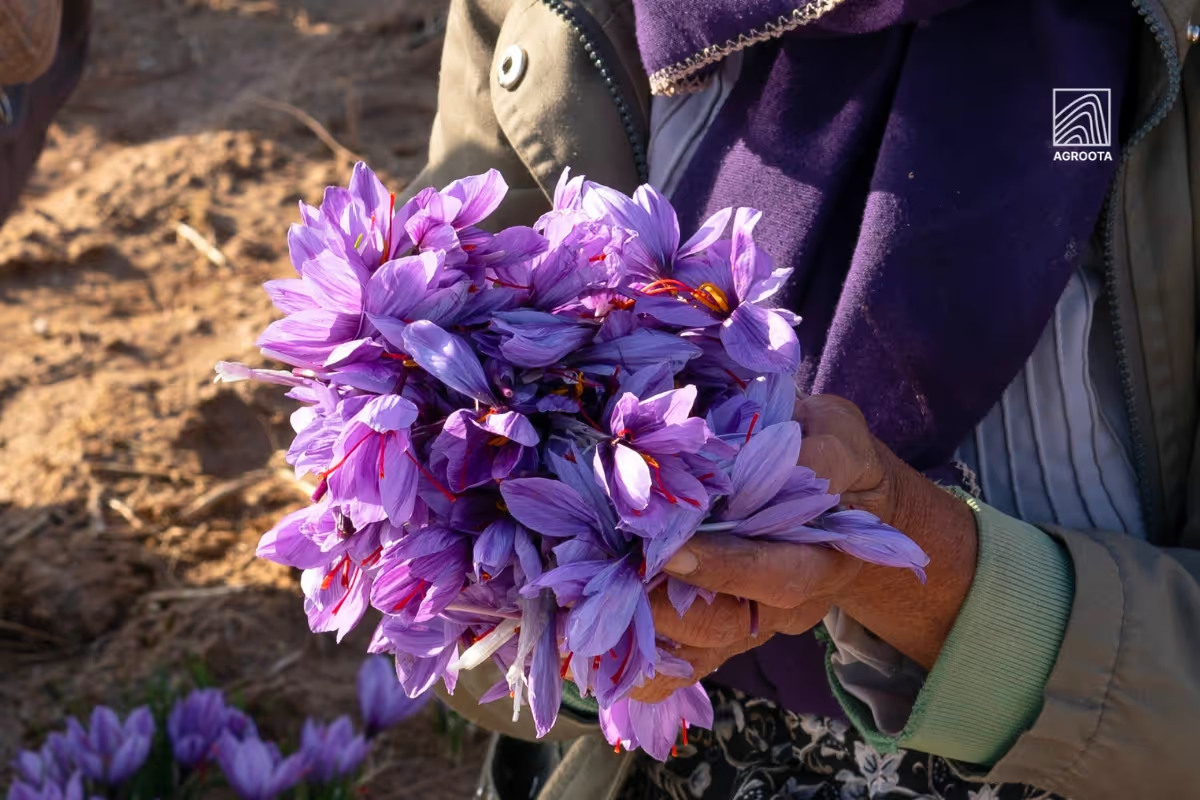
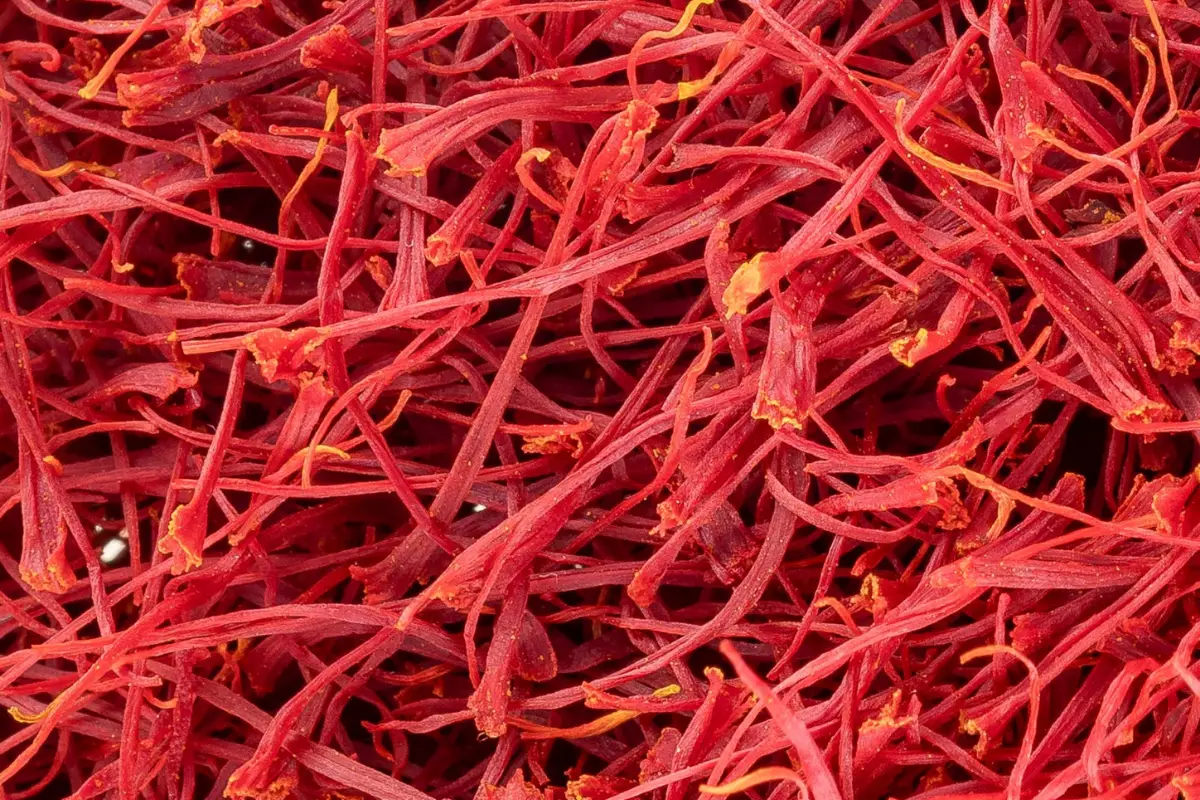
Higher-grade saffron generally contains more red stigma and less yellow or pale style. This usually gives stronger color, cleaner presentation, and better commercial value. For example, premium red-thread grades such as super negin saffron are often selected when buyers want strong appearance, good coloring power, and a more premium product presentation.
However, taste is not only about the name of the grade. Drying, storage, freshness, and supplier consistency also matter. A poorly stored high-grade saffron can lose aroma. A clean, well-handled saffron from a reliable source may perform better than a better-looking product that has been stored badly.
For professional buyers, the best approach is to evaluate grade, aroma, color strength, cleanliness, and batch consistency together. This is especially important for businesses comparing grades of saffron for retail, wholesale, foodservice, gifting, or manufacturing.
What Has a Similar Taste to Saffron?
There is no perfect substitute for saffron.
Some ingredients can copy part of saffron’s effect, but not the full experience. Turmeric can provide yellow color, but it does not taste like saffron. Safflower may look similar in some markets, but it does not carry saffron’s aroma or depth. Annatto can also add color, but it does not replace saffron’s floral-earthy character.
This is why saffron is difficult to replace in premium recipes. Its value is not only color. It is the combination of color, aroma, slight bitterness, and cultural association.
For low-cost products, substitutes may be acceptable if the goal is color only. But for premium food, tea, gifting, hospitality, or retail products, real saffron is difficult to imitate.
How to Get the Best Taste from Saffron
To get the best saffron taste, do not add dry threads directly into a dish and expect the full result immediately.
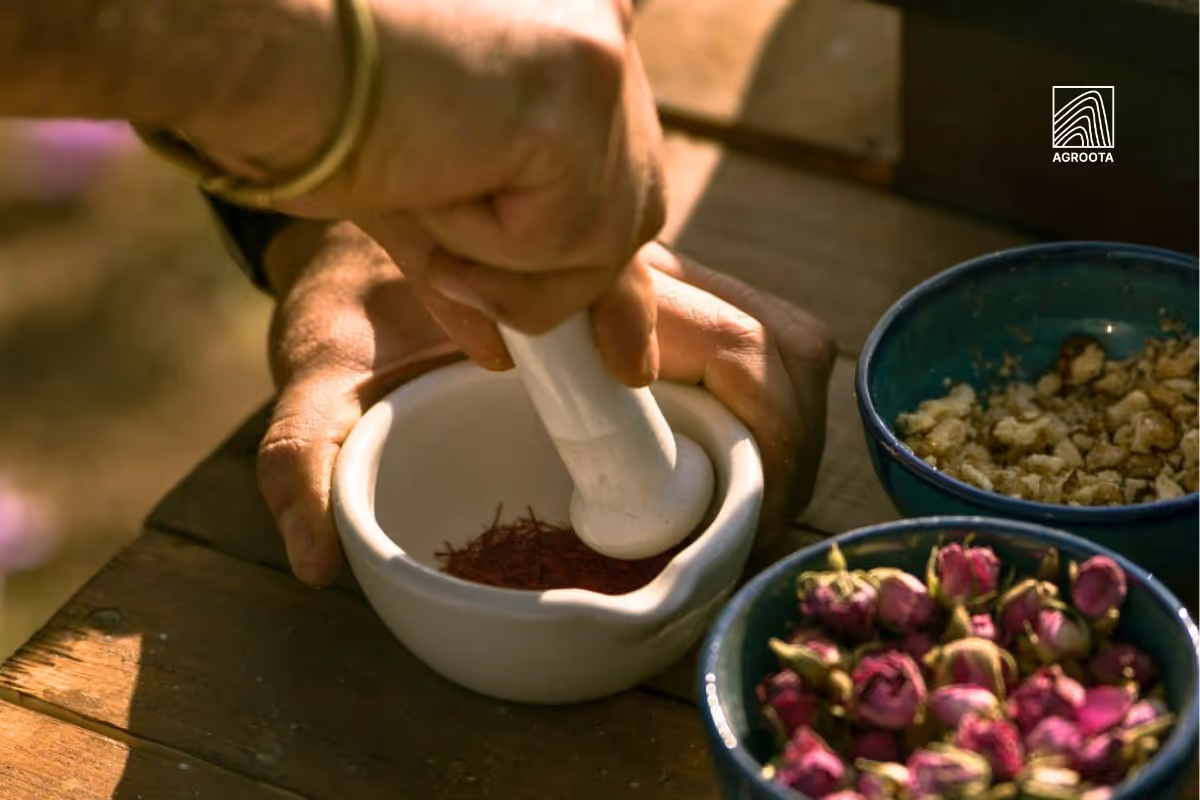
The better method is to bloom saffron first. This means steeping the threads in a small amount of warm water, milk, broth, or another suitable liquid before adding them to the final dish. Blooming helps release color and aroma more evenly.
A simple method:
- Take a small pinch of saffron threads.
- Gently crush them with clean fingers or a mortar and pestle.
- Add a small amount of warm liquid.
- Let it steep for 10–20 minutes.
- Add the infused liquid to the dish or drink.
Avoid boiling saffron aggressively for long periods. High heat and poor handling can reduce the delicacy of the aroma. Like many herbs and spices, saffron should also be stored away from heat, air, and direct light to help preserve flavor. University of Vermont Extension gives similar storage guidance, recommending airtight storage away from sunlight and heat.
What Bad Saffron Tastes Like
Bad saffron often tastes weak, stale, dusty, musty, overly bitter, or artificial.
Warning signs include:
- little or no aroma
- harsh bitterness
- strange chemical smell
- bright color but weak flavor
- dusty or old taste
- musty or rancid notes
- powder with unclear origin
Powdered saffron is not always bad, but it is harder to evaluate visually. Whole saffron threads are usually easier to inspect because buyers can see thread shape, color, style content, and possible foreign matter.
For commercial buying, this matters. If the saffron taste is weak or inconsistent, the final product may also become inconsistent. That can affect customer trust, repeat purchases, and brand positioning.
Why Saffron Flavor Matters for Buyers
For home users, saffron taste is about cooking enjoyment. For business buyers, it is about product performance.
Retailers need saffron that customers can smell and recognize. Food brands need consistency from batch to batch. Tea and beverage companies need saffron that performs well in infusion. Hospitality buyers need saffron that gives a premium experience without requiring excessive quantity. Wholesalers need reliable grading and supply clarity.
This is why saffron taste should not be treated as a small detail. It directly affects perceived quality.
A buyer looking only at saffron price may choose the cheapest product and later discover that the flavor is weak, the aroma fades quickly, or the batch is inconsistent. A better buyer evaluates price together with grade, origin, quality, aroma, taste, and supplier reliability.
Price expectations can also change by market. For example, buyers comparing Saffron price India may focus on retail pack sizes, local demand, and import quality, while businesses comparing prices in other markets may need to consider logistics, grade, and consistency as well.
Where Can You Buy Saffron?
Where you buy saffron depends on your purpose.
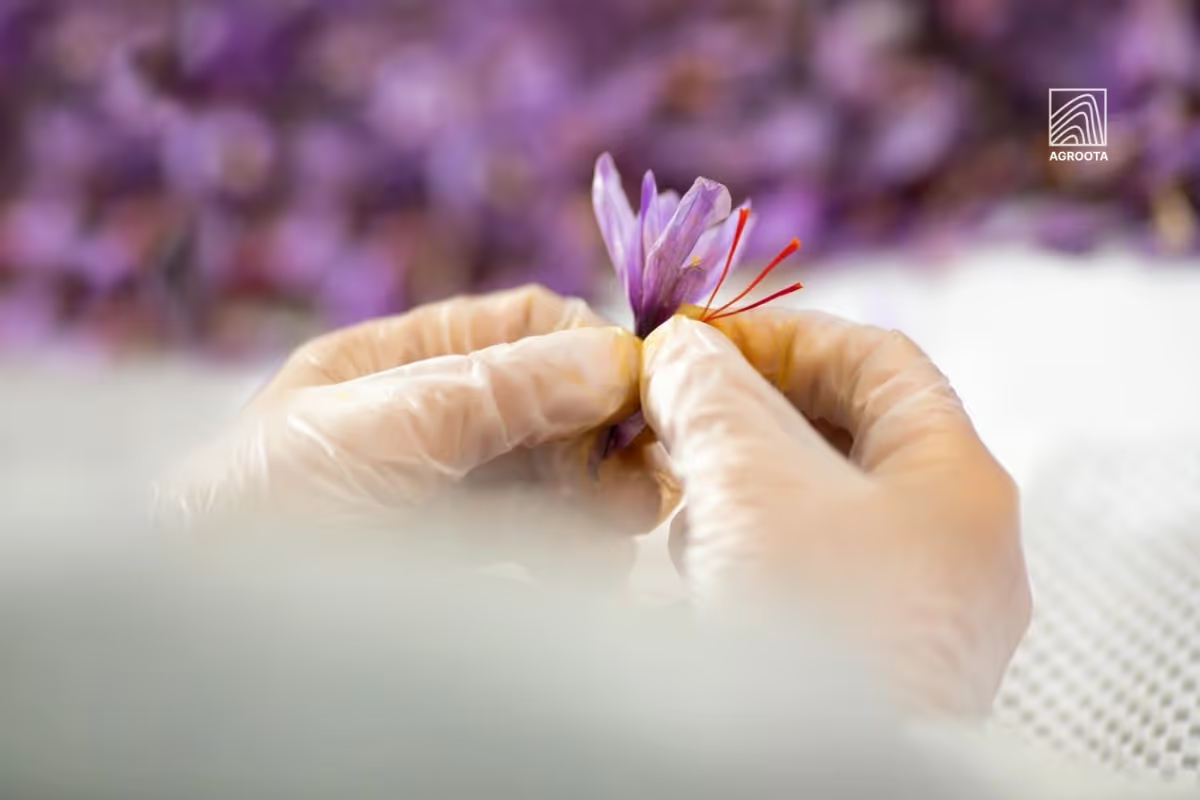
Home users may buy saffron from trusted specialty shops, gourmet stores, or reliable online sellers. But businesses need more than a small retail jar. They need sourcing transparency, grade options, batch consistency, and commercial guidance.
If you are looking for saffron for sale for business use, the right supplier should help you choose the right grade for your product, market, and price point.
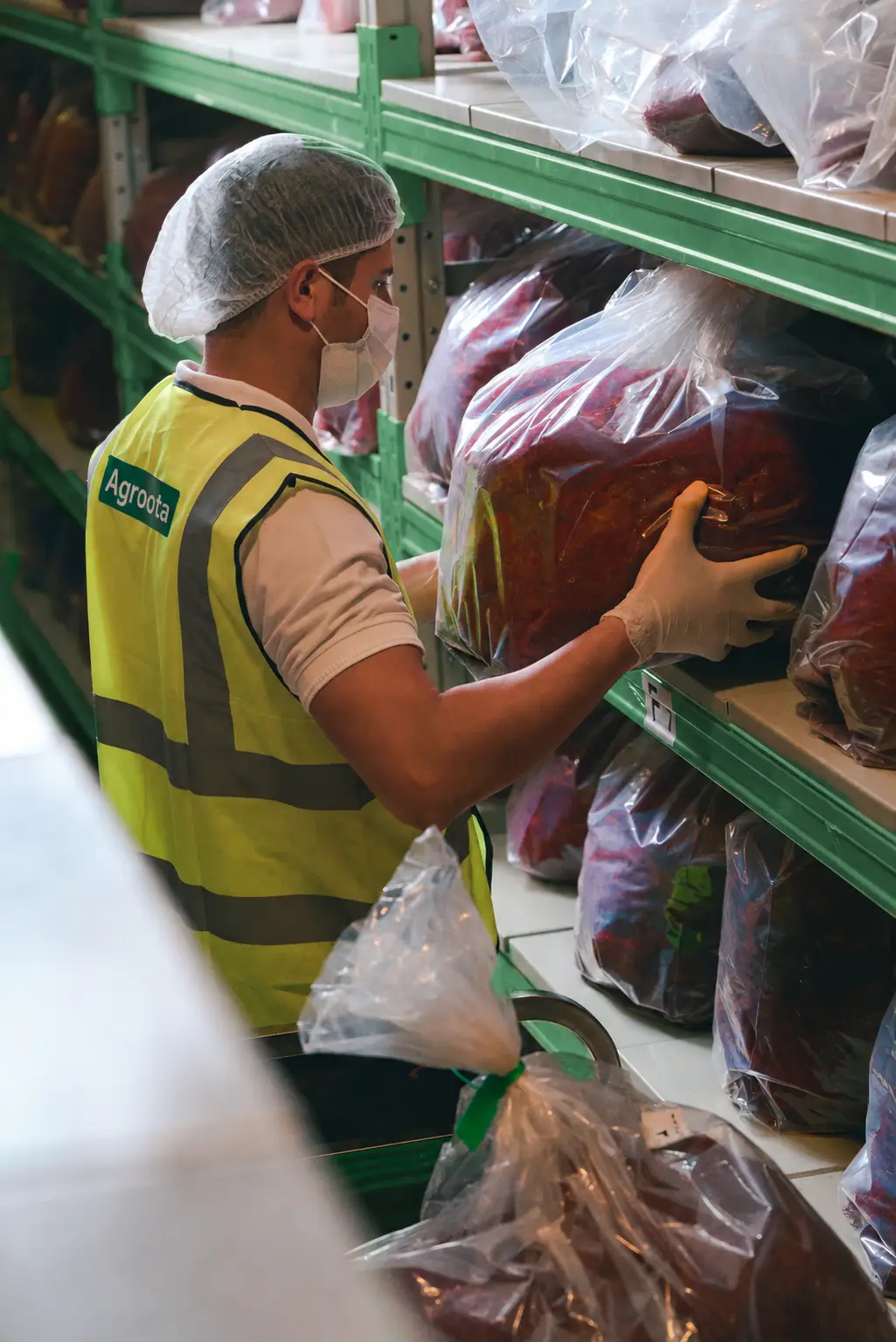
At Agroota, we support buyers who need saffron for wholesale, retail, food production, gifting, hospitality, and export. Our role is not only to supply saffron, but to help buyers understand how grade, taste, aroma, color strength, and sourcing affect the final commercial outcome.
For companies that need wholesale saffron, consistency is especially important. A reliable supplier should be able to support repeat orders, clear grading, proper packaging, and guidance based on the buyer’s market and intended use.
International buyers may also compare Saffron price USA when planning retail, wholesale, or foodservice purchases. In that case, the final price often depends on saffron grade, packaging format, order volume, origin, and supplier reliability.
Taste is one of the most practical ways to understand quality. It shows whether saffron is simply colorful, or genuinely valuable.
Final Thoughts
Saffron tastes floral, earthy, warm, slightly sweet, and slightly bitter. Its flavor is subtle but distinctive, and much of its beauty comes from aroma. In tea, it feels more floral and delicate. In rice and food, it becomes warmer, deeper, and more integrated.
Good saffron should not taste artificial, stale, or flat. It should have a clean aroma, a natural golden release, and a refined flavor that lingers without overpowering the dish.
For serious buyers, saffron taste is not just a sensory detail. It is a quality signal. The better the sourcing, handling, drying, storage, and supplier consistency, the more reliable the saffron experience becomes.
FAQs About Saffron Taste
What does saffron taste like?
Saffron tastes floral, earthy, slightly sweet, warm, and mildly bitter. Its flavor is delicate but distinctive, with a strong aromatic character.
Is saffron sweet or bitter?
Saffron has both a subtle honey-like sweetness and a mild bitterness. Good saffron should taste balanced, not harsh.
Does saffron taste like honey?
Not exactly. Saffron can have honey-like floral notes, but it also has earthy, hay-like, and slightly bitter qualities.
Why does saffron taste bitter?
Saffron’s bitterness is mainly associated with picrocrocin, one of the key compounds linked to saffron’s sensory profile.
What does saffron taste like in tea?
In tea, saffron tastes more floral, aromatic, and delicate. Its honey-like and earthy notes become easier to notice.
Can you use too much saffron?
Yes. Too much saffron can make food or tea taste bitter, medicinal, or overpowering.
What has a similar taste to saffron?
There is no exact substitute. Turmeric, safflower, and annatto may copy some of saffron’s color, but they do not reproduce its aroma and flavor.
Looking to Source Saffron in Bulk?
Compare saffron types, review available batches, and source wholesale saffron for your business based on current supply availability.
Need Current Bulk Saffron Pricing?
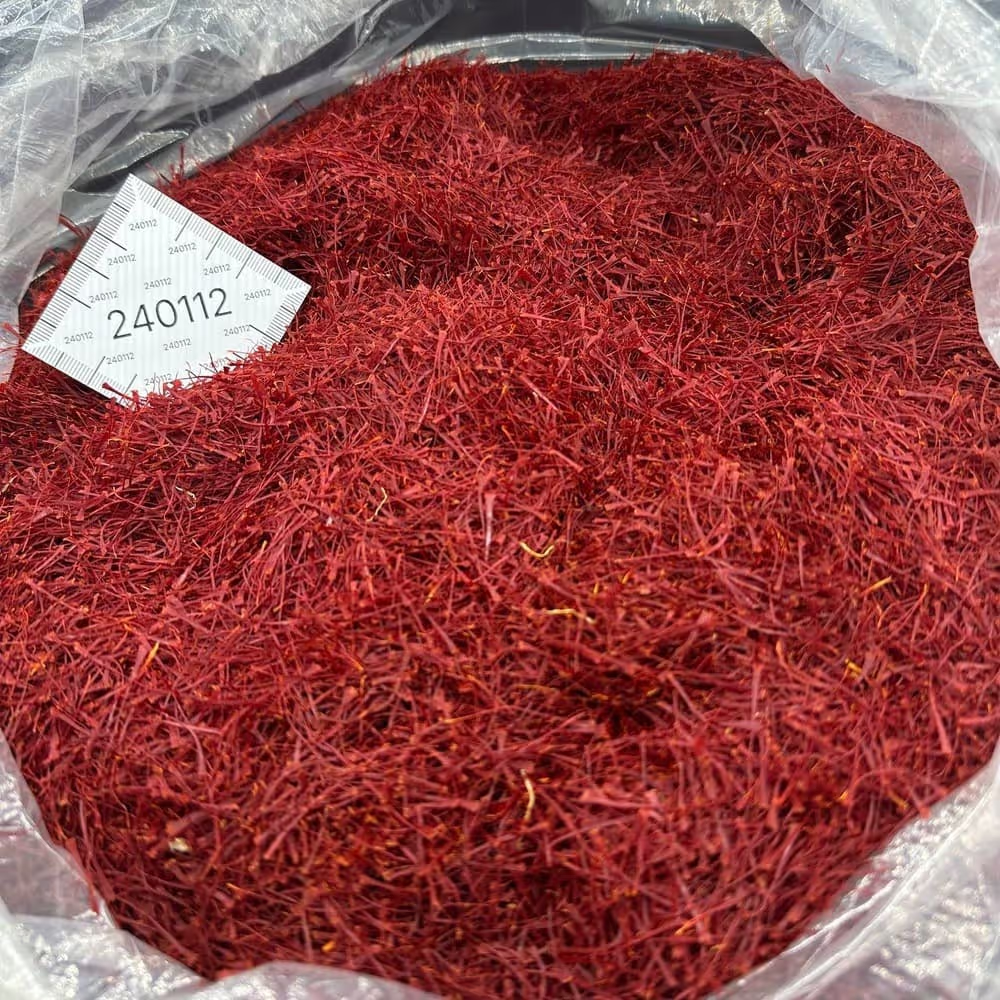
View indicative wholesale saffron price ranges by type, or learn how Agroota helps businesses source saffron in bulk.


.svg)

.webp)


