Saffron is one of the world’s most valuable agricultural products, yet it is still one of the most misunderstood. Many people know saffron for its bright golden color and premium price, but far fewer understand what saffron actually is, where it comes from, how it is grown and harvested, how the grades differ, and why sourcing matters so much in trade. For home users, saffron may simply be a luxury ingredient. For importers, wholesalers, food brands, retailers, and hospitality buyers, it is a source-sensitive product whose value depends on grade, purity, consistency, and supplier reliability.
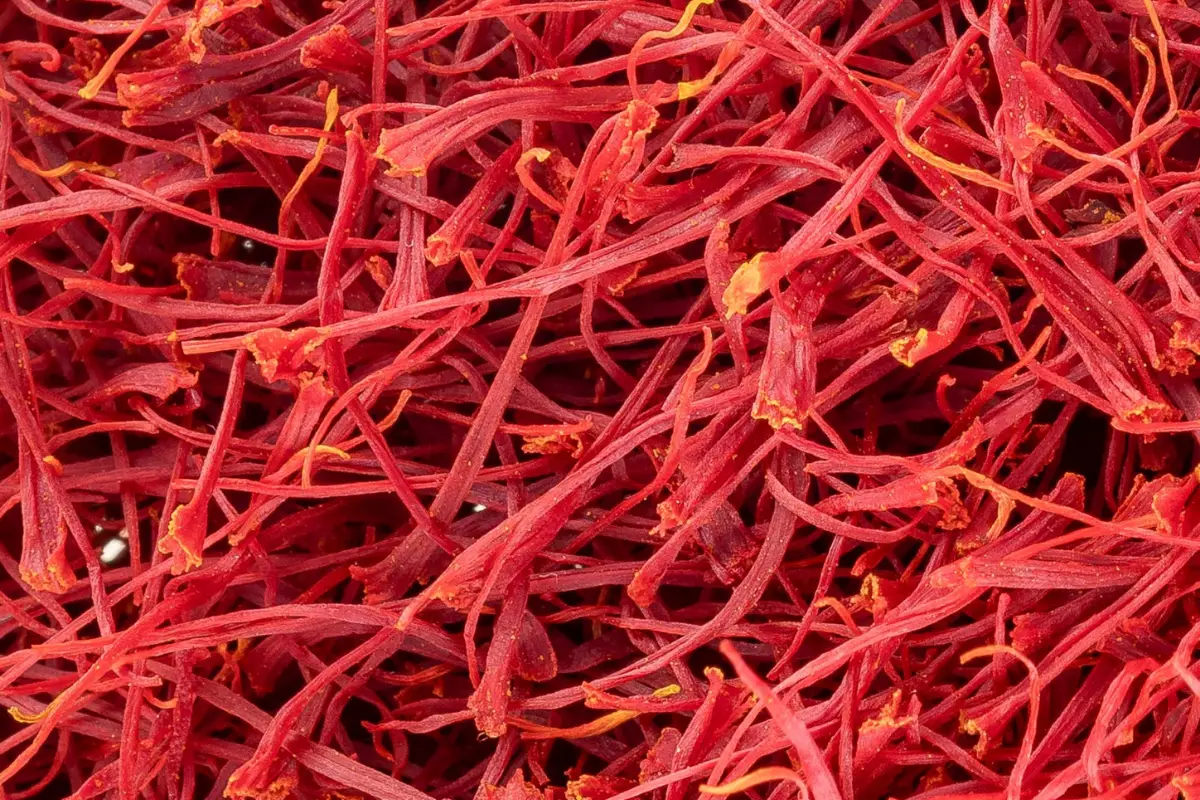
In simple terms, saffron is the dried red stigma of the Crocus sativus flower. These delicate threads are harvested by hand, carefully separated, then dried and prepared for use in food, beverage, gifting, hospitality, and specialty retail. Because each flower yields only a very small amount of usable saffron, the product is rare, labor-intensive, and highly dependent on precision at every stage. That is one reason saffron is often described as the most expensive spice.
This guide explains what saffron is, what kesar means, where saffron comes from, how saffron is grown and harvested, why saffron is expensive, what saffron is used for, how the grades of saffron work, how saffron quality is evaluated, and what buyers should look for before purchasing. It is written to help both curious readers and serious commercial buyers make better decisions.
What Is Saffron?
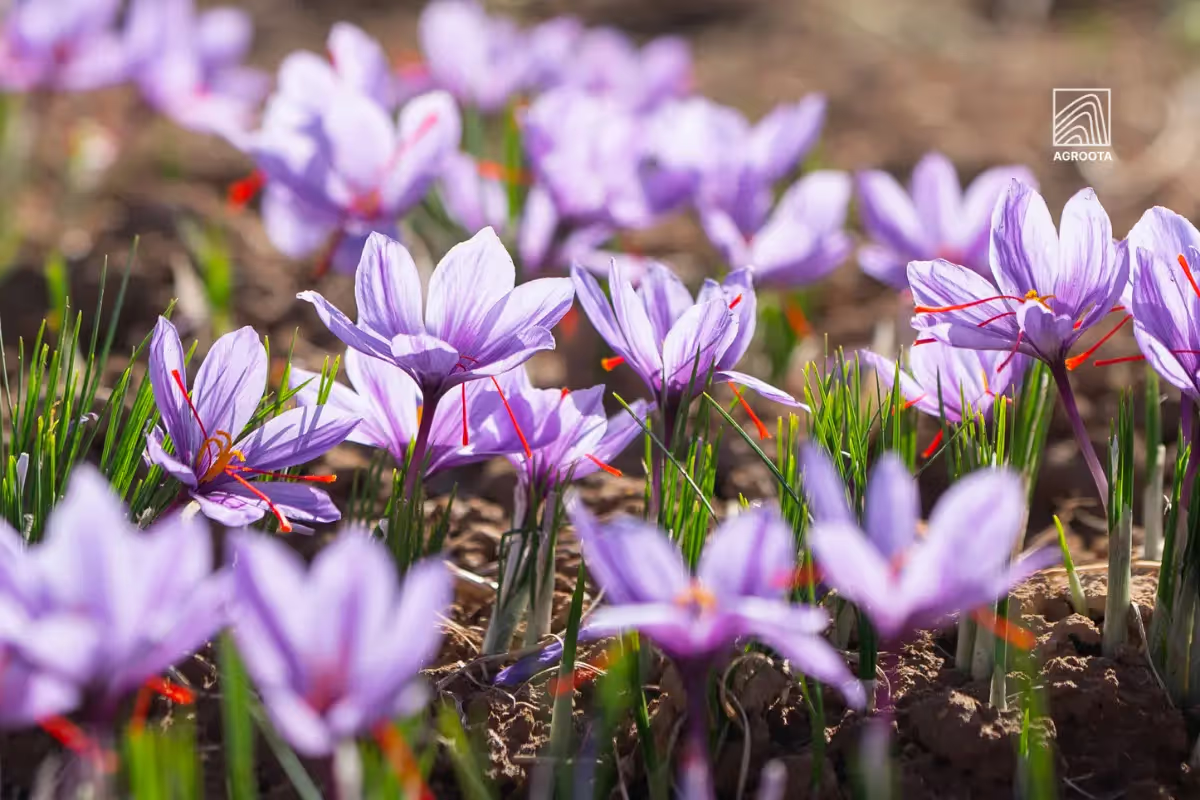
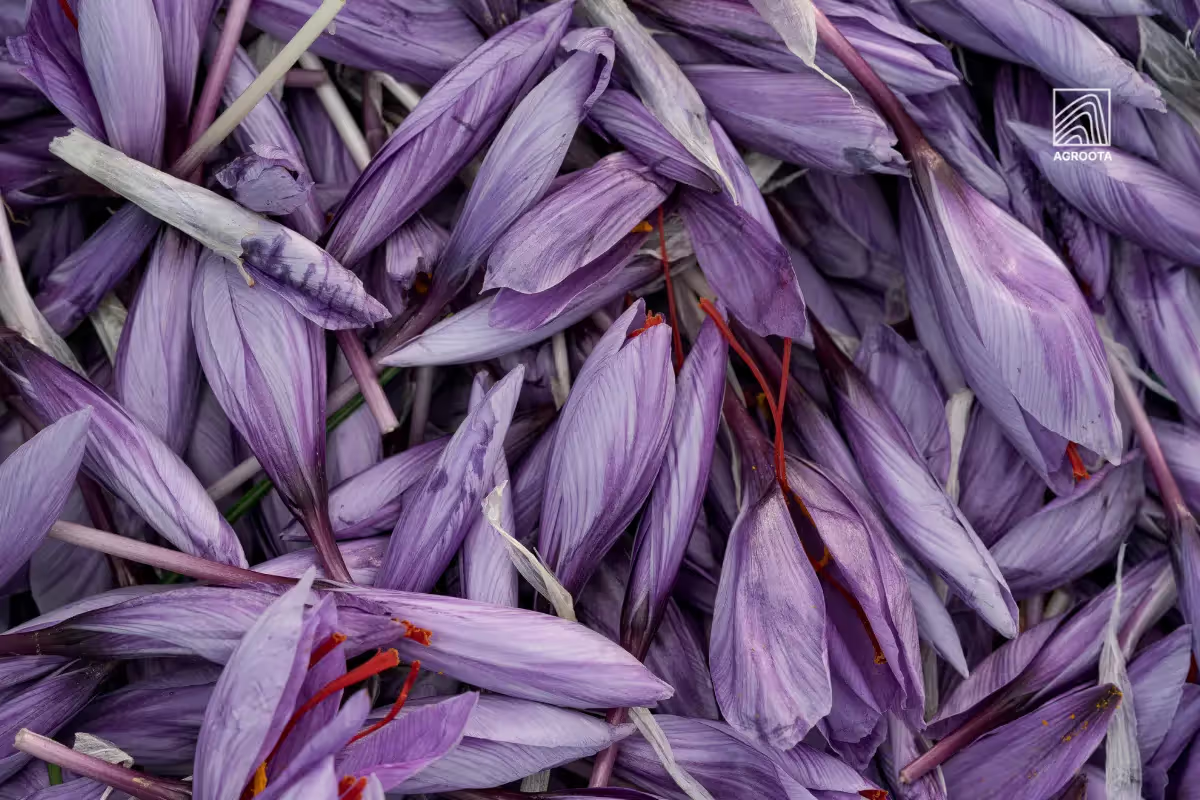
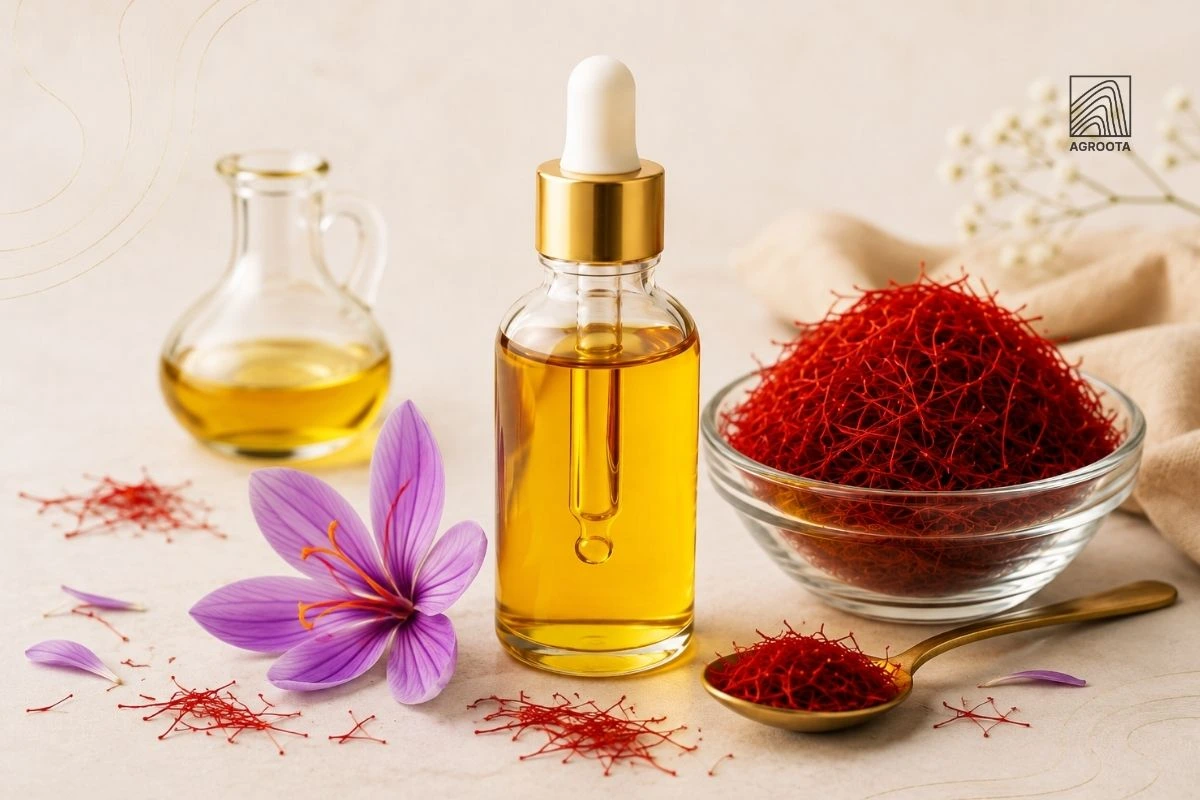
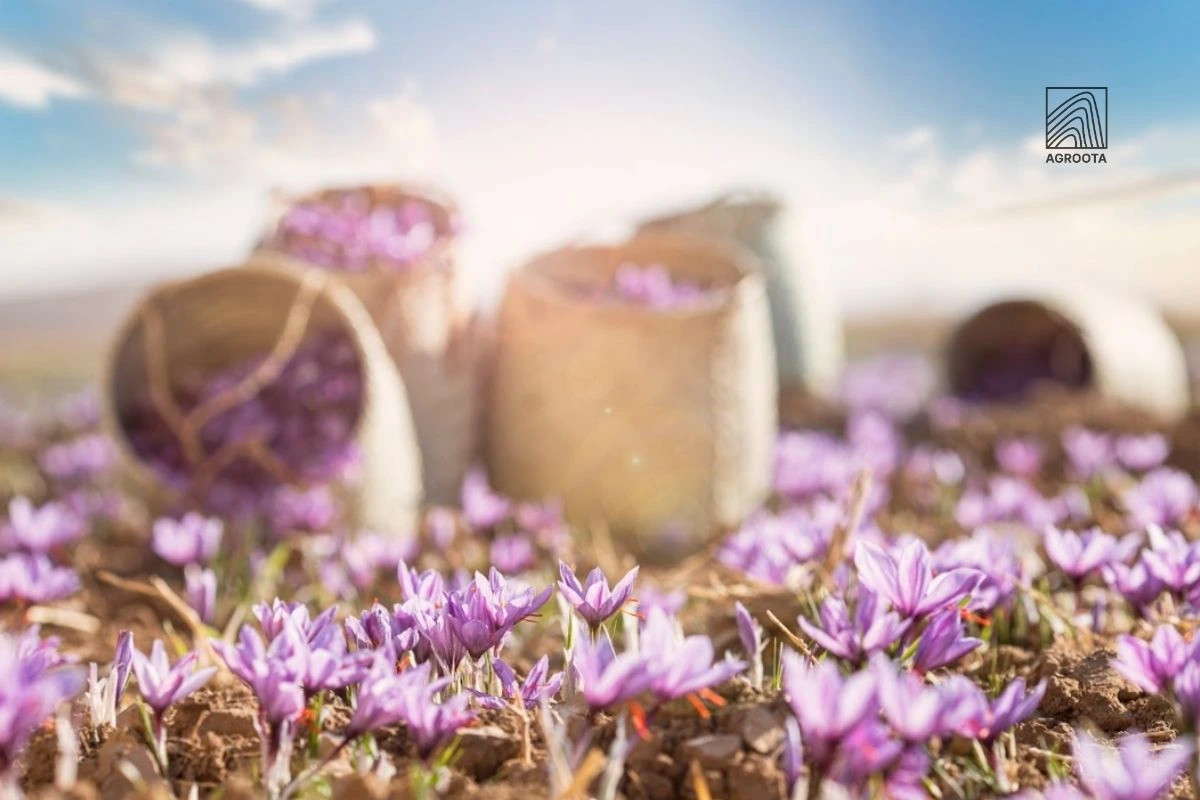
Saffron is the dried stigma of the saffron crocus flower, known scientifically as Crocus sativus. Each purple flower produces a small number of delicate red stigmas, which are harvested by hand, carefully separated, and dried to become the saffron threads sold across retail, foodservice, and wholesale markets. This highly labor-intensive process is one of the main reasons saffron is so valuable, with approximately 75,000 blossoms needed to produce just one pound(0.45 kg) of saffron. This is the clearest answer to the question “what is saffron?”
Saffron is valued for three main qualities: its rich golden coloring power, its distinctive aroma, and its refined, slightly floral flavor. Unlike many spices, it is used in very small quantities, yet it can significantly influence the character of a dish or product. In many markets, saffron is also associated with rarity, craftsmanship, and premium positioning.
From a sourcing point of view, saffron is highly sensitive. Small differences in harvest timing, stigma selection, drying method, and storage conditions can affect the final result. That is why serious buyers evaluate saffron not only by appearance, but also by aroma, cleanliness, thread structure, grade, and lot consistency.
What Does Saffron Taste and Smell Like?
Saffron is often described as refined, slightly floral, and distinctive. Its flavor is not loud in the way many spices are. Instead, saffron adds depth, warmth, and a subtle complexity that can change the character of a dish even when used in small quantities. This is why so many buyers search for saffron taste before deciding what grade or format they need.
The saffron smell should be rich, fresh, and recognizable rather than dull or artificial. Aroma is one of the practical ways buyers assess quality. Good saffron should not feel flat. If the aroma is weak or strange, it often deserves closer inspection.
What Is Kesar?
Kesar is a common market term for saffron in India and many South Asian markets. In most commercial contexts, both terms refer to the dried stigmas of Crocus sativus. For retailers and bulk buyers, recognizing both terms helps when reviewing supplier offers, comparing product listings, and communicating across regional markets.
What Is Saffron Called Around the World?
Global businesses should also understand what is saffron called around the world.
The product is known by different names depending on the market and language. Common variations include:
- Saffron in English
- Kesar in Indian usage
- Zaafaran / Zafran in Arabic and Persian-root language environments
- Azafrán in Spanish
- Safran in French and German
- Zafferano in Italian
This matters for international SEO and for customer trust. A buyer from the Gulf, India, Europe, or North Africa may already know saffron well, but use a different term when searching online. Strong content should reflect that reality naturally without becoming repetitive.
Where Does Saffron Come From?
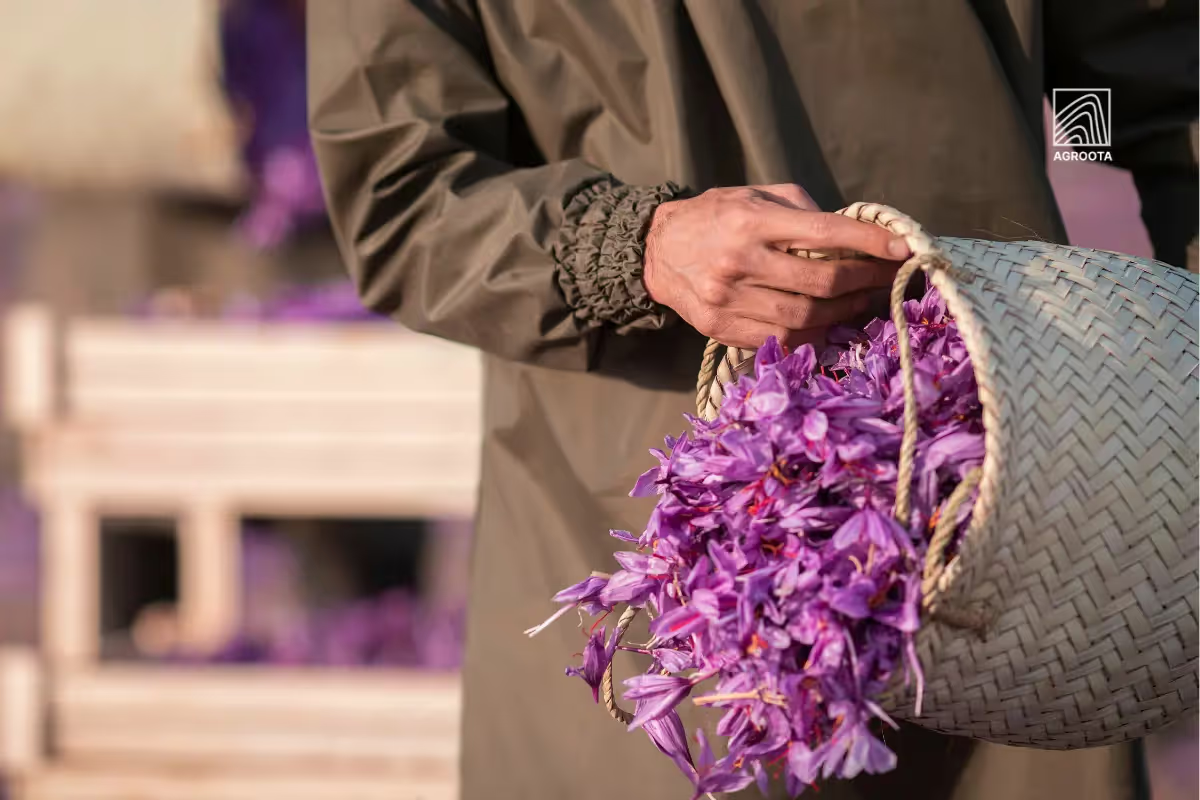
Another major question is where saffron is from. Saffron has a long agricultural and trade history across parts of Asia and the Mediterranean. Today, it is strongly associated with countries such as Iran, India, Afghanistan, Spain, Greece, Morocco, and Italy. Among these, Iran is widely recognized as the leading saffron-producing country in the modern market.
So, where does saffron come from in the physical sense? It comes from the cultivated saffron crocus flower grown in suitable climates with dry summers, cool winters, and specific soil and water conditions. The plant is usually propagated through corms rather than seeds, and the flower blooms only for a short period.
For buyers, origin matters because it often influences:
- color strength
- aroma profile
- thread appearance
- market reputation
- buyer expectation
- price range
Iranian saffron is especially known in the global market for its strong color, vivid red threads, and commercial scale. Kashmiri saffron is known for its strong aroma and premium perception. Spanish saffron is also well recognized, especially in culinary markets and European retail.
However, origin alone is not enough. Two products from the same country can be very different in quality depending on farm practices, flower handling, drying, storage, and grading.
How Saffron Is Grown and Harvested
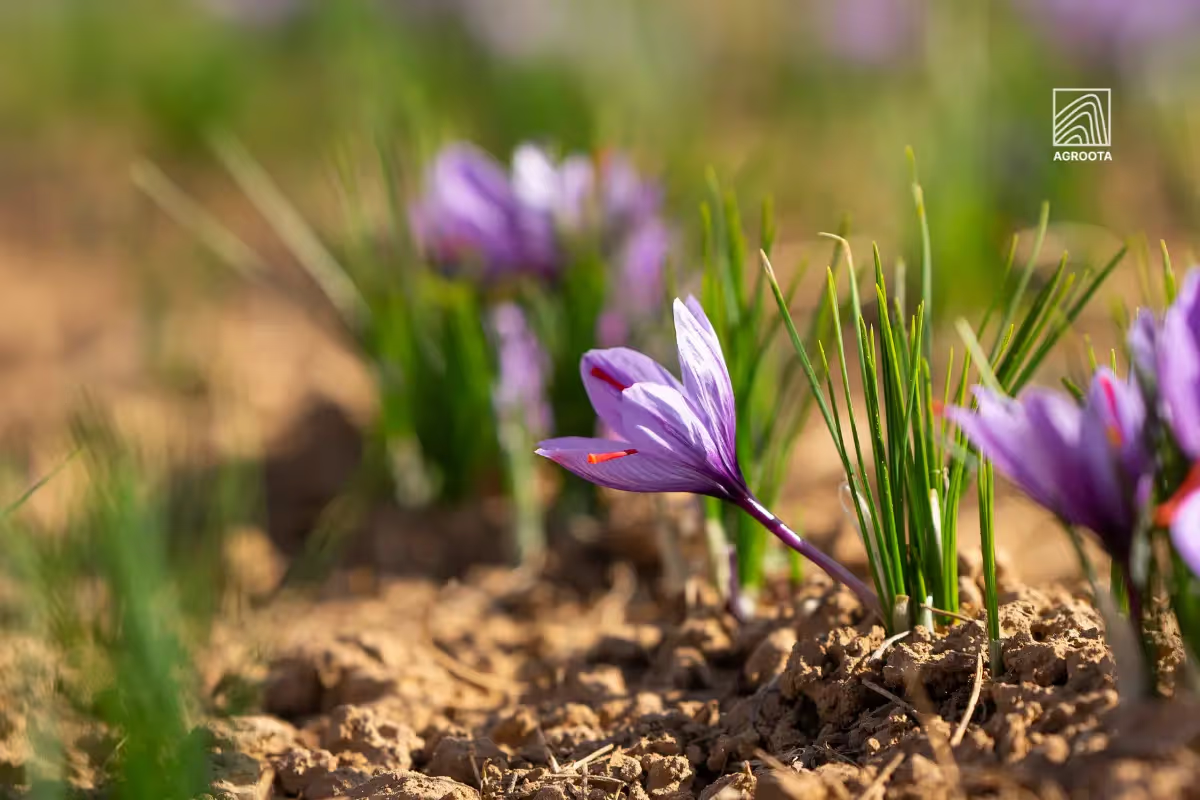
Saffron, a perennial plant of the Iridaceae family, is grown from corms, not seeds. In fact, Crocus sativus is a sterile plant and must be propagated vegetatively through its corms. Growers usually plant saffron corms in late summer, often in August or early September, in well-drained soil where excess moisture is avoided.
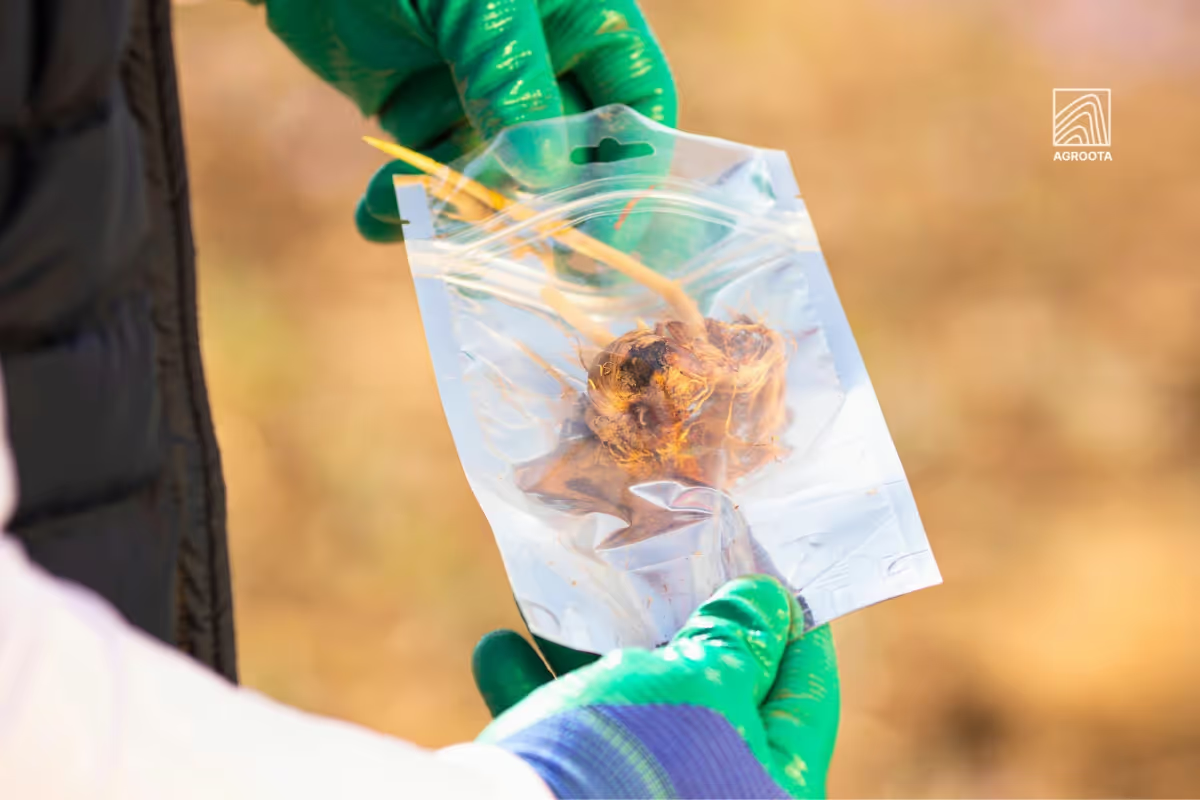
The crop follows a distinct production rhythm that includes summer dormancy, autumn sprouting and flowering, winter vegetative growth, and spring corm development. Flowers generally appear in the fall, and each corm can produce several flowers under suitable conditions. Successful saffron farming depends less on large-scale machinery and more on field selection, healthy corms, drainage, timing, and careful postharvest handling.
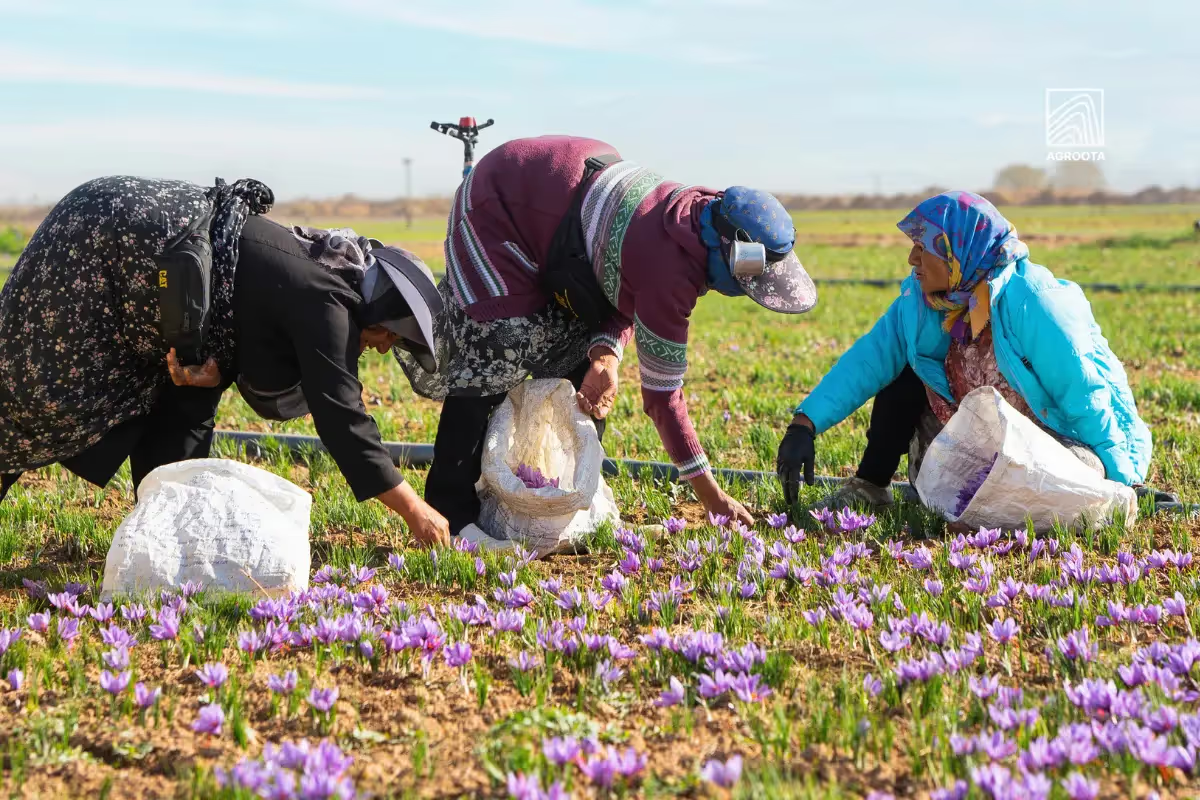
Harvesting saffron is delicate and highly manual. Saffron is harvested during a short flowering window in autumn, often from October to November, depending on climate and field conditions. Flowers are typically picked by hand during the morning on dry days, and then the red stigmas are carefully separated from the flower. After separation, the stigmas are dried to preserve their color, aroma, and quality. Poor handling during harvest or drying can reduce the final commercial value significantly.
For buyers, this matters because saffron quality begins long before packaging. Harvest discipline, flower freshness, stigma separation, and drying method all influence the final grade, consistency, and market suitability of the saffron being sold.
Why Is Saffron So Expensive?
One of the most common questions about saffron is why it costs so much. The answer is simple: saffron is expensive because its production is both delicate and labor-intensive. Its value is tied to real agricultural effort, not only branding.
The main reasons include:
- Each flower yields only a few usable stigmas
- Harvesting is done by hand
- The harvest window is short
- Separation and drying require care
- Higher grades require more selective handling
- Purity and consistency must be protected throughout the process
Saffron is light in weight but highly labor-intensive. Unlike many agricultural products, it does not scale cheaply without affecting quality. Much of its value depends on careful harvesting, separation, and drying, all of which require human precision.
That is why saffron price in the United States often varies by grade and quality. For this reason, buyers should be cautious about evaluating offers on price alone. A very low price may reflect mixed material, lower-quality threads, poor drying practices, excessive yellow content, or inconsistent grading.
How Saffron Quality Is Evaluated
In professional buying, saffron is not judged by photos alone. Quality is usually evaluated based on several practical factors: redness of the threads, stigma-to-style ratio, aroma, dryness, cleanliness, color strength, absence of foreign matter, and batch consistency.
Red thread content is often one of the first things buyers notice. A higher proportion of red stigma generally indicates a cleaner and more commercially desirable grade. Aroma also matters. Good saffron should smell rich and fresh rather than dull. Dryness matters because poor moisture control can affect stability and perceived quality. Cleanliness and absence of foreign matter are fundamental in serious trade relationships.
Consistency may be the most underrated factor. One attractive sample is not enough if later lots vary in structure, strength, or cleanliness. This is why supplier quality matters as much as product quality.
How to Identify Good Saffron
In professional buying, saffron should not be judged by photographs alone. According to recognized saffron standards, quality is assessed through characteristic colour, flavour, and odour, together with relevant chemical and physical characteristics and the absence of foreign matter or adulteration. ISO 3632 is the key reference for the test methods used to assess colouring strength, taste strength, and aroma strength, while the Codex saffron standard also requires the product to have characteristic odour, flavour, and colour and to be free from foreign odour, flavour, colour, and foreign matter.
Look for strong red stigma content
A higher proportion of red stigma is generally associated with a cleaner and more commercially desirable presentation, while higher style content may indicate a different grade category or lower-value presentation depending on the product type. In trade practice, thread composition matters because saffron may be sold in different forms and classes, and grading is closely tied to physical presentation.
Check the aroma
Good saffron should have a characteristic aroma and should be free from foreign odours, especially mustiness or rancidity. This is directly aligned with the Codex saffron standard, which requires characteristic odour and freedom from unwanted sensory defects.
Be cautious with unusually low prices
Be cautious with unusually low prices. Price alone does not determine quality, and saffron price can vary widely by grade, purity, and origin. Unusually low prices may justify closer inspection for adulteration, weak grade, added matter, or lower-value material. ISO notes that saffron is considered pure when it complies with ISO 3632 requirements and when no external matter has been added to the natural product.
Before choosing a supplier, visit our saffron price in India page to compare how grade, purity, origin, packaging, and order volume affect real market value beyond the lowest price.
Prefer whole threads when evaluating quality
Whole saffron threads are generally easier to assess visually than powdered saffron, since buyers can better observe colour, structure, and the proportion of stigma to style. Codex also distinguishes saffron in filament, cut filament, and powder forms, which reflects the importance of product form in commercial evaluation.
Ask about origin, grade, and handling
A professional supplier should be able to explain the saffron’s form, grade, origin, and handling conditions clearly. Standards allow sensory characteristics to vary depending on geo-climatic conditions, which is one reason origin and post-harvest handling remain important in practical procurement.
Evaluate supplier consistency over time
This final point is more of a procurement principle than a formal ISO or Codex criterion. Standards can help verify purity and specification, but for serious buyers, supplier consistency across orders is equally important. One attractive sample is not enough if later deliveries vary in colour, aroma, cleanliness, or grade integrity. That is why supplier reliability should be evaluated alongside the product itself.
Why Sourcing Matters in Saffron Trade
In saffron, supplier quality is closely tied to source quality. Businesses that stay close to growers can better understand how the crop was grown, when the flowers were harvested, how the stigmas were separated, whether drying was handled properly, and whether lots remain consistent over time.
That matters because saffron quality begins at origin, not at the packaging stage. Direct relationships can reduce risk, improve transparency, and support more reliable communication with buyers. For wholesalers, retailers, food brands, and importers, sourcing knowledge is often one of the biggest drivers of long-term consistency.
What Buyers Should Look for When Buying Saffron
When businesses buy saffron, they should look beyond simple availability. A serious supplier should provide:
- clear grade options
- transparent sourcing
- batch consistency
- quality-oriented guidance
- dependable communication
- a supply relationship that can be trusted over time
Where Can You Buy Saffron?
Where you can buy saffron depends on what kind of buyer you are. Home users may buy saffron from specialty shops, gourmet retailers, or trusted online stores. But for wholesalers, food businesses, retailers, and importers, the right supplier usually offers much more than product availability. Business buyers need sourcing transparency, suitable grade options, commercial communication, and consistency over time.
For serious B2B buyers, where to buy saffron is really a question of how to find a reliable supplier that can deliver the right grade, the right quality, and the right level of consistency.
Why Businesses Work With Agroota
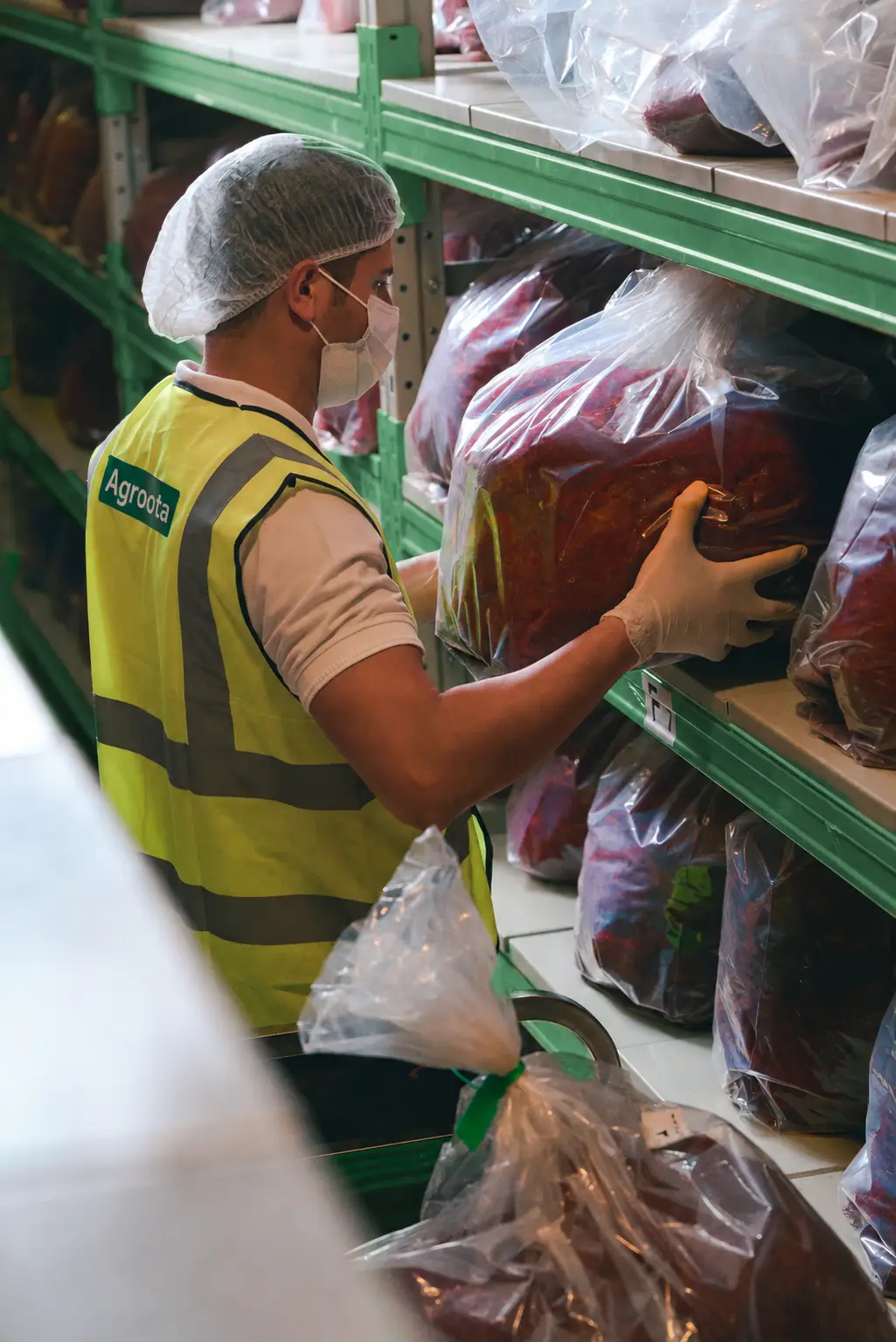
At Agroota, we work directly with certified and trustworthy farmers and bring real sourcing experience into the saffron buying process. Our role is not limited to supplying saffron; we help buyers understand grade differences, assess quality more accurately, and select the saffron that best fits their market, product, and commercial priorities.
Whether a business requires saffron for wholesale, retail, export, gifting, or food production, source knowledge plays a critical role in reducing risk and improving consistency. In a category as sensitive as saffron, clarity matters, but sourcing experience matters even more.
This is where the right saffron partner creates meaningful commercial value. At Agroota, we support clients with strategic grade selection based on application, market positioning, and budget priorities, helping them achieve the right balance between presentation, performance, and cost. We also understand that dependable supply is essential to business continuity, which is why consistency, availability, and reliable fulfillment are central to our sourcing approach. Our wholesale pricing model is designed to be both transparent and competitive, built on fairness, clarity, and long-term relationship value. Above all, we take a partnership-driven approach, working closely with clients to support better decisions around grade, quality, and end use over time.
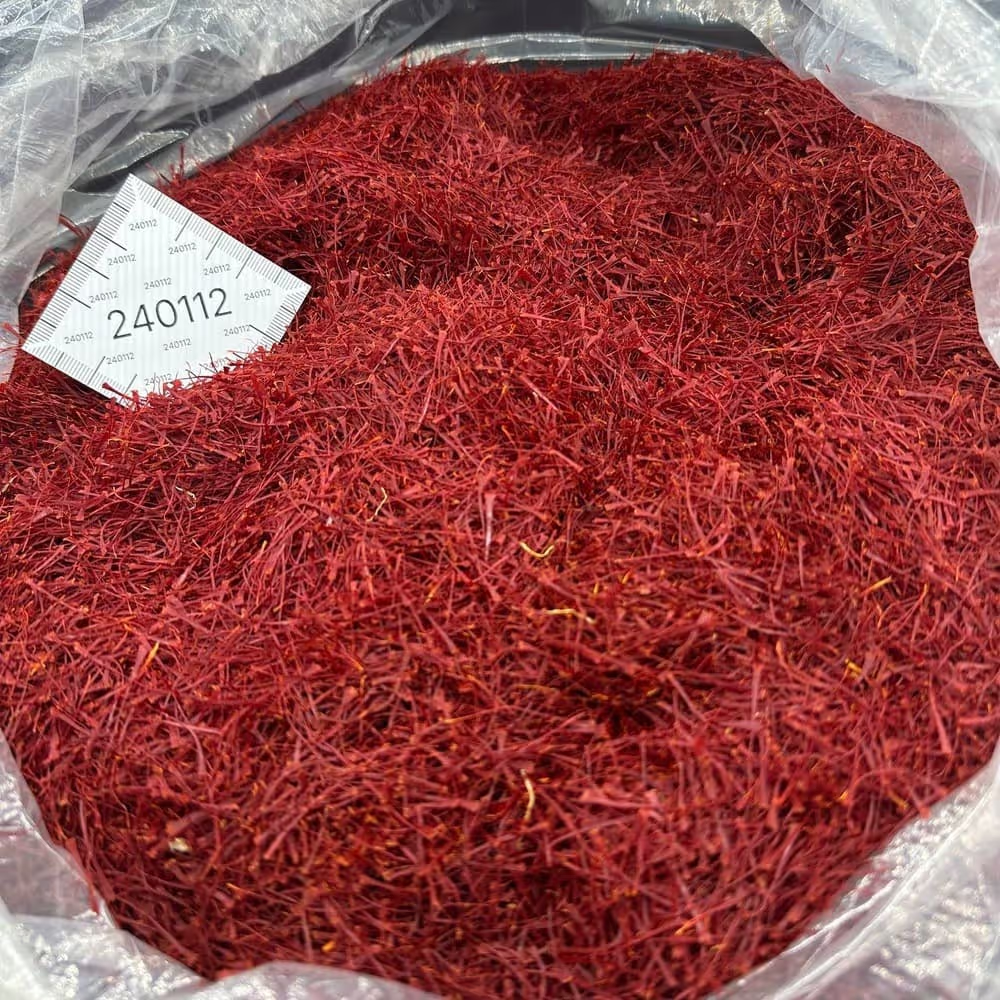
In addition, we have developed a structured reference of high-quality Iranian and Afghan saffron and classify each batch according to saffron type, cultivation origin, harvest year, and the key grading parameters that define commercial quality. This enables us to offer buyers a much higher level of consistency, traceability, and purchasing confidence across orders; an approach that remains uncommon in much of the saffron market.
Our sourcing and evaluation process is built on a disciplined, quality-focused foundation. We place strong emphasis on testing, grading rigor, and quality assurance as core operating principles rather than secondary claims. This reflects our broader experience of more than ten years in agricultural products, with particular depth in saffron sourcing and trade.
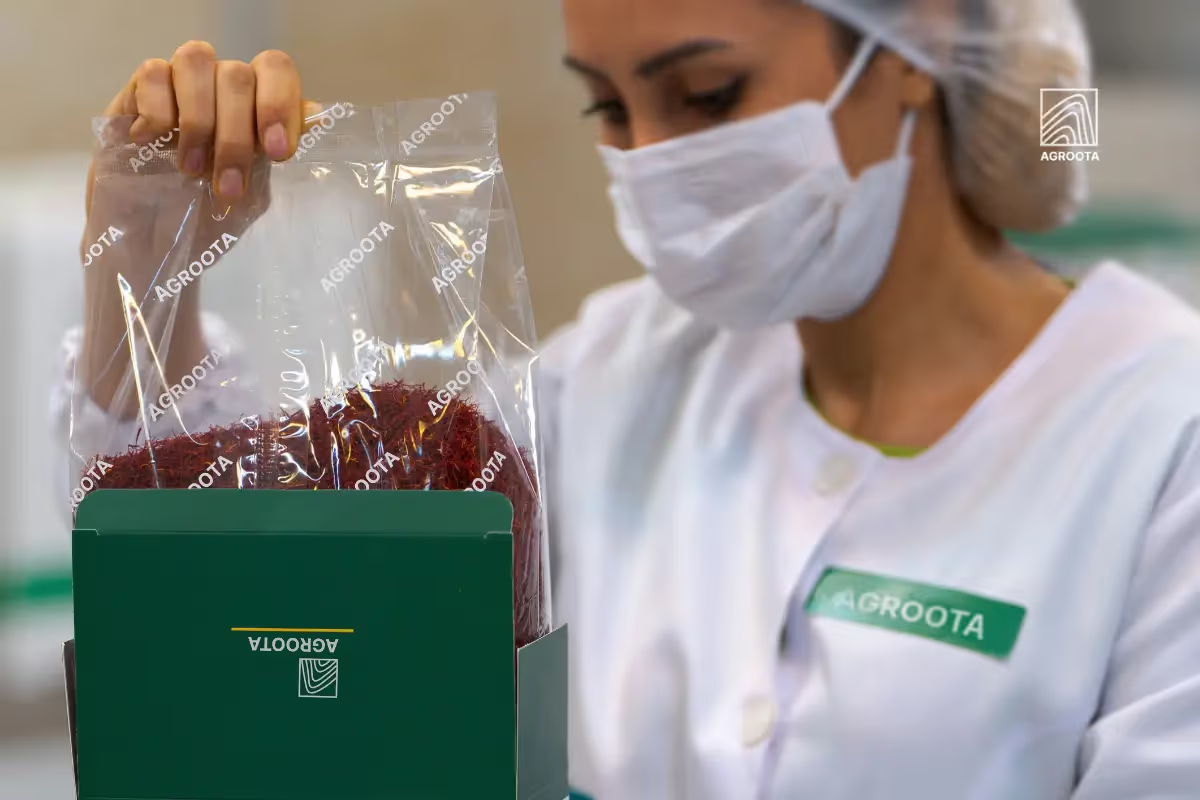
We also believe that supporting clients should go beyond product delivery alone. Agroota works closely with partners on packaging direction, product presentation, and brand development where needed, contributing not only as a supplier, but as an engaged commercial partner invested in long-term growth. With warehouse distribution across India, Dubai, Oman, the United States, and Afghanistan, we are also positioned to support faster and more efficient delivery across a wide range of target markets.
Final Thoughts
So, what is saffron?
Saffron is the dried red stigma of the Crocus sativus flower. It is one of the world’s most valuable spices because it is delicate, labor-intensive, and closely tied to quality at the source. It is also known as kesar in many South Asian markets and plays an important role in food, gifting, hospitality, and premium trade.
For buyers, however, the real value of saffron goes beyond its definition. It depends on origin, grade, purity, consistency, and trust. That is why understanding saffron is important, and why sourcing matters just as much as the product itself.
If you are evaluating suppliers, comparing grades, or looking for bulk saffron for your business, the best next step is to request clarity on origin, grade, and intended use before making a buying decision.
Frequently Asked Questions About Saffron
What is saffron made from?
Saffron is made from the dried red stigmas of the Crocus sativus flower.
Is saffron the same as kesar?
In most contexts, yes. Kesar is a common term for saffron in India and many South Asian markets.
Why is saffron so expensive?
Saffron is expensive because each flower yields only a few usable stigmas, and harvesting and processing are done by hand during a short seasonal window.
What are the main grades of saffron?
Common saffron grades include Super Negin, Negin, Sargol, Pushal, and Bunch or Dasteh.
How can you identify good saffron?
Good saffron usually has strong red stigma content, a rich natural aroma, a clear grade identity, and credible sourcing information.
Where can businesses buy saffron in bulk?
Businesses should buy saffron in bulk from suppliers that offer transparent sourcing, clear grade options, and consistent commercial supply.
Looking to Source Saffron in Bulk?
Compare saffron types, review available batches, and source wholesale saffron for your business based on current supply availability.
Need Current Bulk Saffron Pricing?
View indicative wholesale saffron price ranges by type, or learn how Agroota helps businesses source saffron in bulk.


.svg)

.webp)


