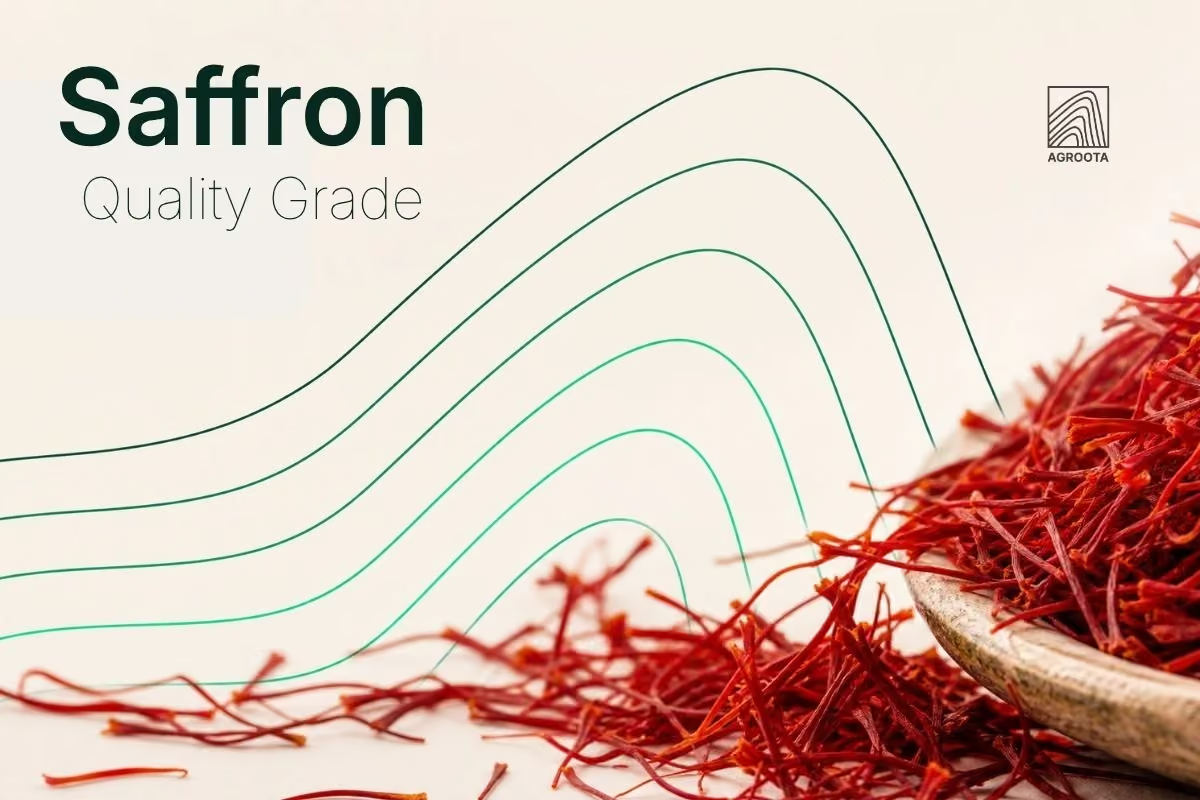
Did you know it can take around 150,000 crocus flowers to produce just one kilogram of saffron? That number explains why saffron is the most expensive spice in the world. But it does not explain why one batch performs beautifully while another looks similar but delivers weak color, aroma, or flavor. That is where the grades of saffron matter.
If you are buying a few grams for home cooking, a small mistake may not cost much. But if you are buying saffron wholesale for a restaurant, retail brand, food manufacturer, or distributor, choosing the wrong grade can hurt your margins and your final product.
The simple answer is this: Super Negin is best for visual luxury, Negin is best for premium retail and cooking, Sargol and Coupe are often the smartest choice for bulk food use, Pushal is good for traditional markets, and Bunch or White is best only when lower cost matters more than coloring strength.
What Are the Different Grades of Saffron?
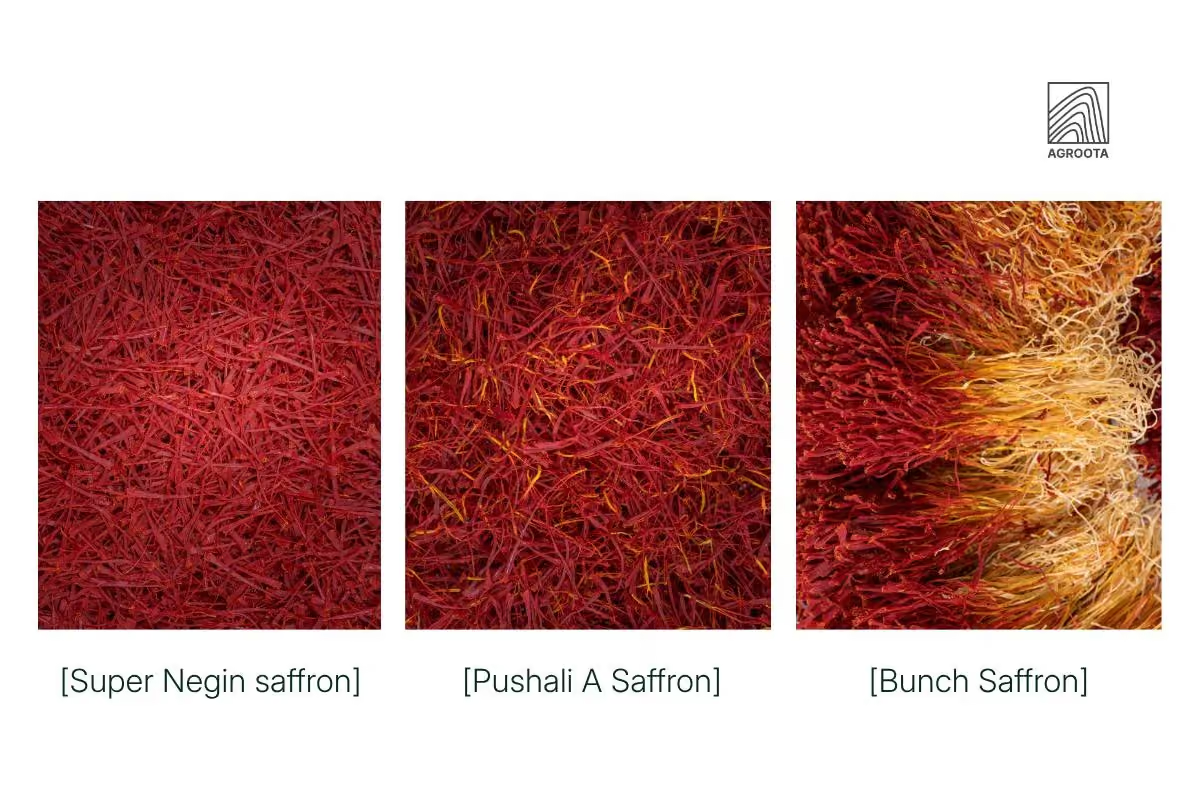
When we talk about the types of saffron, we are usually referring to how the thread (the stigma of the Crocus sativus flower) is separated and processed. The stigma has a deep red top and a yellow or white base. The proportion of red to yellow determines the grade. At Agroota, we categorize these to help you find the exact match for your needs.

Quick Guide to Saffron Grades
Royal Negin & Super Negin
- Appearance: Long, thick, fully red threads
- Potency: Maximum coloring strength and strong aroma
- Best for: Luxury retail, premium gifting, fine dining, and visible saffron packaging
Choose this grade when appearance matters as much as performance.
Negin
- Appearance: Fully red threads, usually slightly shorter or less uniform than Super Negin
- Potency: High coloring strength, aroma, and flavor
- Best for: Premium retail brands, restaurants, and buyers who want a strong balance of quality and value
Choose Royal Negin & Super Negin grade when you want premium saffron without paying only for perfect thread appearance.
Sargol & Coupe
- Appearance: Short or broken red stigma tips with no yellow or white style
- Potency: High coloring strength and strong flavor
- Best for: Restaurants, food manufacturers, spice brands, and bulk buyers
Choose Sargol & Coupe saffron grade when performance matters more than long, perfect-looking threads.
Pushal / Pushali A & B
- Appearance: Red stigma with a small yellow tail attached
- Potency: Moderate to good, depending on the red-to-yellow ratio
- Best for: Traditional markets and buyers who prefer a more natural-looking full thread
Choose this grade when your customers value authenticity, traditional appearance, and better pricing.
Bunch / Dasteh
- Appearance: Full bundled thread with red stigma, yellow style, and white root
- Potency: Lower coloring strength per gram
- Best for: Budget-conscious traditional use and buyers who want the full natural saffron thread
Choose this grade when lower cost and traditional presentation matter more than maximum color release.
White / Konj
- Appearance: White or pale yellow root part of the saffron thread
- Potency: Almost no coloring strength
- Best for: Herbal, cosmetic, or non-coloring applications
Choose this grade only when aroma or botanical use matters more than color.
Royal Negin & Super Negin Saffron: Best for Premium Appearance
Royal Negin and Super Negin saffron are the most visually premium saffron grades. They contain long, thick, all red threads with no visible yellow or white style. The threads are cleaner, straighter, and more uniform than other types. This makes them ideal for luxury retail packaging, premium gifting, fine dining, and any product where the buyer can actually see the saffron threads.
Negin Saffron: Premium Quality With Better Value
Negin saffron is also an all-red grade. It has strong color, good aroma, and attractive threads, but the threads may be slightly shorter or less visually perfect than Super Negin. Negin is a smart middle ground for many retail brands. It looks high quality in a jar but is more cost-effective.
Sargol & Coupe Saffron: Best Value for Many Bulk Buyers
Sargol means top of the flower. It contains only the red stigma, but the threads are usually shorter or more broken than Negin. Do not mistake shorter threads for weak quality. Sargol saffron delivers excellent color, aroma, and flavor. In Spain and on international markets, Coupe is the equivalent premium grade. For many restaurants and food manufacturers, these grades are the most practical because you pay for potency and not just perfect appearance.
Pushali A & Pushali B Saffron: Natural Looking and Traditional
Pushal saffron includes the red stigma with a small amount of yellow style attached. Pushali A has more red content, while Pushali B has a slightly longer yellow tail. Because the thread looks more complete, some traditional buyers prefer it. The attached yellow part can also make the saffron look less processed and more natural. Pushal usually has lower coloring strength per gram than all red grades, but it is a great option for traditional markets.
Bunch (Dasteh) Saffron: Full Thread, Lower Color Strength
Bunch saffron includes the full thread. It has the red stigma, yellow middle, and white base, and the threads are naturally bundled together. This is one of the most traditional forms of saffron, but a larger share of the weight comes from the yellow and white parts. Use Bunch when your customer values traditional full thread presentation and lower cost.
White (Konj) Saffron: Mild Aroma
White saffron or Konj is the root left over after the premium red top is removed. It contains almost zero crocin so it will not color your food. However, it still holds a mild natural aroma and is often bought in bulk for herbal medicine or cosmetic products.
How Saffron Quality Grades Are Measured
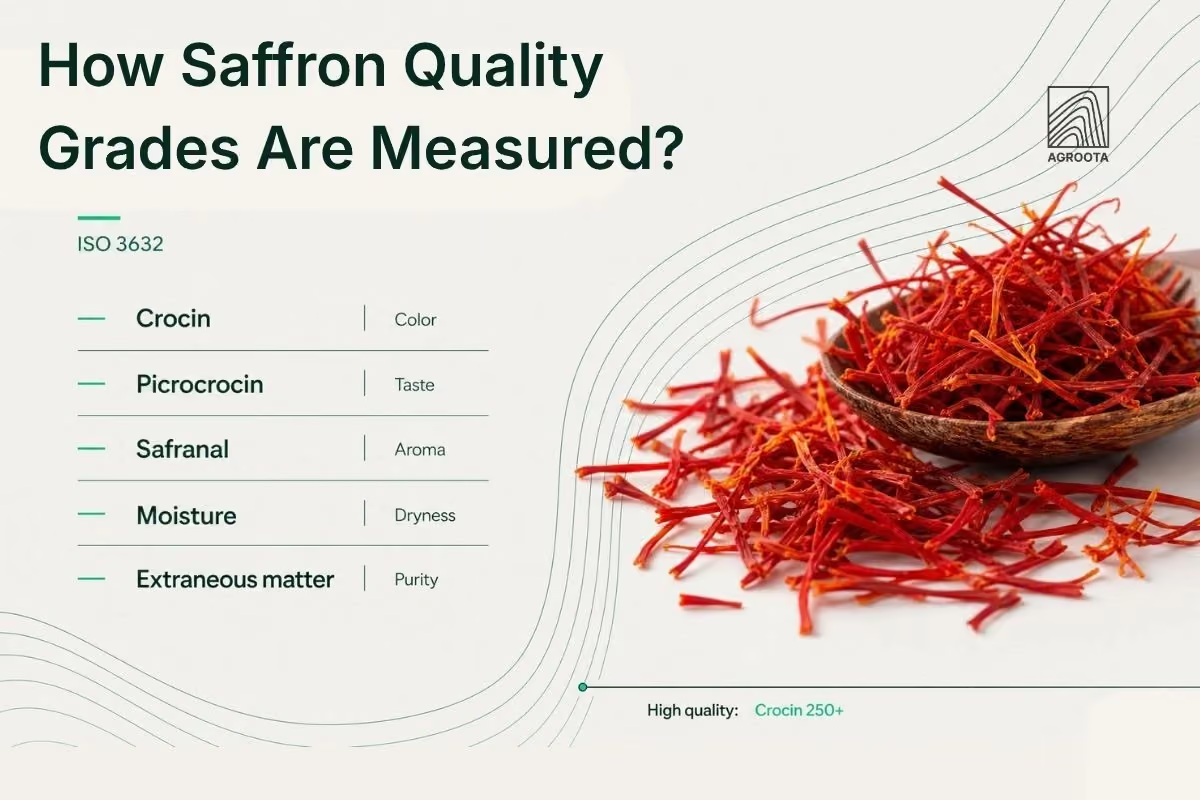
Commercial names like Super Negin and Pushal are useful, but ISO testing gives buyers a more objective way to evaluate saffron quality.
ISO 3632 specifies requirements for dried saffron and applies to saffron in filaments, cut filaments, and powder forms.
- Crocin: Measures color strength. Higher crocin means stronger yellow golden color release.
- Picrocrocin: Measures the classic saffron taste. Real saffron should taste slightly bitter and never sweet.
- Safranal: Measures the saffron smell. This gives the spice its warm, floral, hay like aroma.
- Moisture: Measures dryness and shelf stability. Too much moisture can reduce shelf life.
- Extraneous matter: Helps identify dust or unwanted material.
According to research, high quality Negin or Coupe grades routinely score above 250 in crocin levels. Lower grades naturally have lower scores because the yellow and white styles dilute the concentration of these active compounds.
How to Check Saffron Quality Before Buying
Whether you are looking at saffron for sale online or inspecting a sample, there are a few simple ways to check the quality. First, evaluate the threads. They should be dry and brittle to the touch. If they feel soft or moist, the moisture content is too high.
Next, test the color release. Authentic red threads will slowly yield a beautiful golden yellow color when steeped in warm water or milk. If the liquid turns red immediately, the product has likely been dyed.
Finally, trust your senses. The saffron smell should be distinct and earthy, and the saffron taste should have a pleasant bitterness. Buying from a reliable supplier with transparent lab results is the best way to ensure you get exactly what you pay for.
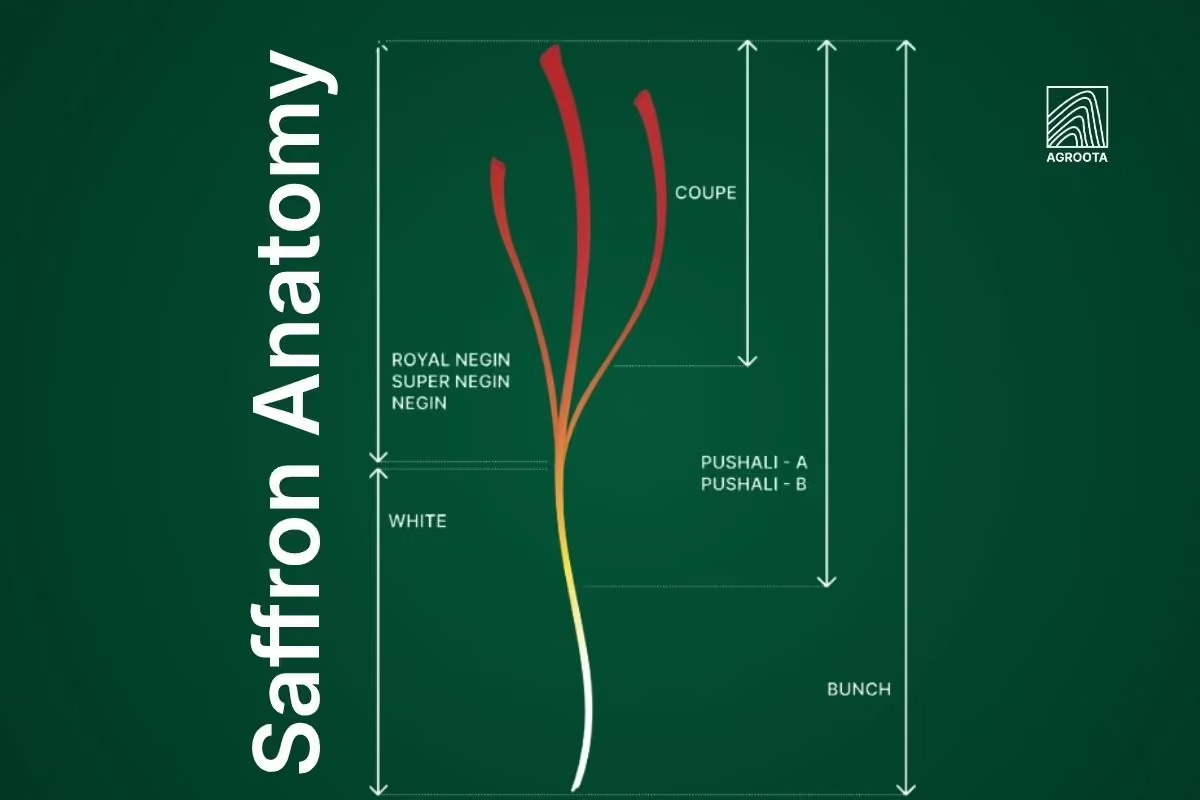
Saffron Anatomy: Where does each grade come from?
As you can see in the diagram, premium grades like Royal Negin and Coupe only use the very top red stigma. Grades like Pushali include a bit of the yellow style, and Bunch uses the entire natural thread down to the white root.
Saffron Regional Grading Variations
While grading systems tell you about the physical cut of the thread, the geographic origin also plays a major role in the types of saffron available on the market.
- Iranian Saffron: Iran produces over 85% of the world's saffron. The terminology we used above (Negin, Sargol, Pushal) originates here. Iranian saffron is globally recognized for incredibly high crocin levels and a complex flavor profile.
- Spanish Saffron: Spain is famous for its culinary history with the spice. Their premium grade is called Coupe and their standard grade is La Mancha. Spanish saffron is often dried by toasting over a gentle fire, giving it a slightly smokier aroma.
- Kashmiri Saffron: Grown in India, this variety is highly prized. The threads are thick and dark red. Because the yield is small compared to global demand, pure Kashmiri saffron commands a massive price premium. If you are comparing the kesar price 1kg (kesar being the Hindi word for saffron), you will find Kashmiri saffron is usually the most expensive on the market.
Best Saffron Grade for Bulk Buyers
For bulk buyers, the best grade depends on how the saffron will be used.
Here is the simplest sourcing rule:
- Buy Super Negin for display.
- Buy Negin for premium balance.
- Buy Sargol for performance.
- Buy Pushal for traditional value.
- Buy Bunch only when lower cost matters more than strength.
This is the kind of practical thinking that matters in wholesale saffron sourcing. The most expensive grade may impress on paper, but it is not always the most profitable choice
Where can you buy high quality saffron?
If you are wondering how to source authentic saffron with confidence, Agroota is here to help. We connect saffron farmers directly to global buyers, ensuring you get transparent pricing, certified lab results, and farm to batch traceability.
Whether you need a small evaluation sample or bulk shipments, we have you covered. Agroota offers clear visibility on the current saffron price, making it easy for you to compare grades like Royal Negin, Coupe, or Bunch based on your exact manufacturing or retail needs. We offer a fair marketplace, direct connections, and strict quality standards so you never have to guess what is inside the box.
Reach out to the Agroota team today to request a sample and experience the true quality of our saffron for yourself!
Final Recommendation: Choose by Use, Not Just Name
Saffron grades are helpful guides, but the best choice always depends on your specific needs. Instead of just focusing on the name or the highest price, match the visual and performance qualities directly to your final product.
For bulk buyers, the smartest approach is simple: ask for a sample, test the color release and aroma in your actual recipe, and always request batch level lab documentation before placing a large order.
FAQ
Which saffron quality is best for everyday home cooking?
For daily culinary use, Sargol or Pushal are excellent choices. They provide wonderful flavor and color without the premium cost associated with perfectly intact Super Negin threads.
Does the color of the thread guarantee the quality?
Not always. While a deep red color is a good indicator of high crocin levels, you must ensure the product has not been artificially dyed. Authentic red threads will only yield a golden-yellow color when steeped in water.
How long do different grades of saffron stay fresh?
Regardless of the grade, saffron should be stored in an airtight container in a cool, dark place. When stored correctly, it maintains optimal potency for about two years. After that, the aroma and flavor will slowly begin to fade.
Is cheaper saffron always a bad choice?
No. Lower-priced grades like Pushal or Bunch simply include more of the yellow style. They are 100% authentic saffron and offer a more delicate flavor, which some traditional recipes actually require. The problem only arises if a supplier tries to pass off a lower grade as a premium grade.
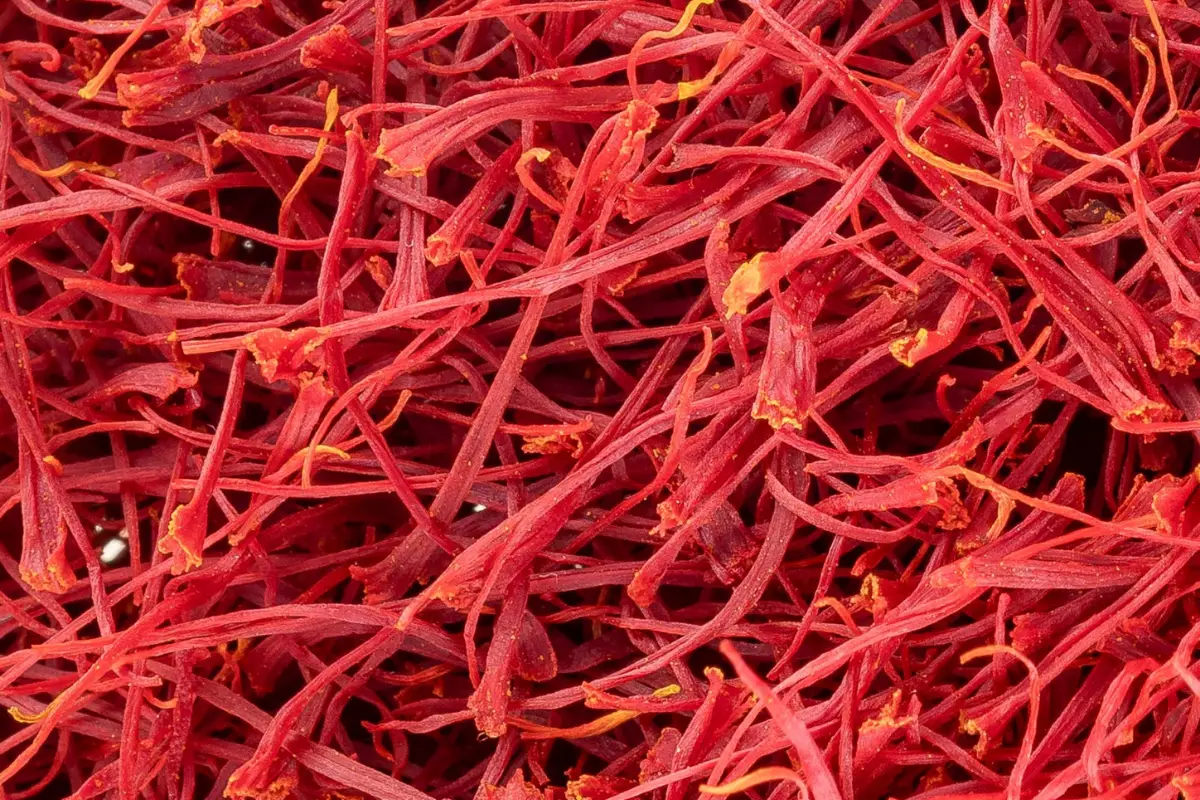
Looking to Source Saffron in Bulk?
Compare saffron types, review available batches, and source wholesale saffron for your business based on current supply availability.
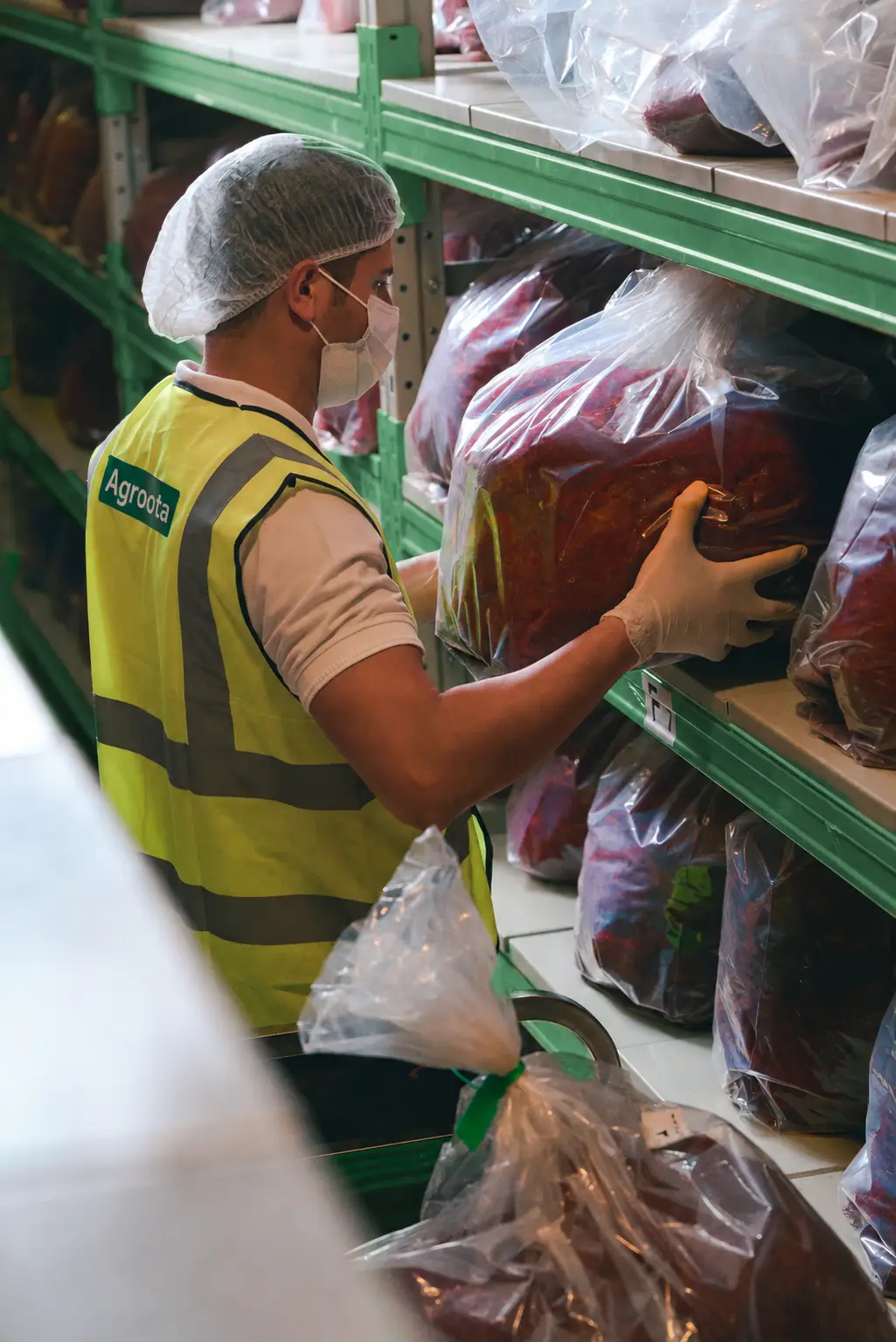
Need Current Bulk Saffron Pricing?
View indicative wholesale saffron price ranges by type, or learn how Agroota helps businesses source saffron in bulk.

.svg)

.webp)


