
If you just got your hands on some beautiful red threads, you might be wondering exactly what saffron is and how to get the most out of it.
In this guide, we will walk through the best way to consume saffron and unlock its famous flavor.
How to Prepare Saffron: Quick Step-by-Step Guide
Wondering how to use saffron threads in cooking? For the best color and aroma, bloom the threads before adding them to your recipe.
For a dish serving 4 people, you need:
- A generous pinch of saffron threads
- 2 to 4 tablespoons of warm water, milk, broth, or rosewater
- A small mortar and pestle or the back of a spoon
- 15 minutes for steeping
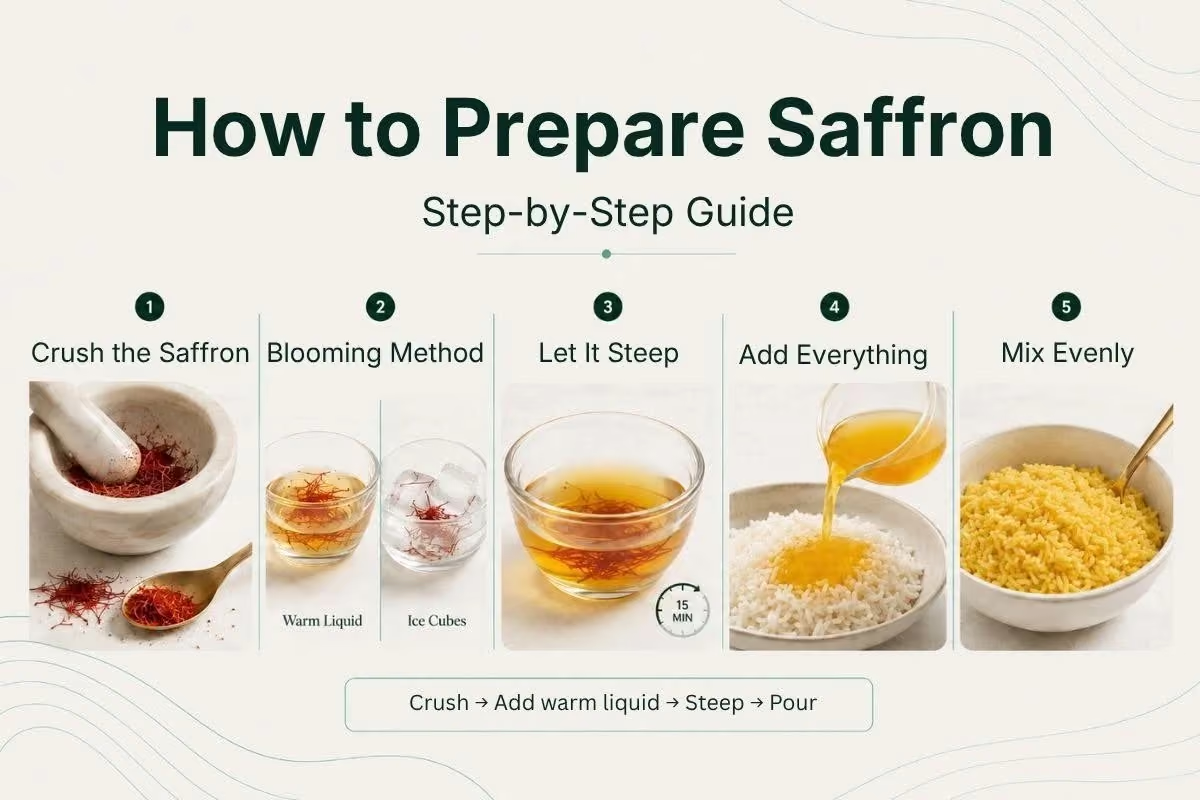
Step 1: Crush the Saffron
You can bloom saffron with either warm liquid or ice. Choose the method based on how much time you have.
Place the saffron threads in a small mortar and gently crush them until they become smaller flakes or a fine powder.
Quick tip: Add a tiny pinch of sugar while grinding. It helps break down the threads more easily and will not noticeably affect most recipes.
Step 2: Choose Your Blooming Method
You can bloom saffron with either warm liquid or ice. Choose the method based on how much time you have.
Quick Method: Warm Liquid
If you are cooking right now, pour 2 to 4 tablespoons of warm water, milk, broth, or rosewater over the crushed saffron.
Important: The liquid should be warm, not boiling.
Slow Method: Ice Cubes
If you are not in a hurry, place 1 or 2 small ice cubes over the crushed saffron and let them melt naturally.
Once the ice has fully melted, add the saffron liquid and threads to your dish.
This method takes longer, usually 30 to 60 minutes, so it is better when you can prepare the saffron in advance.
Which Method Should You Use?
- Cooking now? Use warm liquid.
- Preparing ahead? Use ice cubes.
- Making rice, sauces or savory dishes? Warm water or broth is the easiest choice.
- Making desserts or drinks? Warm milk, rosewater or the ice method can work well.
Step 3: Let It Steep
Leave the saffron mixture to steep for at least 15 minutes. During this time, the liquid will turn a rich golden yellow and absorb the saffron taste and aroma.
In a hurry? Even 5 to 10 minutes helps, especially if the saffron is finely ground, but 15 minutes gives a better result.
Step 4: Add Everything to Your Recipe
Pour both the golden liquid and the softened saffron threads into your food or drink.
Do not strain or discard the liquid. It holds much of the color and aroma.
Step 5: Mix Evenly
Stir the saffron infusion through your dish so the color and flavor spread evenly instead of collecting in one spot.
Fast Rule to Remember
Crush → Add warm liquid → Steep for 15 minutes → Pour it all into your recipe.
Common Mistakes to Avoid While Using Saffron
- Do not add dry saffron threads straight to a large dish if you want even color and flavor.
- Do not use too much liquid, or the saffron may be harder to distribute in your recipe.
- Do not throw away the steeping liquid.
- Do not expect more threads to fix poor preparation. Proper blooming helps you get more from every pinch.
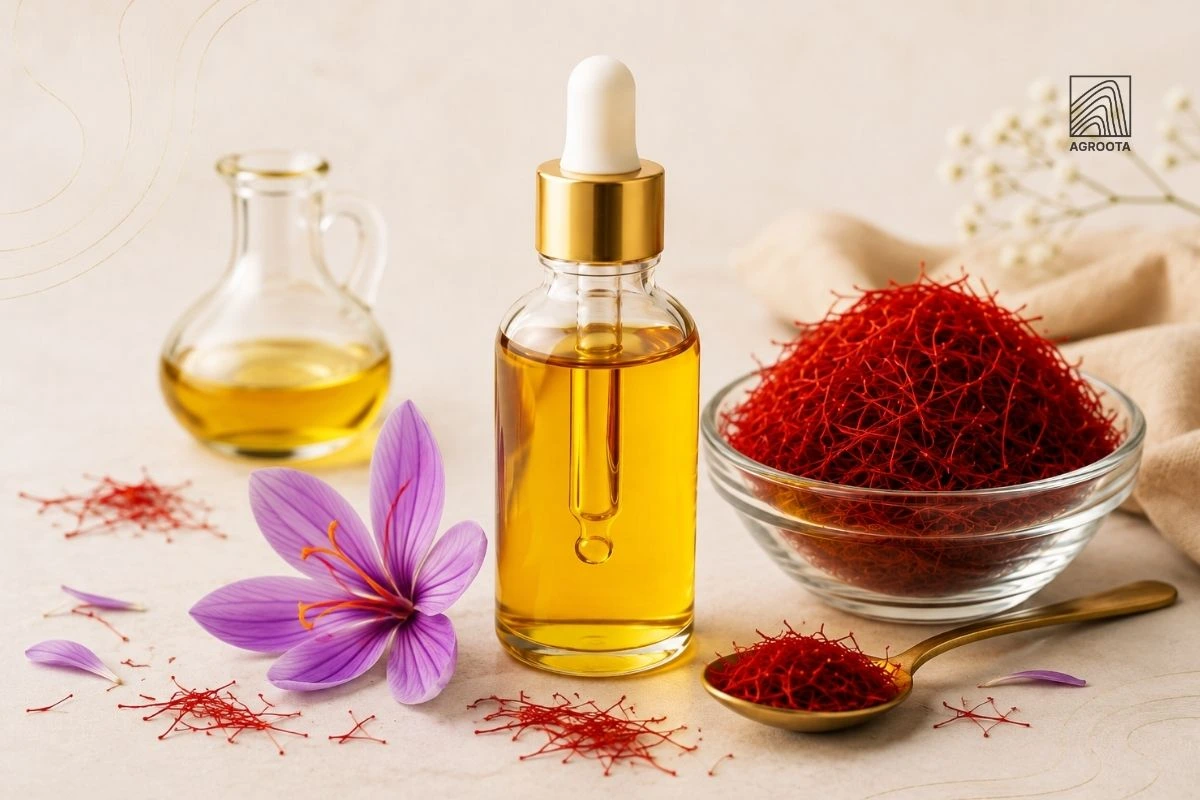
Blooming saffron is one of the easiest ways to make this expensive spice work harder. A small pinch can give your dish a more even golden color, fuller aroma and better saffron taste when it is steeped properly first.
How to Steep Saffron for the Best Color and Aroma
People searching for how to steep saffron are usually worried about wasting it. Fortunately, steeping saffron is not complicated. The main mistake is treating it like a spice that needs aggressive boiling.
Saffron responds better to warm liquid and time.
Use warm water for rice, tea, paella, soups, or sauces where you want a clean golden color. Use warm milk for desserts, custards, ice cream, saffron milk, or lattes. Use broth when the infusion will be added to risotto, seafood, grains, or savory stews.
The liquid should be hot enough to release the aroma, but not violently boiling. After about 15 minutes, the infusion should take on a rich orange-gold shade and release a warm fragrance.
Real saffron does not usually turn water into an unnaturally bright red liquid immediately. Its color develops gradually, moving toward a clear golden yellow or deep orange-gold. The aroma should also be noticeable: floral, dry, earthy, slightly honeyed, and sometimes faintly hay-like.
If you are sourcing for the Indian market, check the latest Kesar price per kg before placing a bulk order.
Should you use whole threads or ground saffron?
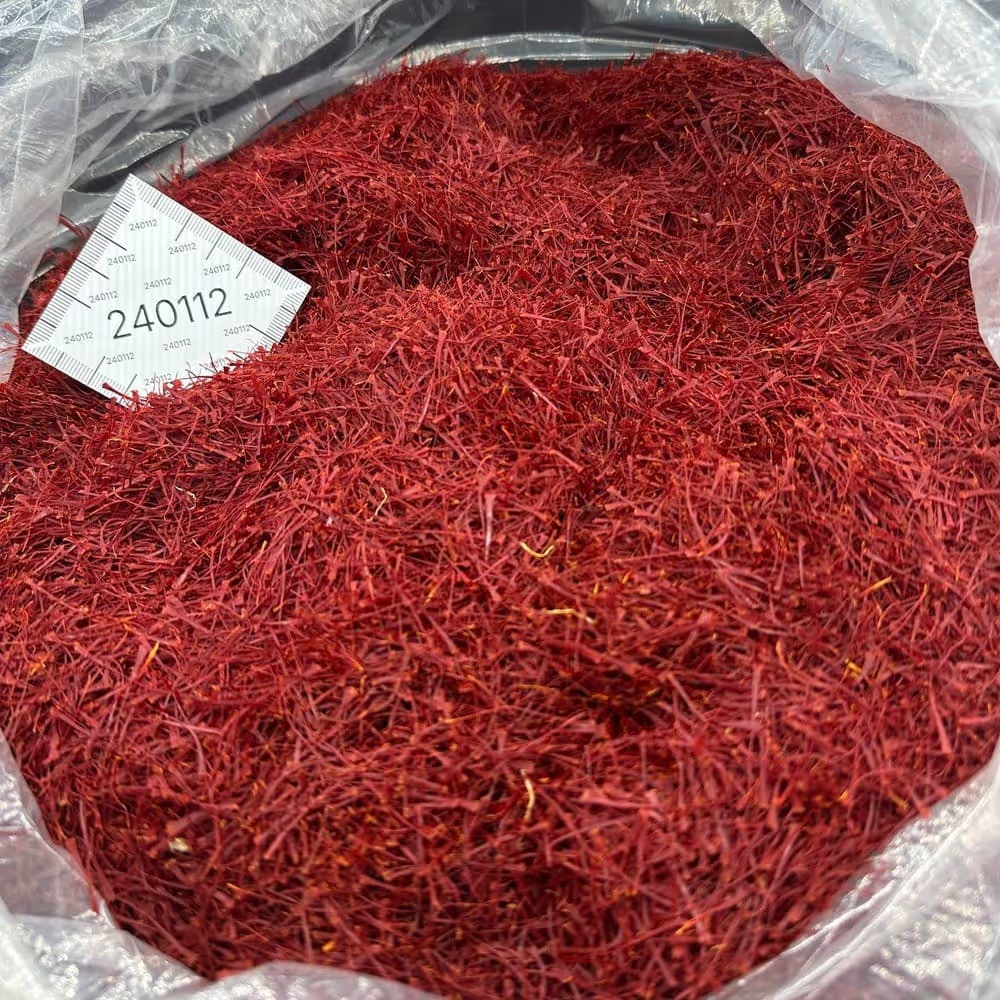
Whole threads are easier to inspect before purchase and work beautifully in tea or long-cooked dishes. Ground saffron releases its color more quickly and distributes more evenly through rice, desserts, and sauces.
However, it is usually smarter to buy whole threads and grind them yourself. With pre-ground powder, it is harder to judge purity, freshness, or whether another ingredient has been mixed into the product.
How to Use Saffron in Cooking
Once the saffron has bloomed, using saffron becomes simple. Add the infused liquid early enough for the color and aroma to move through the recipe, or save a small spoonful to finish the dish with a brighter golden appearance.
Saffron rice and biryani
For saffron rice, prepare your infusion while the rice cooks. When the rice is nearly ready, mix a small amount of cooked rice with the saffron liquid until it becomes vivid gold. Scatter that golden rice over the remaining white rice before serving.
This gives you contrast, controlled aroma, and a luxurious appearance without overloading the whole pot with saffron.
Paella, risotto, seafood, and soups
When learning how to use saffron in cooking, dishes with liquid are especially forgiving. Add the saffron infusion to stock before the rice or seafood absorbs it. This works well in paella, risotto, bouillabaisse-style soups, seafood stews, and creamy sauces.
Some long-cooked recipes allow saffron threads to be added directly to simmering liquid. However, blooming first gives you more control and helps distribute the color evenly.
Desserts and drinks
Saffron pairs particularly well with milk, cream, cardamom, pistachio, rosewater, honey, vanilla, almonds, and citrus.
Bloom the threads in warm milk before adding them to rice pudding, custard, ice cream, cake syrup, panna cotta, or a saffron latte. In desserts, aroma becomes especially noticeable, so begin with a small amount and add more only when necessary.
A practical quantity rule
For most home recipes, a pinch is enough. More saffron does not automatically make a dish better. Too much can make the final flavor harsh, overly bitter, or medicinal.
For commercial kitchens and food manufacturers, the correct amount depends on recipe size, water and fat content, expected color strength, serving format, and the performance of the particular saffron batch. This is why testing saffron in the actual product matters before placing a larger order.
Can You Use Bloomed Saffron for Tea?
Yes. To make saffron tea, gently crush a few threads, add hot water, and let them steep for 10 to 15 minutes. You can enjoy it plain or add honey, lemon, cardamom, or rosewater for extra flavor.
For more information about preparation, traditional use, and saffron tea benefits, explore our complete saffron tea guide.
How Do You Use Saffron Threads?
To use saffron threads, crush them, bloom them, then add them.
Keep saffron dry and protected from light until you need it. Crush only the amount required for your recipe. Let it steep in warm liquid for around 15 minutes. Then use both the infused liquid and the threads in food or drink.
Storage is also important. Keep saffron in an airtight container away from humidity, heat, and direct sunlight. A tiny jar may feel precious, but saffron is at its best when its aroma is still lively. Buying a quantity you can use is usually better than storing a large jar for years.
Does the Grade of Saffron Matter for Cooking?
Different grades of saffron mainly vary in appearance and the amount of red thread they contain. For everyday cooking, tea, rice, and desserts, good-quality red threads with a strong aroma and natural golden color are more important than choosing the longest or most expensive grade.
When looking for saffron for sale, choose whole threads rather than powder, as they are easier to inspect before use. The saffron price in the USA can vary widely depending on grade, packaging, origin, and quantity, so avoid judging quality by price alone.
Where to Buy Quality Saffron for Bulk Orders
Buying a small jar of saffron is one thing. Buying saffron for import, resale, restaurant supply, private-label packaging, or food manufacturing is different.
At commercial scale, you are not simply buying red threads. You are buying consistency, documentation, product performance, and confidence that the next shipment will match the quality your customers expect.
That is why choosing where to buy quality saffron should start with more than a product image or a grade name.
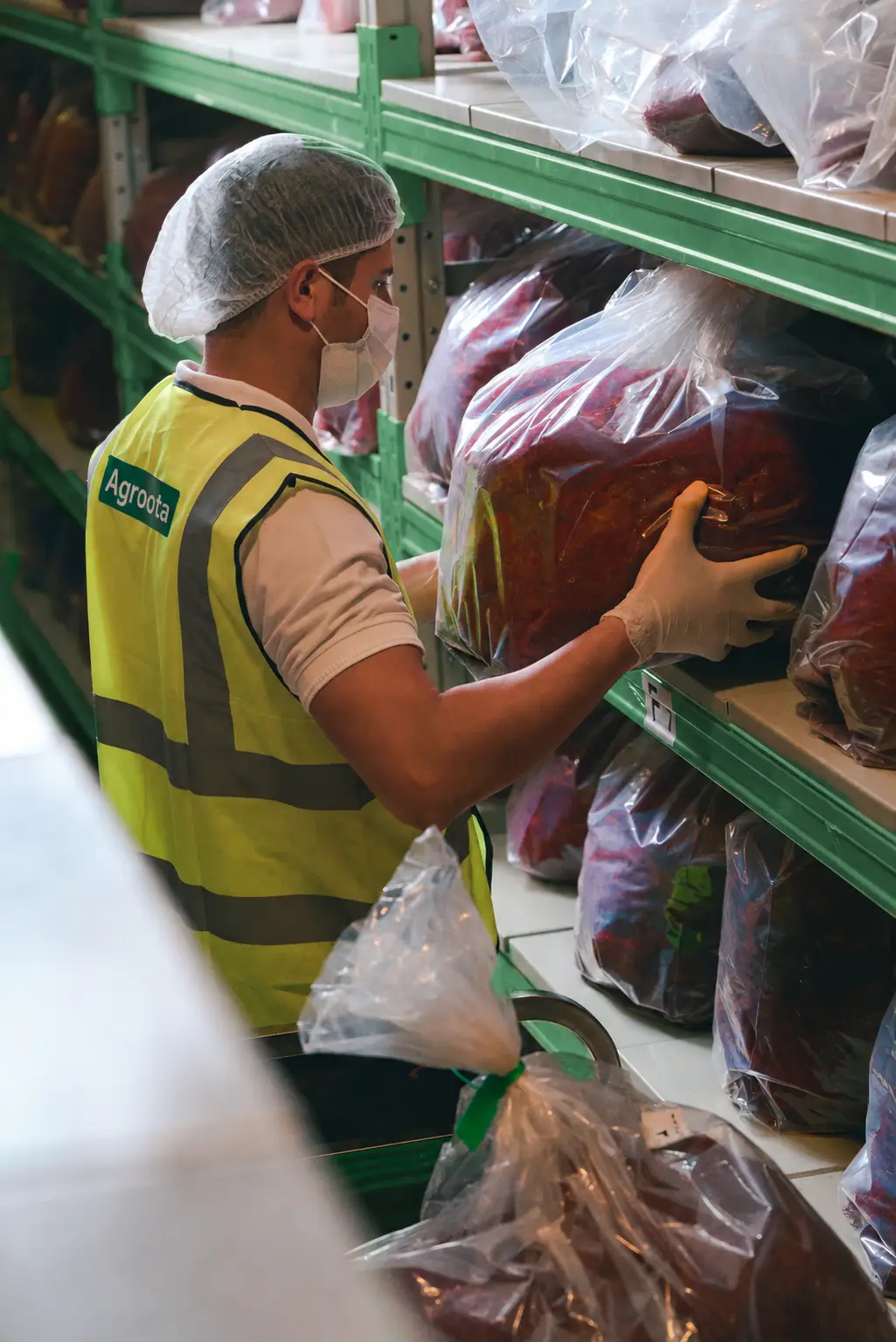
Agroota helps international buyers source quality-checked saffron for commercial use. Whether you need premium-looking Super Negin saffron for luxury retail packaging, balanced Negin saffron for wholesale supply, or practical grades such as Sargol, Pushal, and Bunch for food production, Agroota helps you identify the right option for your market and budget.
Why This Matters for International Buyers
If you are supplying customers in markets such as the United States, Germany, or Dubai, quality problems can cost more than the product itself. Inconsistent color, weak aroma, poor documentation, or unreliable supply can affect your brand, margins, and customer trust.
Your customer may only see a beautiful jar of saffron. You need to know what is behind it.
Agroota is built to help buyers move beyond guesswork and source saffron with clearer product information, appropriate commercial grades, and the documentation needed for more confident purchasing decisions.
Before choosing a grade for your next order, compare global saffron prices by type and wholesale quantity.
Ready to Source Quality Saffron?
Explore saffron supply through Agroota and request the grade, batch details, documentation, and sample information you need before placing your order.
Final Thought: Extract First, Then Buy Smarter
The secret to saffron is not using more. It is understanding how to release what is already inside each thread.
For cooking, crush a pinch, steep it in warm liquid, and add the infusion when the dish can absorb its color and aroma. For tea, use a few threads and allow time for the flavor to open gently. For buying, understand the grade, ask for evidence, test the batch, and compare more than price alone.
When every thread is valuable, preparation and transparency make all the difference. That is how saffron moves from an intimidating luxury ingredient to a spice worth using, enjoying, and sourcing with confidence.
FAQ
- Can you make saffron extract at home?
Yes. For cooking, the simplest saffron extract is a saffron infusion. Gently crush a small pinch of threads, add warm water, milk, or broth, and let it steep for about 15 minutes. Then add both the golden liquid and the softened threads to your recipe.
- What is the best way to extract saffron flavor and color?
The best method is to crush the threads lightly and bloom them in a small amount of warm liquid before cooking. This helps release saffron’s color and aroma more evenly than adding dry threads directly to a dish.
- How long should saffron steep before cooking?
Saffron should usually steep for at least 15 minutes. For a stronger infusion, you can leave it longer before adding it to rice, tea, desserts, or savory dishes.
- How much saffron should you use in cooking?
For most home recipes, a small pinch is enough for several servings. Saffron has a strong aroma and lightly bitter taste, so using more does not always improve the final dish.
- Can you eat saffron threads after steeping them?
Yes. Once saffron has steeped, you can add both the infused liquid and the threads to your dish or drink. The liquid carries much of the color and aroma, while the threads add visual appeal.
Looking to Source Saffron in Bulk?
Compare saffron types, review available batches, and source wholesale saffron for your business based on current supply availability.
Need Current Bulk Saffron Pricing?
View indicative wholesale saffron price ranges by type, or learn how Agroota helps businesses source saffron in bulk.


.svg)

.webp)


