Saffron is the most expensive spice in the world, often costing between $1,500 and $2,100 per pound. The reason for this high price tag comes down to a simple fact: it is incredibly labor-intensive to harvest, and there are no shortcuts.
To put that into perspective: it takes about 75,000 fresh flowers to produce just one single pound of dried saffron. That is a massive amount of backbreaking manual work, which is why it is rightly called "red gold."
Why Is Saffron So Expensive?
Several factors work together to make saffron so expensive. From the tiny yield of each flower to hand harvesting, drying, grading, and authenticity checks, every step adds to the final cost.
Here are the main reasons saffron has such a high price.
1. Each Flower Produces Only a Few Threads
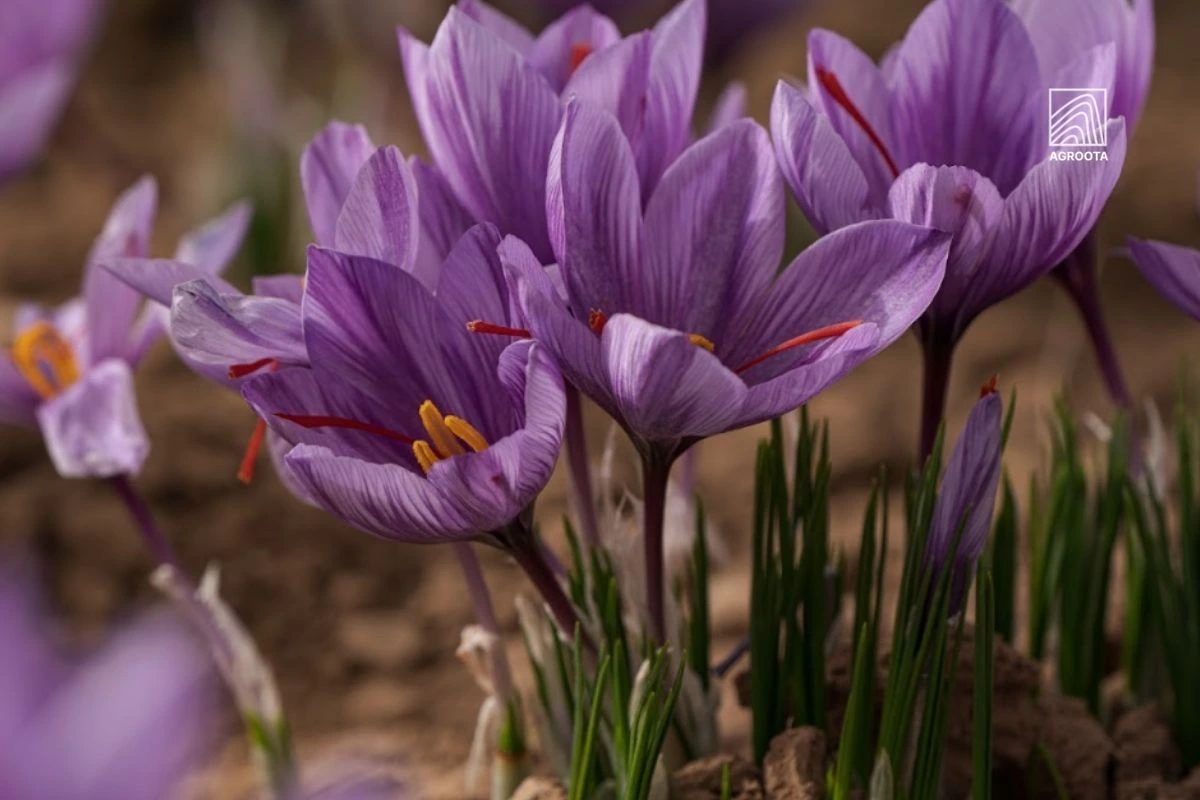
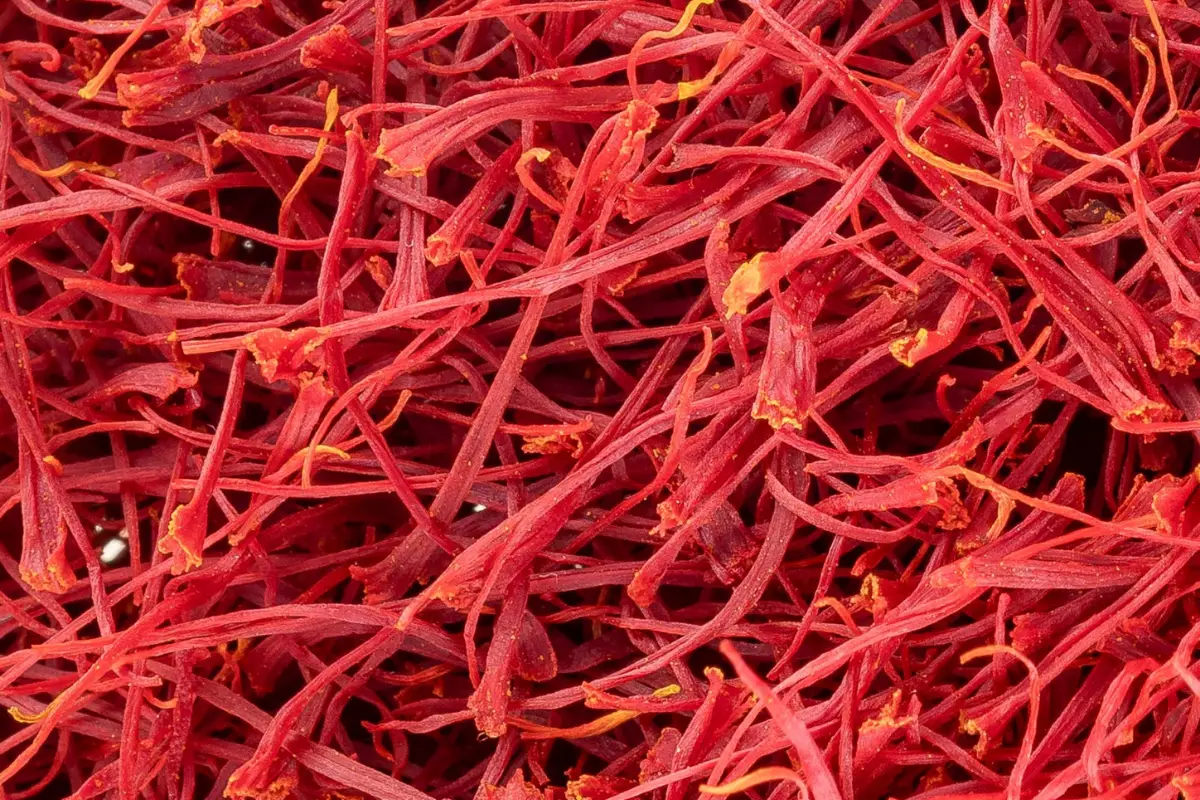
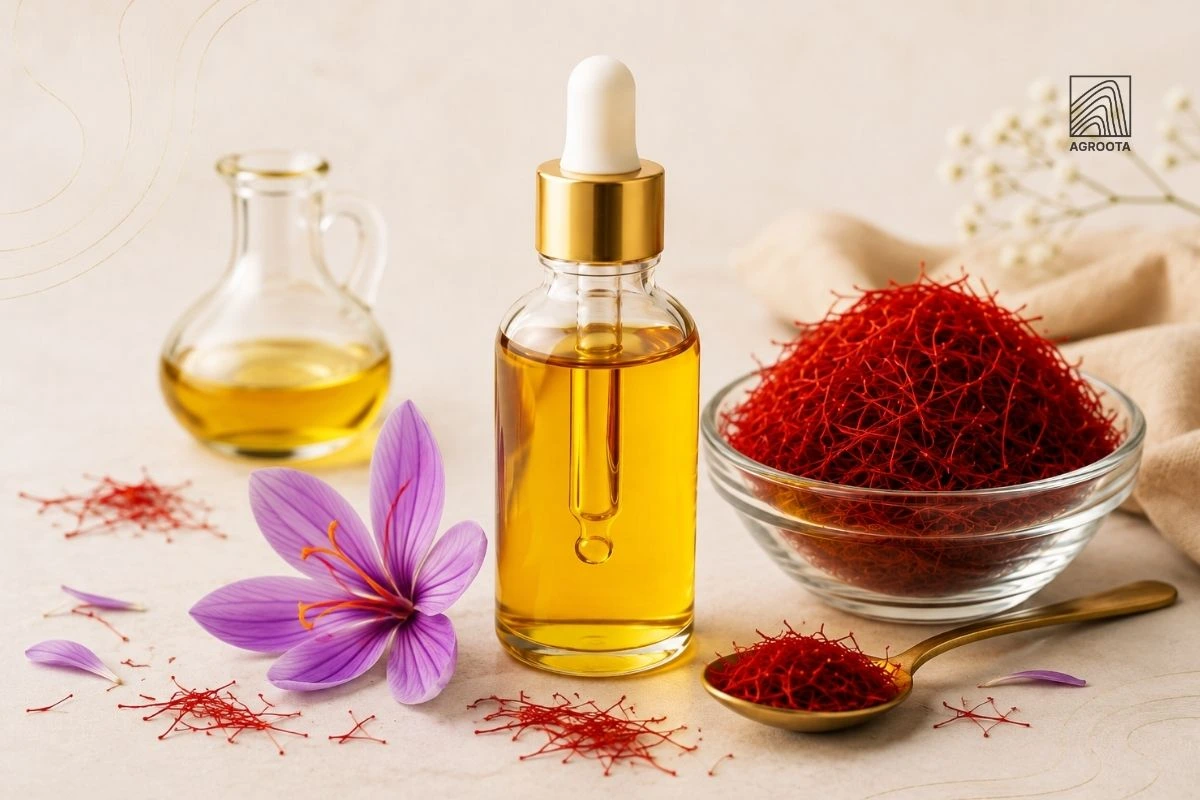
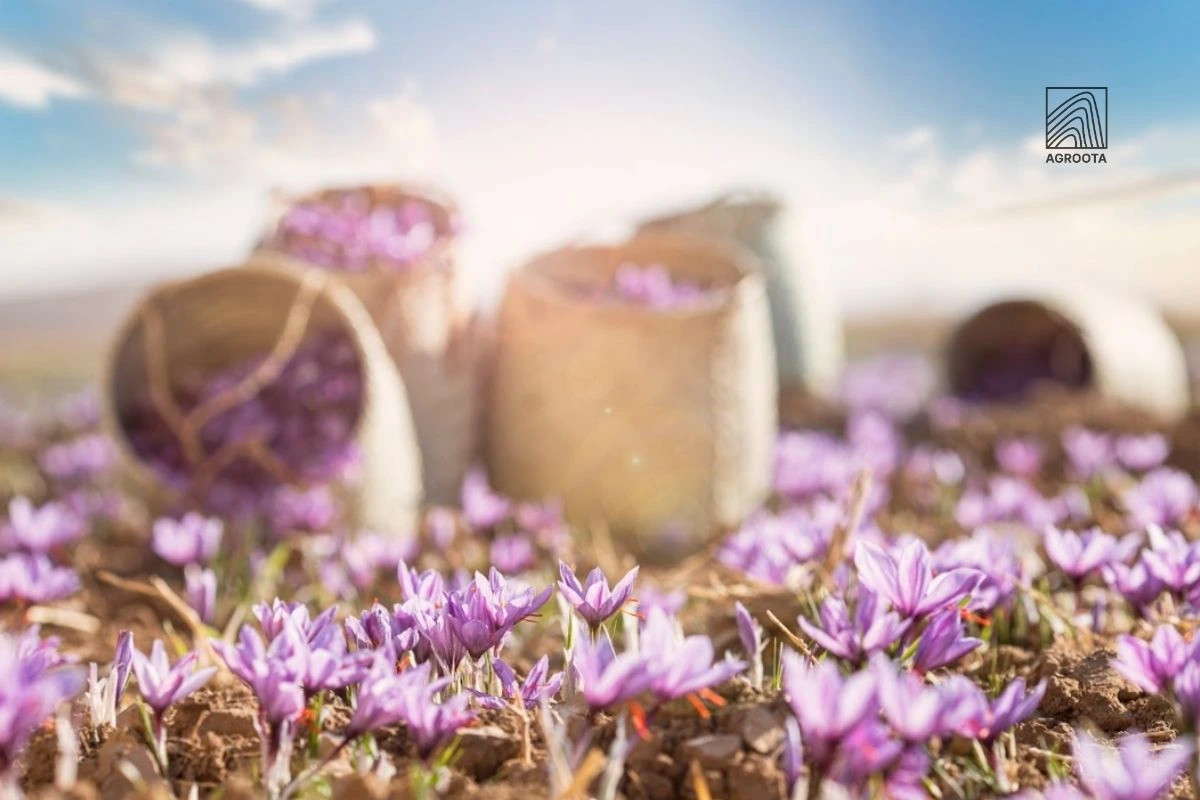
The saffron crocus produces only three usable red stigmas per flower. That means a large number of flowers is needed to produce even a small amount of dried saffron. Unlike many spices, where leaves, seeds, bark, roots, or fruit can be harvested in larger quantities, saffron comes from just a few delicate threads inside each flower. This low output per flower is one of the main reasons saffron is so expensive.
2. Saffron Must Be Harvested by Hand
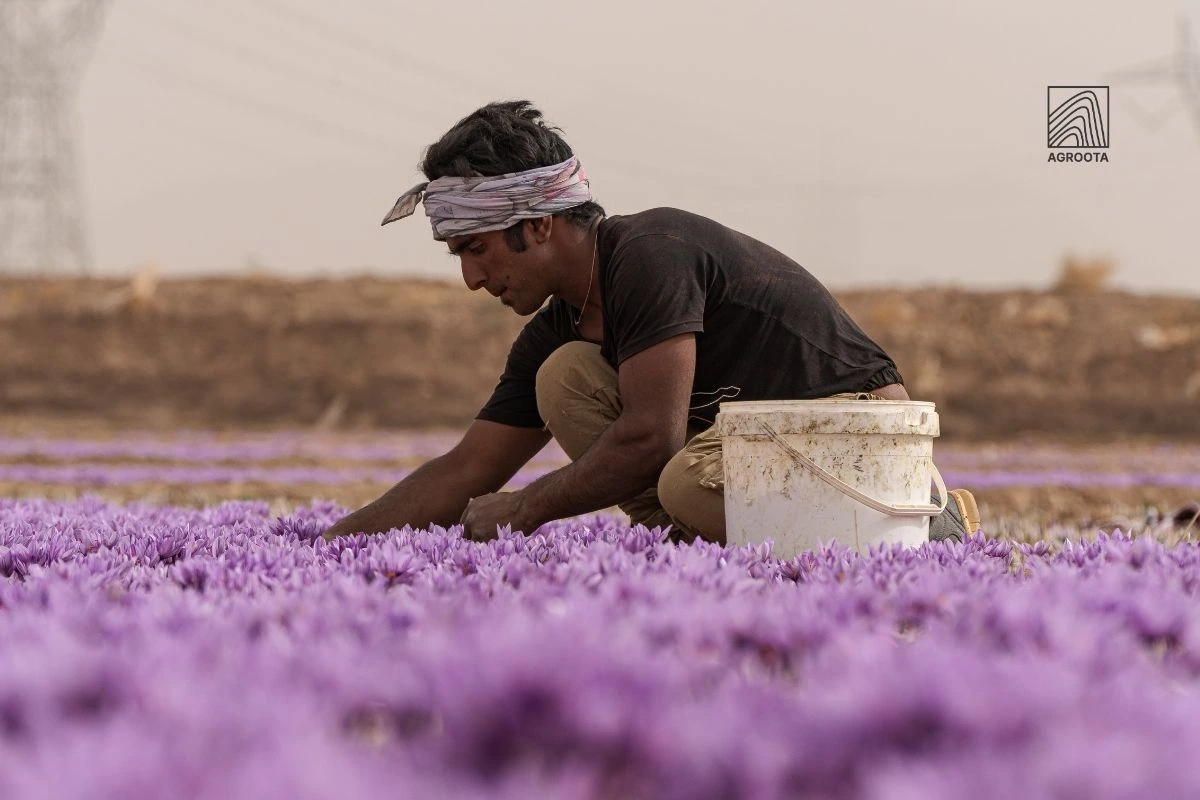
Saffron harvesting is still mostly done by hand because the flowers and threads are too delicate for rough mechanical handling. Workers need to pick the flowers carefully, remove the red stigmas, and separate them without damaging the threads.
This process is slow, skilled, and labor-intensive, especially for premium grades where appearance, thread length, and cleanliness matter. The amount of manual work behind every kilogram directly increases the final price.
3. The Blooming Season Is Short
Saffron does not bloom throughout the year. The flowering season is short, and farmers have only a limited window to harvest the flowers at the right time. This creates pressure because enough workers must be available during that short period, and bad weather or delays can reduce the final yield. Since saffron supply depends on a brief seasonal harvest, prices can shift from one year to another.
4. The Yield Is Very Low
Even when a saffron field looks full of flowers, the final dried saffron output is still small. Farmers need land, labor, water, drying facilities, storage, and careful handling, but the finished product may only be a limited number of kilograms. This low yield makes saffron very different from common spices that can be produced in much larger volumes. It is one of the clearest reasons global saffron price stays high.
5. Drying and Processing Affect Quality
After harvesting, saffron threads must be dried properly to preserve their color, aroma, and flavor. If the threads are under-dried, they may lose quality during storage. If they are over-dried or handled poorly, they can lose aroma and strength. This is why two batches from the same country or even the same harvest can have different prices. Good processing protects the value of the saffron, while poor processing lowers it.
6. Grade Makes a Big Difference
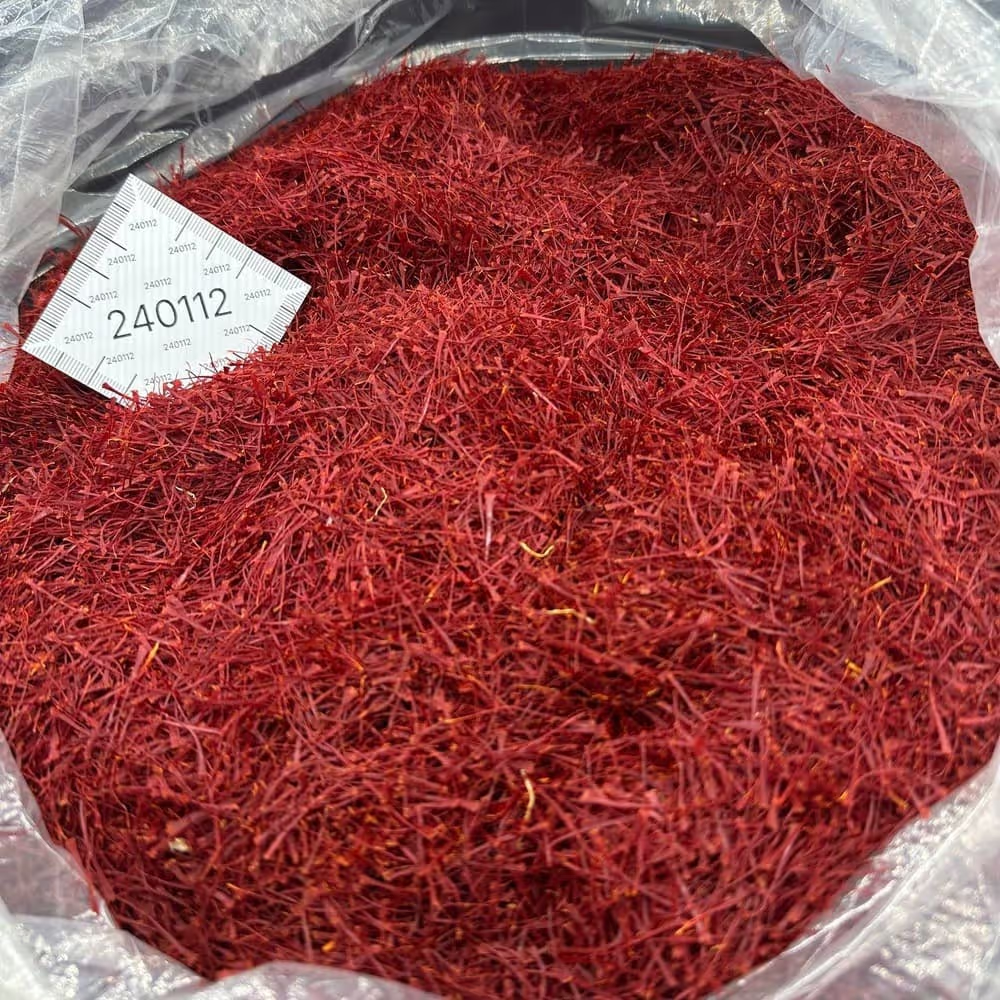
Not all saffron is priced the same because grade has a major impact on quality and value. Premium grades usually contain more deep red stigma, longer threads, stronger aroma, and cleaner appearance. Lower-cost grades may include more yellow or orange parts, shorter threads, or mixed material.
For example, Super Negin and Negin are usually priced higher because of their visual quality and strength, while Pushal and Bunch saffron are often more affordable. For bulk saffron buyers, grade matters because it affects price, product positioning, and customer expectations.
7. Origin Influences Price
Saffron is grown in several regions, including Iran, Afghanistan, India, Spain, Greece, and Morocco. Origin can influence price because each region has different production costs, harvest volume, climate conditions, export rules, and market reputation. Iran is the largest saffron-producing country, while Kashmir saffron is often positioned as rare and premium, and Spanish saffron has strong culinary recognition. Still, origin alone is not enough. Buyers should also check grade, freshness, lab testing, moisture level, aroma, and batch details.
8. Counterfeit Saffron Increases the Value of Real Saffron
Because saffron is expensive, it is often adulterated or sold in low-quality forms. Fake saffron may include dyed plant fibers, mixed flower parts, old threads, artificial coloring, or diluted saffron powder. Ground saffron is especially risky because it is harder to inspect visually. This is why pure, traceable, quality-checked saffron often costs more. Buyers are not only paying for color and aroma; they are also paying for authenticity and confidence.
How Expensive Is Saffron?
Saffron price changes depending on grade, origin, harvest year, testing, packaging, order size, and market demand. Retail prices are usually much higher per gram, while bulk saffron prices are quoted by kilogram.
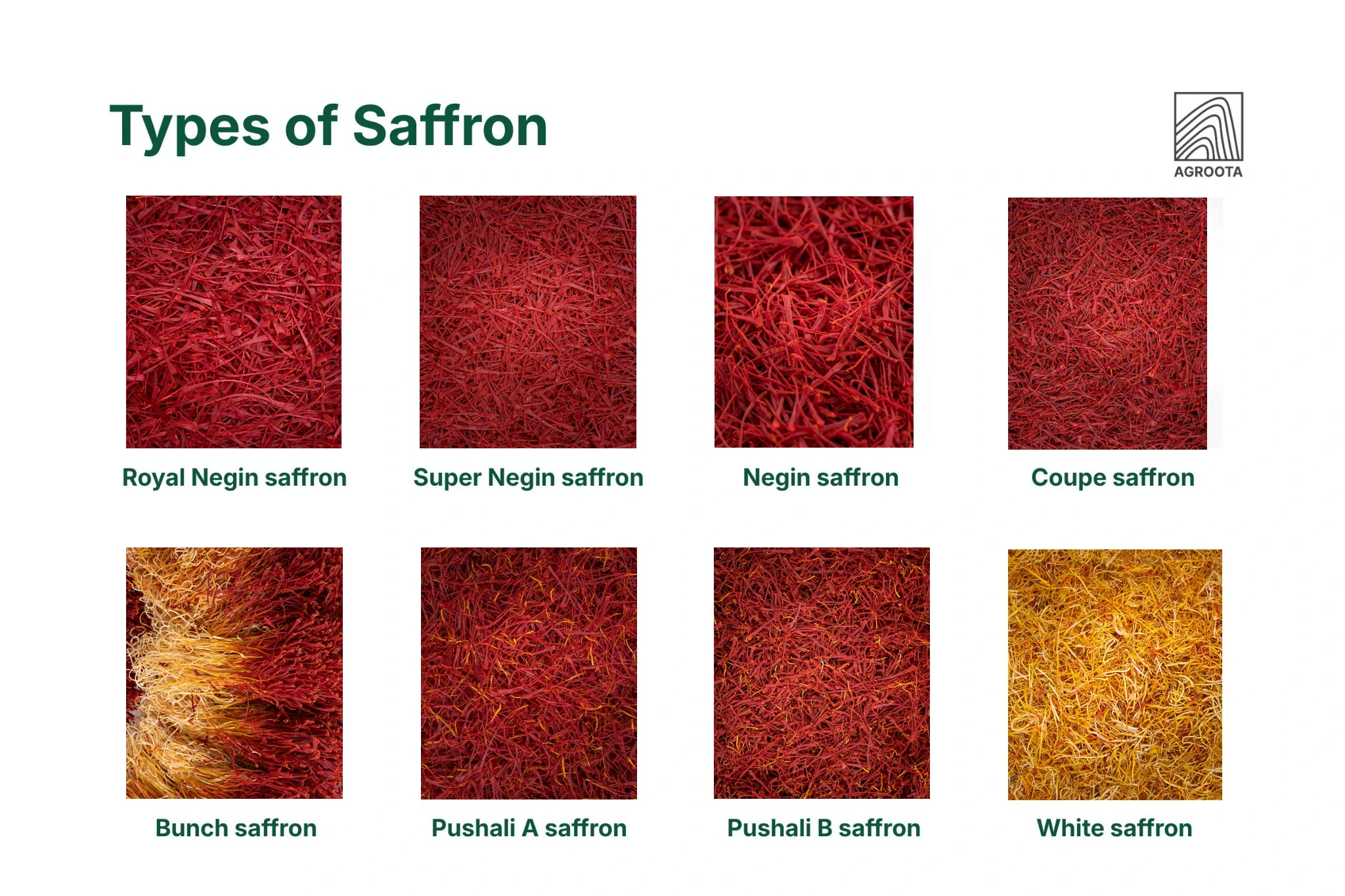
Here is a simple price guide for buyers comparing different grades of saffron:
- Royal Negin: $2050 – $2370 per kg
- Super Negin: $1910 – $2250 per kg
- Negin Saffron: $1860 – $1880 per kg
- Coupe Saffron (Sargol): $1745 – $1795 per kg
- Pushali A Saffron: $1645 – $1710 per kg
- Pushali B Saffron: $1552 – $1605 per kg
- Bunch Saffron: $1488 – $1498 per kg
- White Saffron: $240 – $250 per kg
These numbers are general market ranges, not fixed prices. The actual saffron price per kg in the USA can change based on import costs, certifications, batch quality, packaging, and supplier margins.
For bulk buyers, the lowest price is not always the best deal. A cheaper batch may have weaker aroma, lower color strength, more yellow parts, higher moisture, or authenticity risks.
Is Saffron Expensive Compared With Gold?
People often ask whether saffron is more expensive than gold. By weight, high-quality saffron can sometimes be compared with precious materials, especially at retail prices.
But the better comparison is this: saffron is expensive because it behaves more like a rare agricultural luxury product than a normal kitchen spice.
It requires huge manual effort, produces low yield, and loses value if it is poorly harvested, dried, stored, or mixed.
Want to compare real saffron prices for the Indian market? Check our latest saffron price in India by grade and request a bulk quote based on available batches.
Why a Small Amount of Saffron Is Enough
The good news is that you do not need much saffron.
A few threads can color and flavor a dish when used properly. The best way to use saffron is to bloom it first. Lightly crush the threads, add warm water, milk, broth, or rosewater, and let it steep before adding it to food.
This releases more color and aroma, so you get better performance from a small amount.
That matters because saffron is expensive, but it is not used like salt, pepper, cumin, or paprika. It is used in small amounts.
Where to Buy Quality Saffron
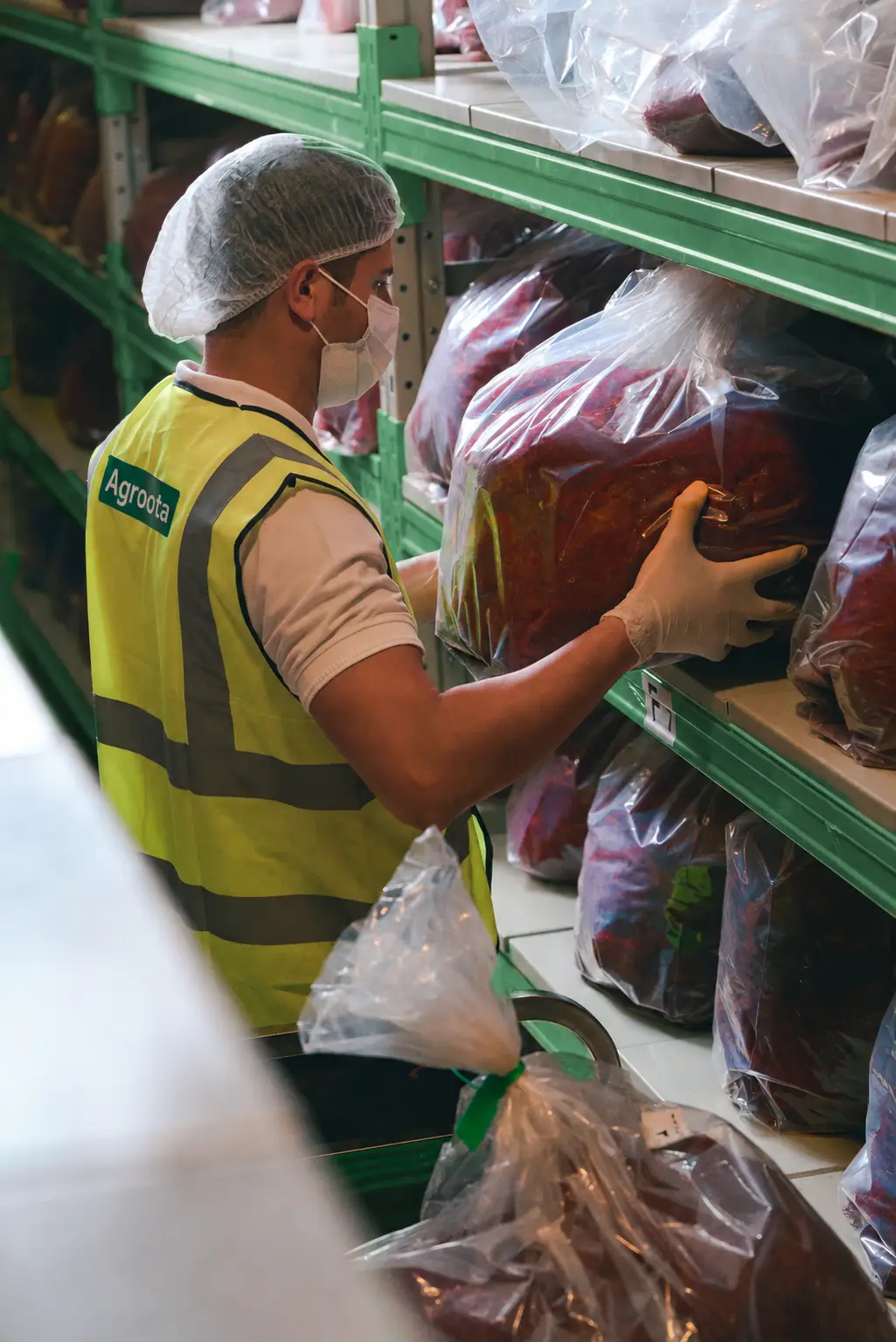
For bulk buyers or food brands, Agroota provides verified saffron, allowing you to check grades, origin, lab reports, and current USA wholesale prices. This helps avoid low-quality or adulterated batches.
Common Questions About Saffron Price
Is saffron really worth the price?
Yes. Because authentic saffron is incredibly potent, you only need a tiny pinch (about 10 to 15 strands) to flavor and color an entire dish. A single gram can last a home cook for multiple meals, making the cost per dish surprisingly low.
How can I spot fake saffron?
Real saffron smells sweet (like hay and honey) but tastes metallic or slightly bitter—never sweet. If you drop a strand in warm water, genuine saffron will slowly turn the water a deep, golden yellow while the thread itself stays bright red. If the water turns red instantly or the thread loses its color, it is fake.
Why is bulk saffron cheaper than retail?
Buying bulk saffron reduces packaging, handling, and individual shipping costs. Food manufacturers, cosmetic brands, and restaurants always buy in larger quantities to get the best wholesale rates.
Looking to Source Saffron in Bulk?
Compare saffron types, review available batches, and source wholesale saffron for your business based on current supply availability.
Need Current Bulk Saffron Pricing?
View indicative wholesale saffron price ranges by type, or learn how Agroota helps businesses source saffron in bulk.


.svg)

.webp)


