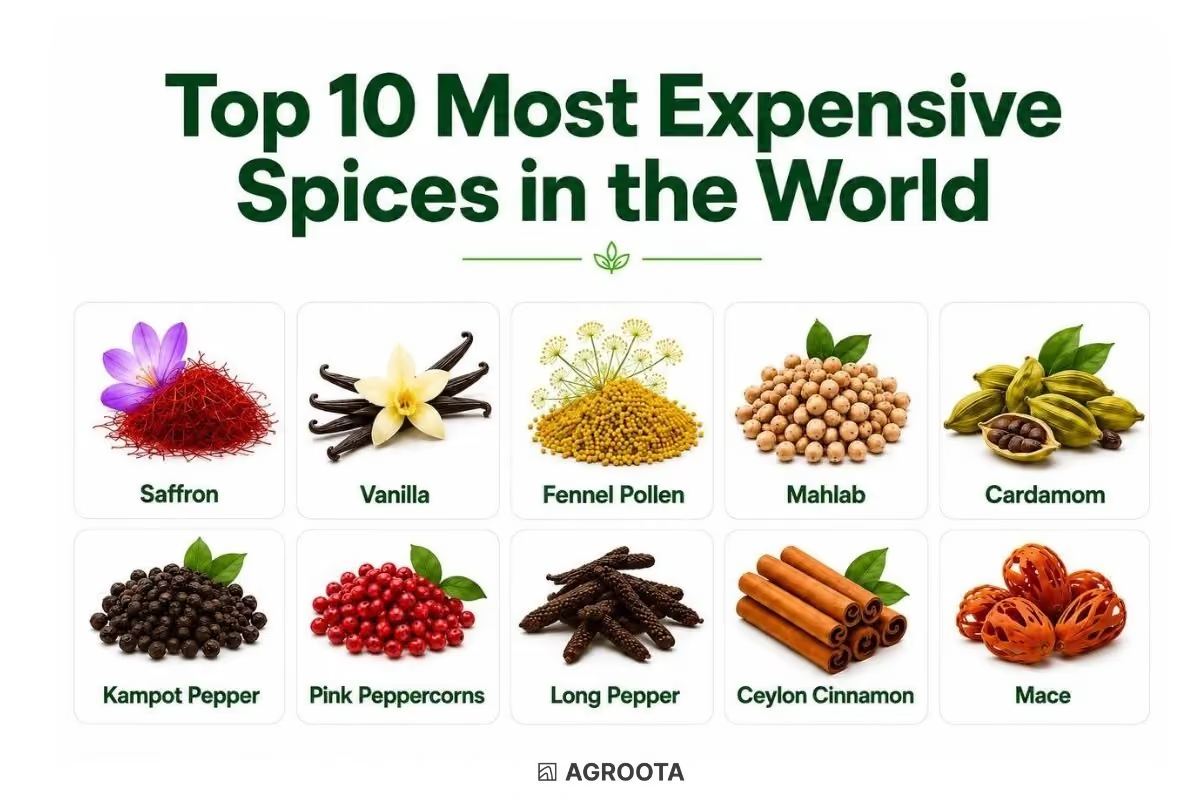
Saffron is widely considered the most expensive spice in the world, mainly because every tiny red thread has to be harvested by hand from the Crocus sativus flower. But saffron is not the only luxury spice. Real vanilla, fennel pollen, cardamom, Kampot pepper, long pepper, Ceylon cinnamon, and mace can also command high prices depending on quality, origin, and how they are sold.
Top 10 most expensive spices in the world
- Saffron — Approx. Price: $930–$984 per pound
- Vanilla — Approx. Price: $100–$300+ per pound
- Fennel Pollen — Approx. Price: $20–$30 per ounce
- Mahlab — Approx. Price: $5–$6 per ounce
- Cardamom — Approx. Price: $40–$100+ per pound
- Kampot Pepper — Approx. Price: $70–$150+ per pound
- Pink Peppercorns — Approx. Price: $20–$25 per pound
- Long Pepper — Approx. Price: About $5 per ounce
- Ceylon Cinnamon — Approx. Price: $27–$30 per pound
- Mace — Approx. Price: $3–$9 per ounce
1. Saffron
Approximate price: about $800 to $1,100 per pound, depending on quality, origin, and grade. Some sources also show very high kilo prices for premium saffron.
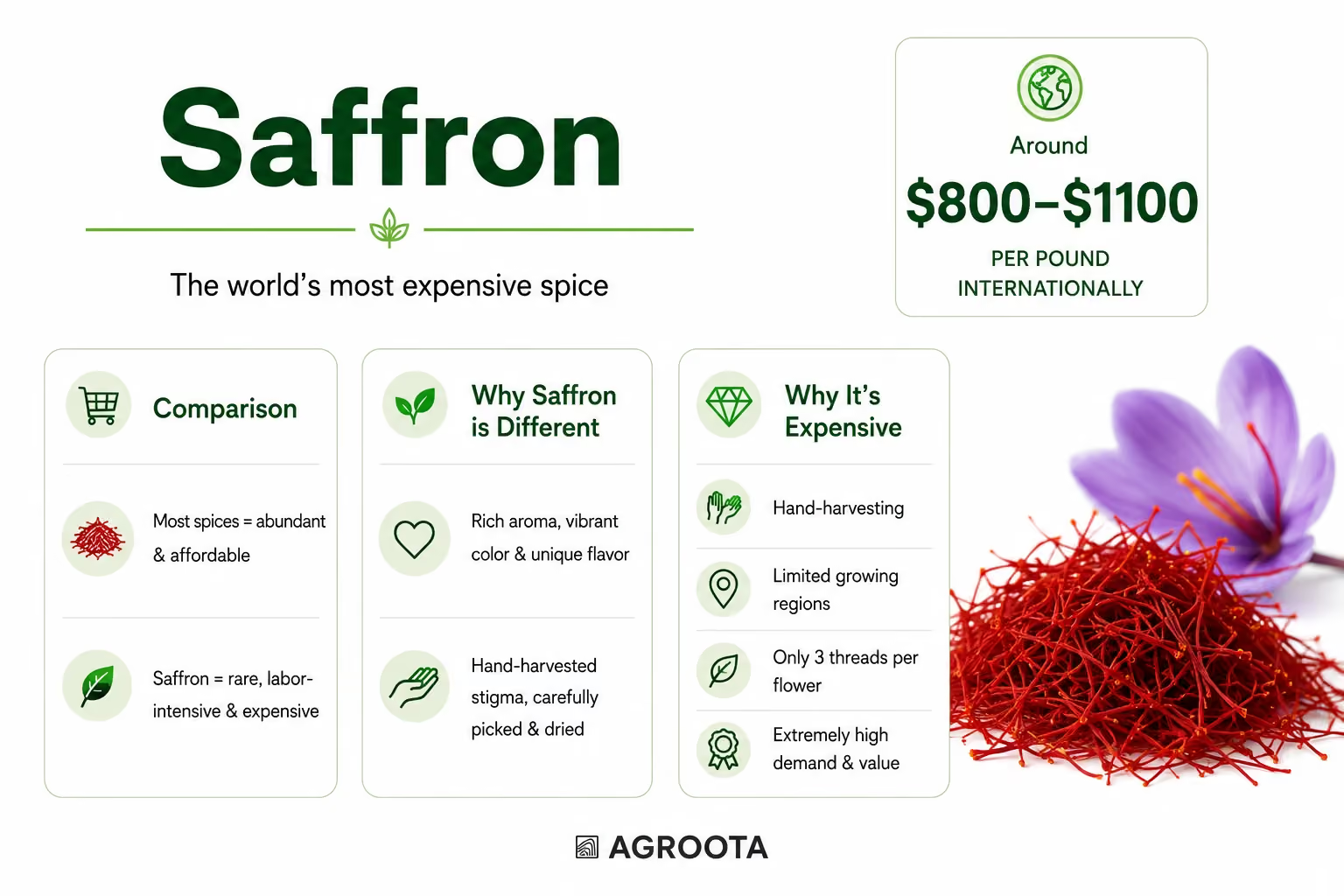
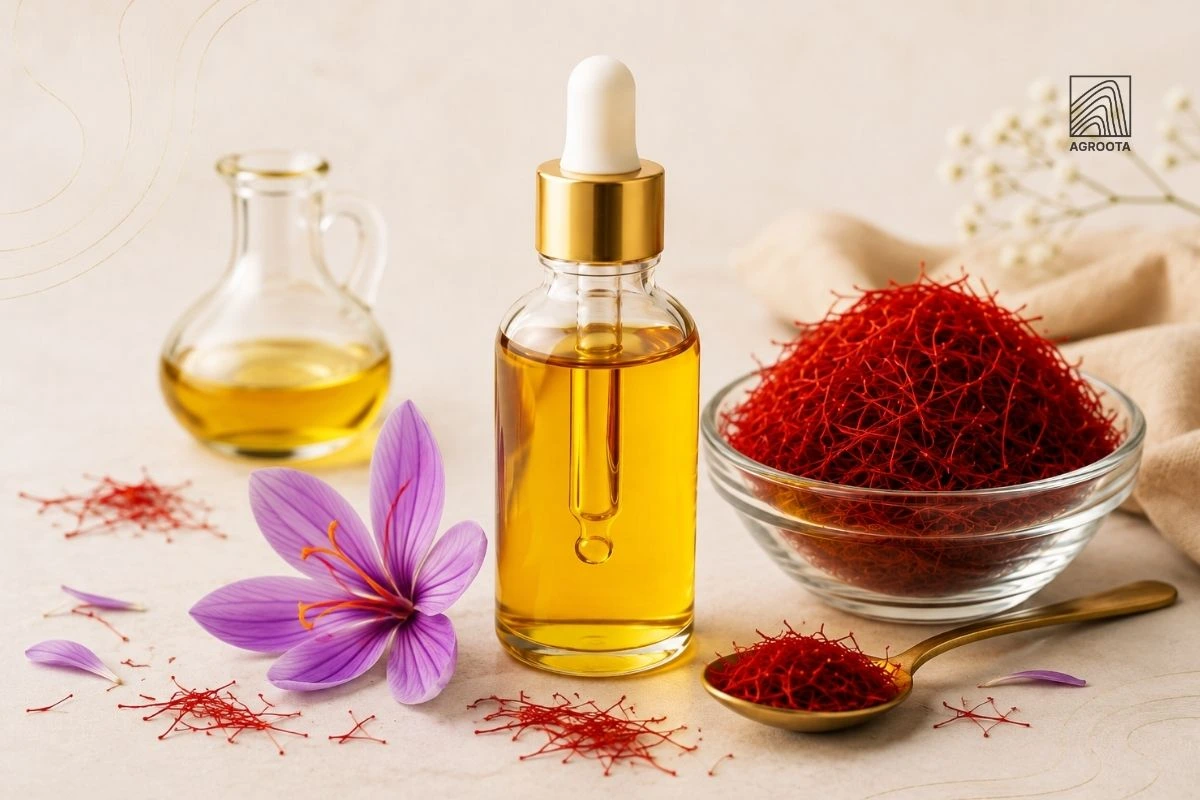
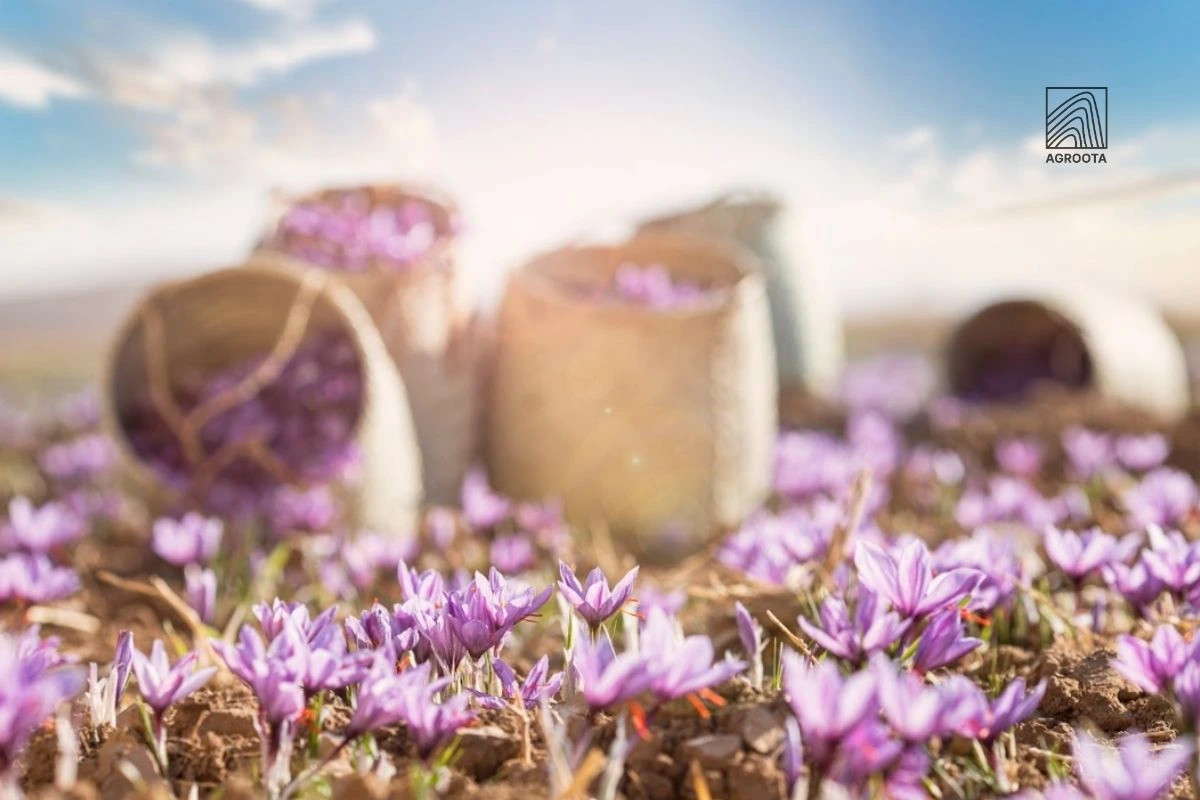
Saffron is the king of expensive spices. It comes from the red threads inside the Crocus sativus flower. Each flower gives only a few tiny threads, and workers have to pick them by hand.
That’s the big reason saffron costs so much. You need a huge number of flowers to make even a small amount of saffron. Some sources say it can take more than 150,000 flowers to produce one kilogram of saffron, which explains why it is often called “red gold.” This is also why saffron wholesale prices can still be high compared with many everyday spices.
Saffron is used in dishes like paella, risotto, biryani, Persian rice, desserts, and teas. It gives food a golden color, a deep aroma, and a warm floral taste. If you are buying it for the first time, the saffron taste is one of the easiest ways to understand whether the spice is fresh and high quality.
New to saffron? Start with our guide on “what is saffron” to understand its origin, uses, and value before exploring why it is the most expensive spice in the world.
2. Vanilla
Approximate price: around $100 to $300+ per pound at retail, though premium vanilla can go much higher depending on type and origin. Some market overviews also place vanilla at 600 to 1,000 euros per kilo.
Most people think vanilla is cheap because vanilla flavor is everywhere.
But real vanilla is very different from artificial vanilla flavoring.
Real vanilla comes from an orchid. The plant is difficult to grow, and in many places, the flowers need to be pollinated by hand. After that, the beans need a long curing process before they get that rich, sweet smell everyone knows.
This is why real vanilla beans cost much more than artificial vanilla flavoring.
Why it’s expensive:
It needs careful growing, hand pollination, slow curing, and a lot of manual work.
3. Fennel Pollen
Approximate price: around $20 to $30 per ounce, depending on quality and seller. Some expensive-spice lists place it around $300 to $500 per pound.
Fennel pollen is one of those spices that sounds simple until you see how little you get from the plant.
It comes from the tiny flowers of the fennel plant. The flavor is strong, sweet, slightly licorice-like, and very aromatic. Chefs love it because just a small pinch can change a dish completely.
The problem is that collecting pollen is slow and delicate. You don’t get much from each flower, so the price goes up fast. Times of India lists fennel pollen among the most expensive spices because of its rare and labor-heavy harvesting process.
Why it’s expensive:
Very small yield, careful collection, and strong demand from chefs.
4. Mahlab
Approximate price: around $5 to $6 per ounce, depending on freshness, origin, and whether it is sold whole or ground.
Mahlab, sometimes written as Mahleb, is made from the seeds inside the pits of St. Lucie cherries. It is popular in Middle Eastern, Mediterranean, Greek, Turkish, and Armenian baking.
The flavor is hard to describe in one word. It tastes a little like almond, cherry, flowers, and warm spice mixed together.
Mahlab is expensive because the seeds have to be taken from hard cherry pits, then dried and ground. It is not used everywhere, so supply is limited compared with common spices like cinnamon or black pepper.
Why it’s expensive:
Small supply, slow processing, and niche demand.
5. Cardamom
Approximate price: usually around $40 to $100+ per pound in many retail listings, with some premium products priced higher.
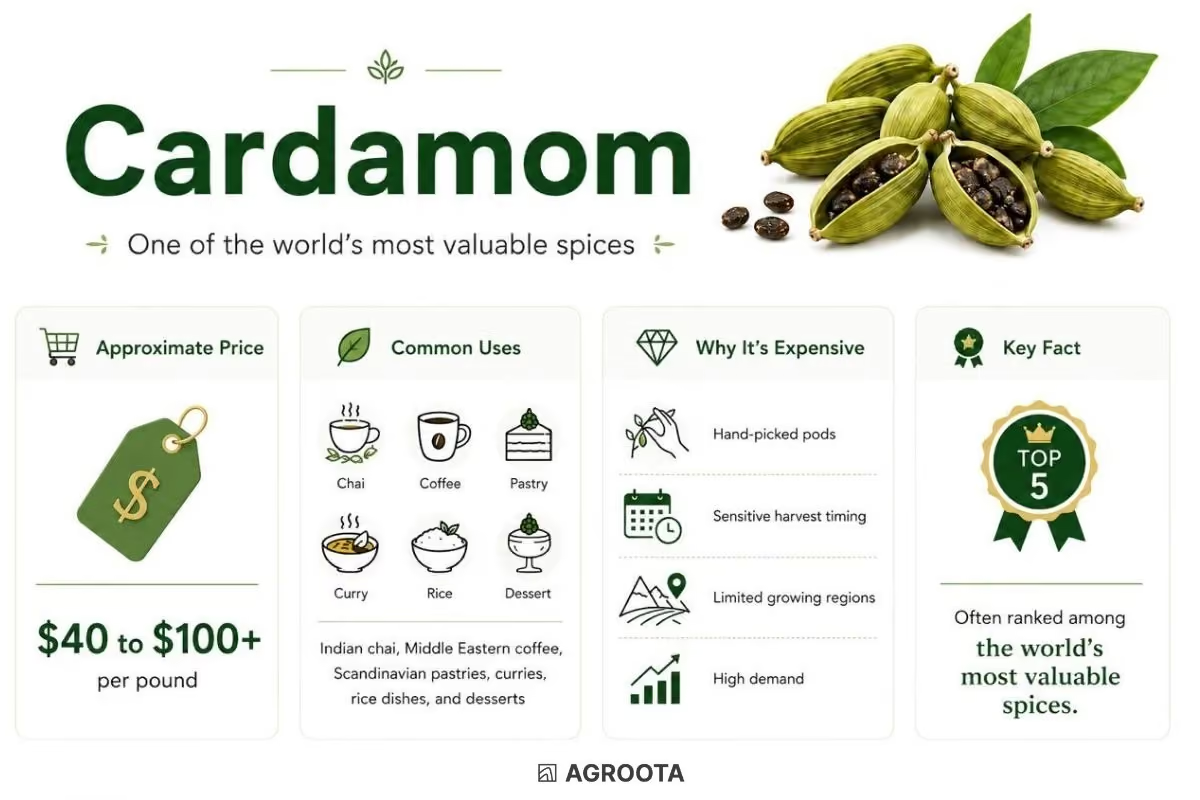
Cardamom is one of the most valuable spices in the world, especially green cardamom. It is used in Indian chai, Middle Eastern coffee, Scandinavian pastries, curries, rice dishes, and desserts.
Cardamom pods are usually picked by hand, and timing matters. If picked too early or too late, the flavor is not the same. That careful harvesting makes it more expensive than many everyday spices. Michelin’s guide describes cardamom as the third most expensive spice after saffron and vanilla, while other lists place it slightly lower depending on the price data used.
Why it’s expensive:
Hand-picked pods, delicate flavor, limited growing regions, and high demand.
6. Kampot Pepper
Approximate price: around $70 to $150+ per pound at specialty retail level, depending on color, grade, and packaging. Producer-level prices can be much lower, so retail pricing varies a lot.
Kampot pepper is not your normal black pepper.
It comes from the Kampot region in Cambodia and is known for its clean, floral, slightly fruity flavor. What makes it special is that real Kampot pepper is protected by geographical indication status, which means it has to come from a specific place and follow certain production standards.
That makes it more than just “pepper.” It is a luxury ingredient with a strong sense of place, almost like Champagne or Parmigiano Reggiano.
Why it’s expensive:
Limited growing area, protected origin, high quality standards, and strong demand from chefs.
7. Pink Peppercorns
Approximate price: around $20 to $25 per pound, though specialty retail packs can cost much more per ounce.
Pink peppercorns look like regular peppercorns, but they are actually not true peppercorns. They are dried berries from Brazilian or Peruvian pepper trees.
Their flavor is softer than black pepper. They taste fruity, lightly sweet, a little peppery, and slightly floral. That makes them popular in salads, seafood, creamy sauces, chicken dishes, desserts, and even cocktails.
Pink peppercorns are also delicate. They are usually used whole or lightly crushed, not heavily ground like black pepper. That fragile texture, pretty color, and gourmet feel make them more expensive than everyday pepper.
Why it’s expensive:
Delicate berries, specialty sourcing, lower mainstream supply, and strong demand in gourmet cooking.
8. Long Pepper
Approximate price: around $5 per ounce, or about $80 per pound, depending on origin and seller.
Long pepper looks strange at first. It is not round like black pepper. It looks more like a tiny dark cone.
The flavor is warmer and deeper than regular pepper. You can get notes of cinnamon, nutmeg, anise, and earthiness. That’s why it feels more complex than basic black pepper. Times of India lists long pepper among expensive spices and describes it as more intense and layered than regular black pepper.
Long pepper used to be much more popular in ancient cooking, but today it is harder to find. That rarity makes it interesting for a modern “most expensive spices” article.
Why it’s expensive:
Lower availability, old-world appeal, complex flavor, and limited mainstream production.
9. Ceylon Cinnamon
Approximate price: around $27 to $30 per pound internationally, with premium retail products sometimes priced higher.
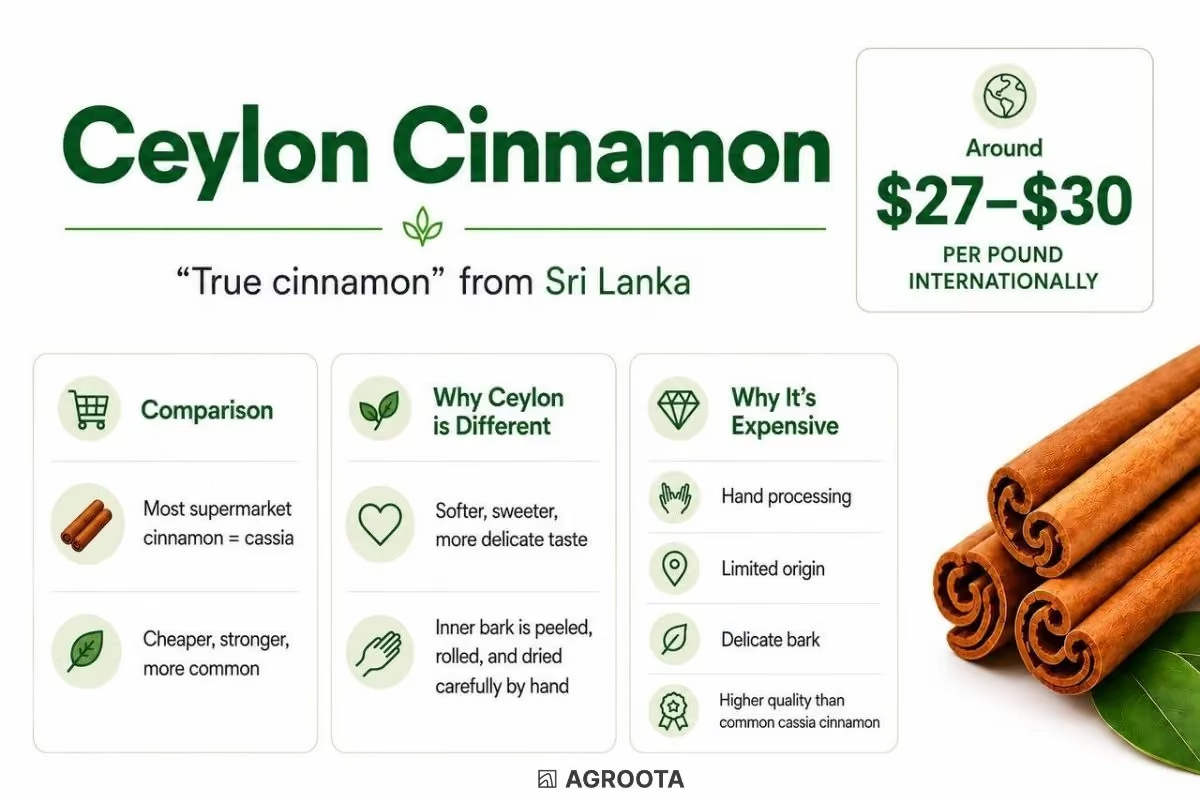
Most cinnamon in supermarkets is actually cassia, which is cheaper and stronger.
Ceylon cinnamon is different. It is often called “true cinnamon” and mostly comes from Sri Lanka. It has a softer, sweeter, more delicate taste. Producing it takes skill because the inner bark is peeled, rolled, and dried carefully by hand.
Many people think cinnamon is always cheap, but Ceylon cinnamon is different from common cassia cinnamon. It is more delicate, harder to process, and usually more expensive.
Why it’s expensive:
Hand processing, limited origin, delicate bark, and higher quality than common cassia cinnamon.
10. Mace
Approximate price: around $3 to $9 per ounce, or about $50 to $140 per pound, depending on quality, format, and quantity.
Mace comes from the same fruit as nutmeg, but it is not the same spice.
It is the thin, lace-like red covering around the nutmeg seed. Once dried, it turns orange or yellowish and gives a warm, slightly peppery, citrusy flavor.
Mace is often more expensive than nutmeg because there is less of it, and it has to be carefully separated and dried. It is used in baked goods, soups, sauces, meat dishes, and spice blends.
Why it’s expensive:
Small yield, delicate processing, less supply than nutmeg, and a more refined flavor.
Where can you buy the most expensive spice in the world?
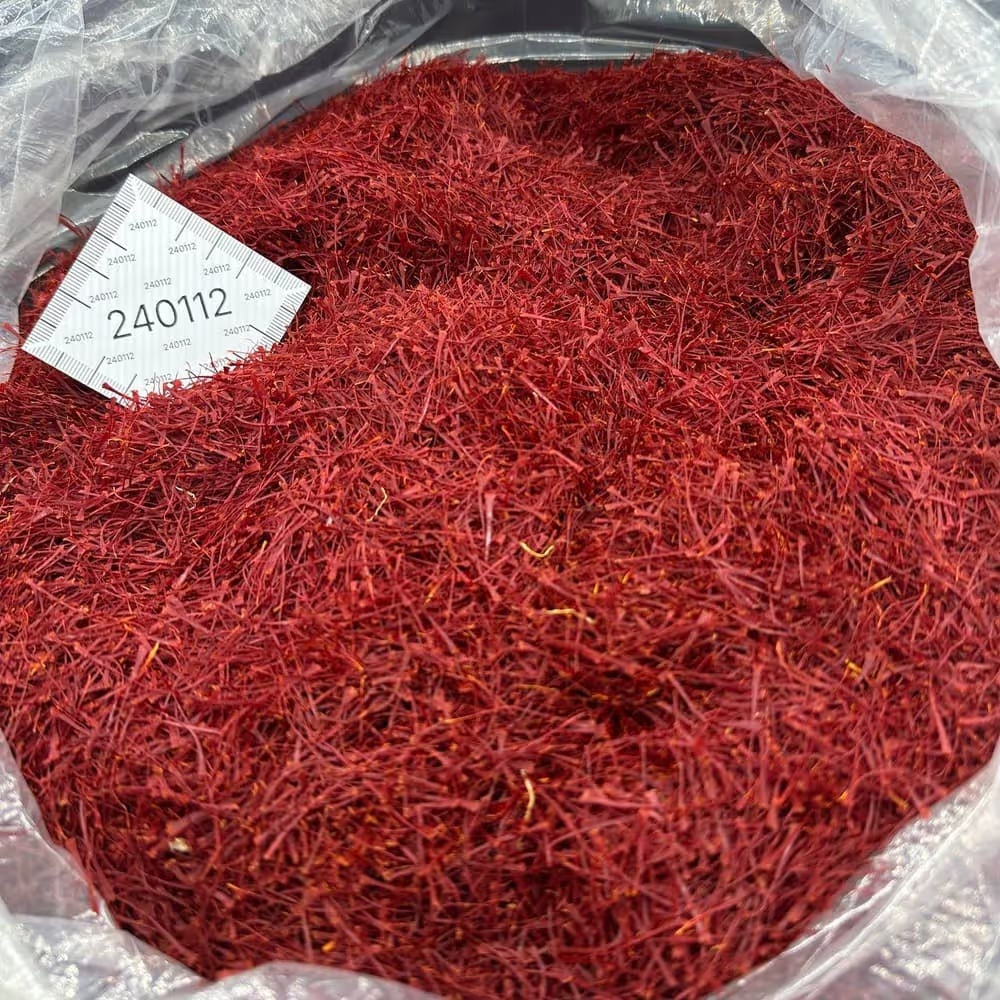
You can buy high-quality saffron from Agroota, a saffron sourcing platform built for buyers who want transparency, variety, and reliable bulk supply. Agroota offers different Persian saffron types, including Royal Negin, Super Negin, Negin, Coupe, Pushali, Bunch, and White saffron, with live price ranges so buyers can compare options before ordering.
What makes Agroota a strong choice is that you can compare saffron batches side by side, check quality details, and choose the type that fits your needs. Whether you are buying saffron for wholesale, retail, food production, or export, Agroota makes the sourcing process easier and more transparent.
You can also request a saffron sample before placing a larger order, which helps you inspect the aroma, color, texture, and overall quality before buying.
Planning to buy saffron in larger quantities? Check our kesar price before choosing the right grade.
FAQ
Why Are Some Spices So Expensive?
Most expensive spices have one thing in common: they are difficult to produce. Some come from tiny flower parts. Some need hand-pollination. Some need long drying or curing. Some grow only in specific climates. Others are expensive because they are rare, trendy, or used by high-end chefs. In simple words: the harder it is to grow, pick, dry, and protect a spice, the more expensive it becomes.
Are Expensive Spices Worth It?
Sometimes, yes.
The good thing is that expensive spices are usually powerful. You don’t need a lot. A few saffron threads can color and flavor a whole pot of rice. A little fennel pollen can finish a dish. One vanilla bean can make a dessert taste much richer than artificial flavor. But you don’t need to buy all of them. If you want to try just one, start with saffron or real vanilla. They are expensive, but they make a clear difference.
Is saffron really more expensive than gold?
Not usually.
Saffron is more expensive than gold by everyday cooking weight in some claims, but by actual market price, gold is usually higher per ounce. Saffron is often called “red gold,” but it is not usually more expensive than real gold by weight.
What is the second most expensive spice?
The second most expensive spice is usually vanilla, especially real vanilla beans. Vanilla is expensive because it is difficult to grow, often hand-pollinated, and takes a long time to cure.
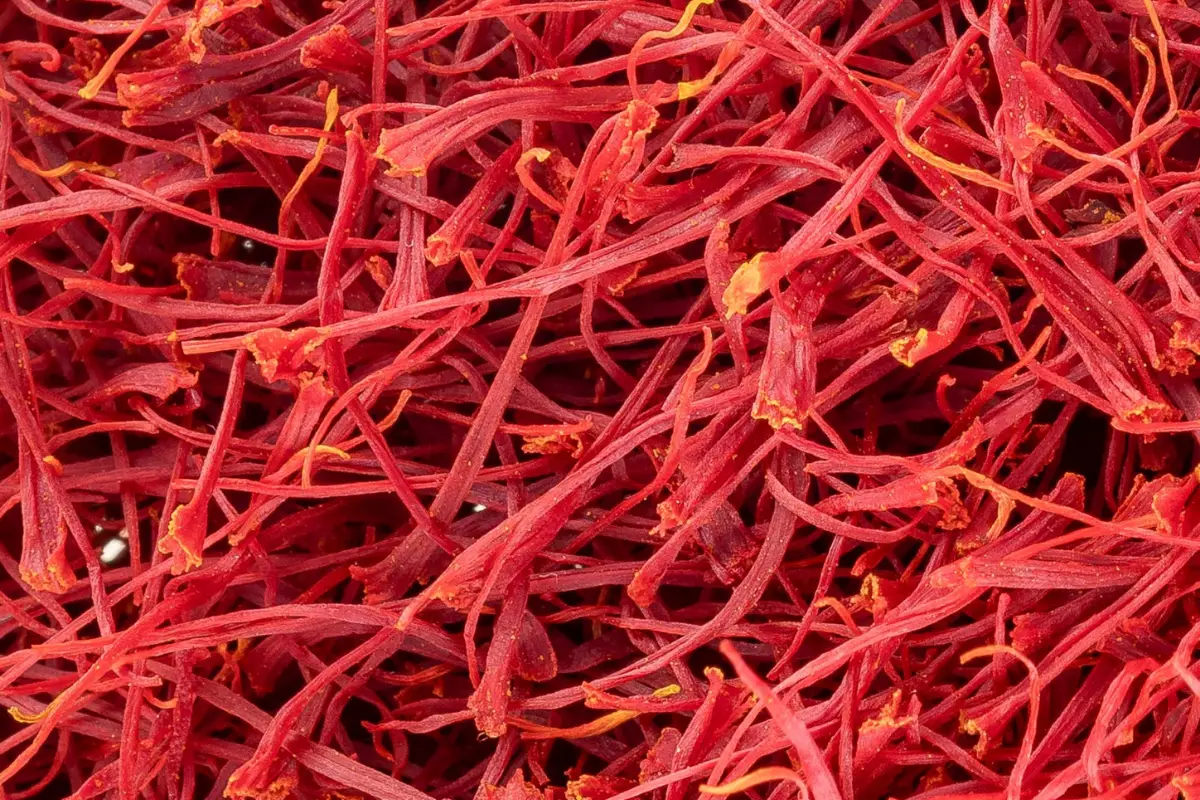
Looking to Source Saffron in Bulk?
Compare saffron types, review available batches, and source wholesale saffron for your business based on current supply availability.
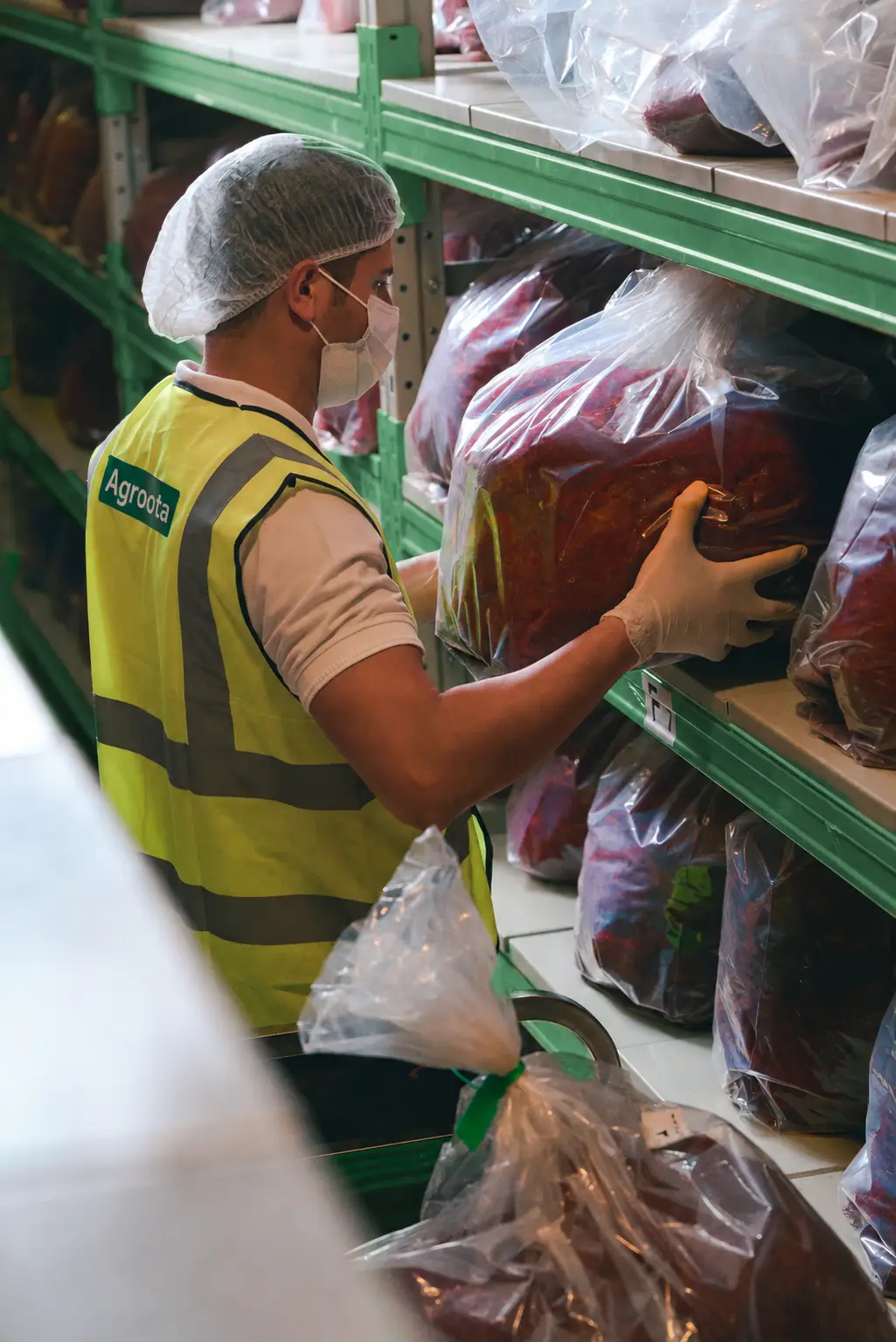
Need Current Bulk Saffron Pricing?
View indicative wholesale saffron price ranges by type, or learn how Agroota helps businesses source saffron in bulk.


.svg)

.webp)


