
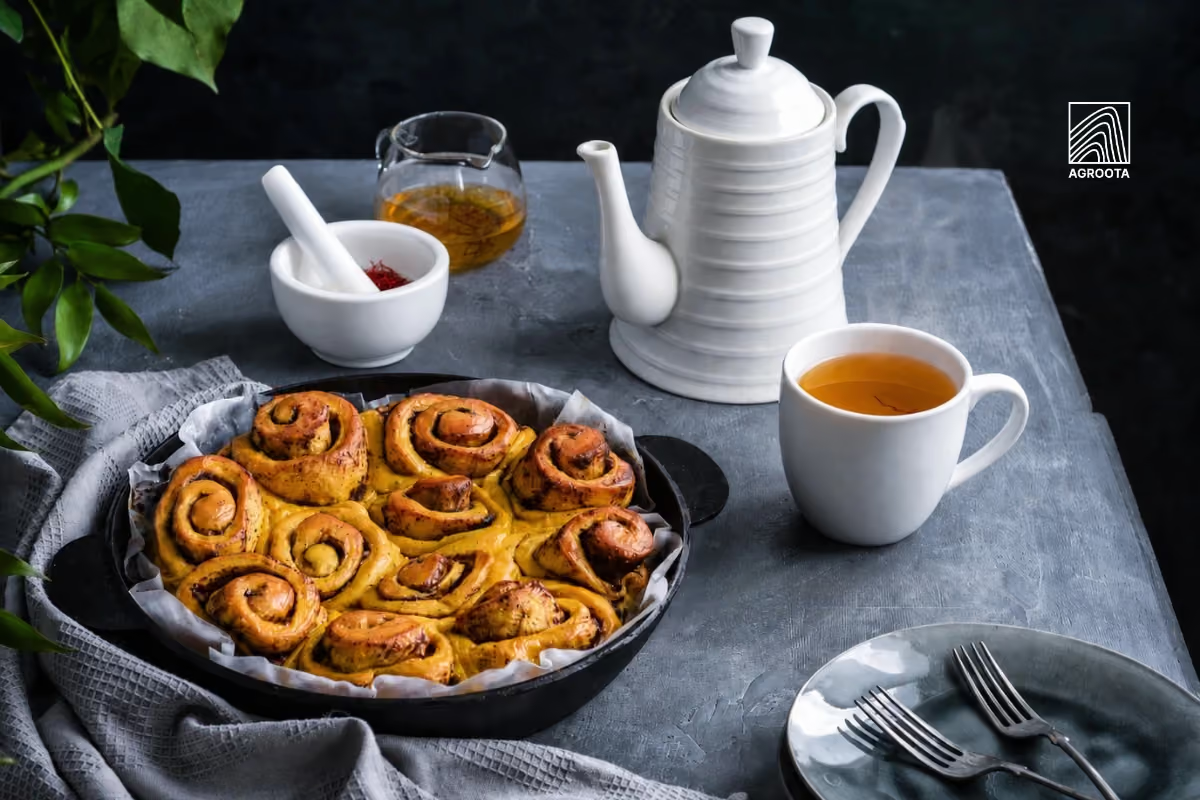
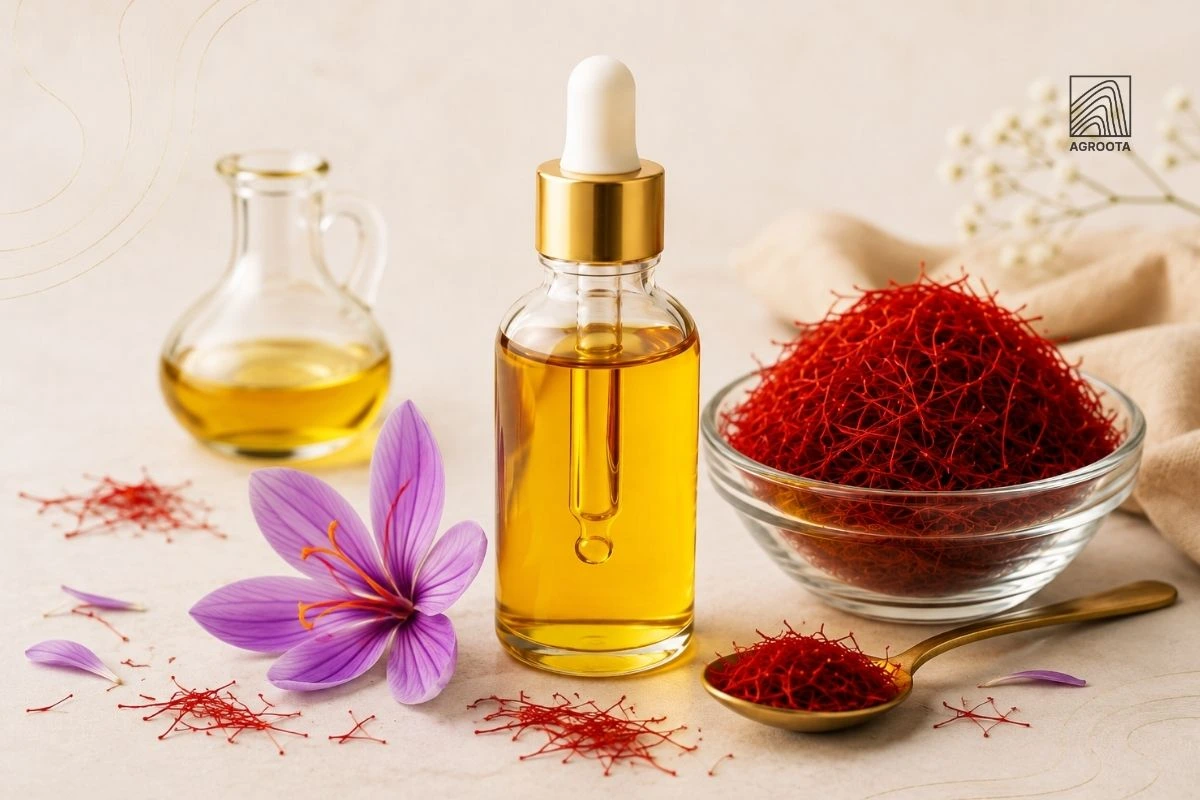
Saffron is widely known as the most expensive spice in the world, not just because of its price, but because of the complexity of its compounds. When saffron threads come into contact with hot water, they release crocin, safranal, and picrocrocin; the compounds responsible for saffron tea's golden color, distinctive aroma, and gentle flavor. That sensory experience is exactly what customers at restaurants, cafés, and tea bars are paying for.
Saffron tea is a warm, herbal, caffeine-free beverage made by steeping saffron threads in hot water. Its versatility, pairing equally well with black tea, green tea, chai, warm milk, or fruit infusions, makes it one of the most adaptable additions to any hot beverage menu.
Top Saffron Tea Benefits for Overall Health
The health benefits of saffron tea make this golden herbal drink a premium choice for wellness menus, cafés, restaurants, and customers searching for a naturally caffeine-free beverage.
1. Mood Support and Relaxation
A meta-analysis of clinical trials found that saffron may play a supportive role in reducing certain symptoms associated with low mood. Saffron tea, as a gentle, dietary form of this compound, can be a meaningful addition to a daily relaxation routine, and a compelling story to tell on a menu.
2. Naturally Caffeine-Free
One of saffron tea's key competitive advantages over other warm beverages is the complete absence of caffeine. This makes it an ideal choice for evening service, customers with caffeine sensitivity, and any wellness-oriented menu positioning.
3. Natural Antioxidants
Crocin and crocetin, two of saffron's primary compounds, are well-documented antioxidants that have shown notable properties in laboratory studies. This gives saffron tea a credible scientific foundation for positioning it as a functional beverage on café and tea bar menus.
4. Sleep Quality Support
For many people, the challenge isn't just unwinding at the end of the day, it's actually getting restful sleep. Saffron tea, particularly as a caffeine-free evening drink, has attracted growing interest in this area.
A randomized, double-blind, placebo-controlled trial published in the Journal of Clinical Sleep Medicine (2020) found that adults with self-reported sleep difficulties who took a standardized saffron extract over 28 days showed meaningful improvements in sleep quality scores compared to the placebo group.
Researchers believe safranal — the compound responsible for saffron's distinctive aroma — may play a role here, given its known interaction with GABA receptors in the brain, which are involved in relaxation and sleep regulation.
It's worth noting that most studies have used concentrated saffron extracts rather than brewed tea specifically, and more research is still needed. That said, a warm cup of saffron tea in the evening aligns naturally with what many cultures have practiced for centuries: using saffron as a gentle, calming ritual before sleep.
5. Anti-Inflammatory Properties
Beyond its antioxidant activity, saffron has attracted growing research interest for another related area: its potential role in helping the body manage inflammation.
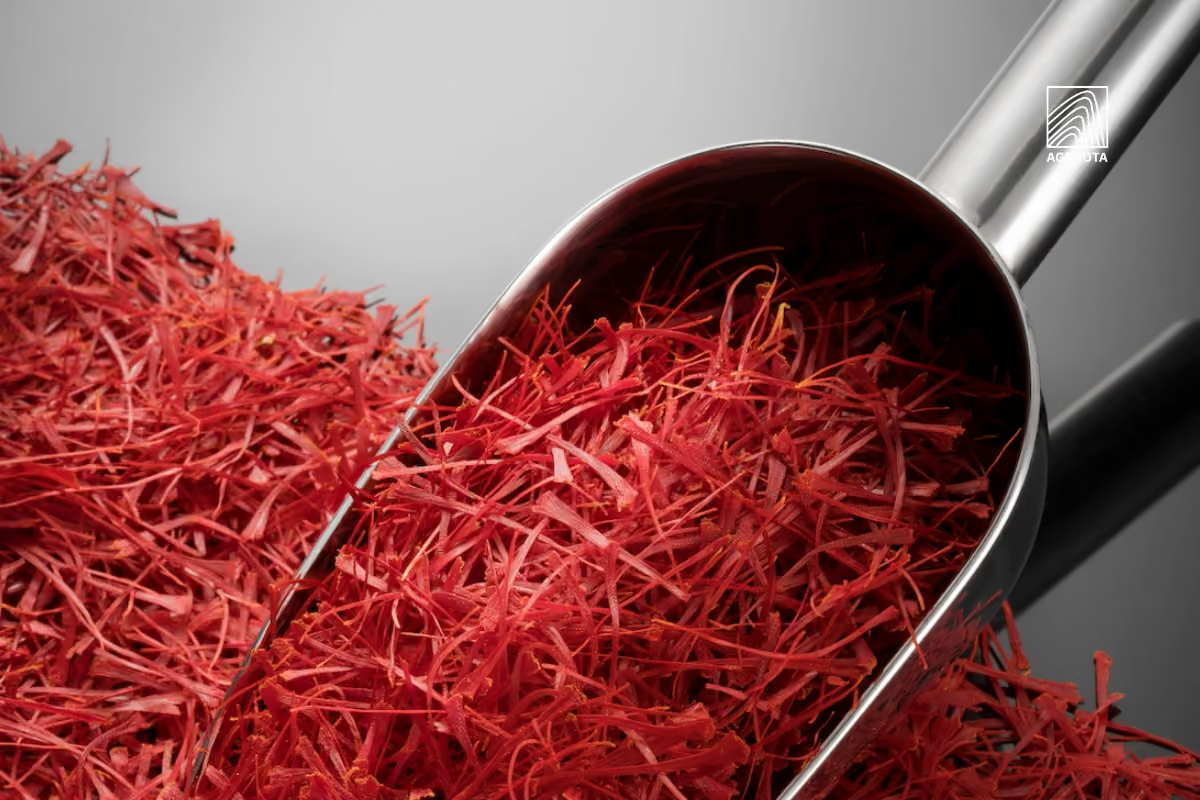
The key compounds in saffron, crocin, crocetin, and safranal, are the same ones responsible for its color, aroma, and flavor. Studies suggest these compounds may also help reduce certain markers of inflammation in the body.
A 2023 review published in Physiological Reports, which looked at both human and animal studies, found that saffron and its active ingredients appeared to work largely by calming inflammatory responses and neutralizing harmful free radicals.
This is still an active area of research, and saffron tea should not be seen as a remedy for any inflammatory condition. What these findings do suggest, though, is that the same compounds that make saffron tea visually striking and aromatically unique may also contribute something meaningful to a daily wellness routine, beyond what's immediately visible in the cup.
Saffron Tea Benefits for Female Wellness
Saffron tea is often valued by women as a gentle, caffeine-free herbal drink that can fit naturally into a daily wellness routine. For women looking for a warm evening beverage, a calming alternative to coffee, or a functional drink with a premium feel, saffron tea offers both comfort and a strong natural story.
One of the most discussed benefits of saffron for female wellness is its potential role in mood balance and emotional well-being. Some studies suggest that saffron may help support mood, which can be especially relevant for women who experience emotional changes related to daily stress, hormonal fluctuations, or monthly cycles. While saffron tea should not be seen as a treatment, it can be positioned as a soothing, natural drink that supports relaxation and self-care.
Saffron is also known for its antioxidant compounds, including crocin and crocetin. These natural compounds help give saffron its rich golden color and are part of what makes saffron tea appealing to wellness-focused consumers. For women interested in beauty, balance, and natural daily rituals, saffron tea can be presented as a premium herbal beverage with a clean and elegant wellness image.
Because saffron tea is naturally caffeine-free, it is also suitable for evening routines, post-dinner menus, and customers who prefer to avoid stimulants. This makes it a strong option for cafés, restaurants, spas, and wellness brands looking to offer a refined herbal drink for female customers.
Saffron Tea Benefits for Male Wellness
Saffron tea can also be a valuable addition to men’s wellness routines, especially for those looking for a natural, caffeine-free drink that supports relaxation, balance, and overall well-being. With its premium image and rich history, saffron tea offers a more elevated alternative to standard herbal teas.
For men dealing with busy work schedules, stress, or mental fatigue, saffron tea can be positioned as a calming drink for the end of the day. Research on saffron has explored its potential role in supporting mood and emotional balance, making it an interesting ingredient for consumers who are looking for natural ways to unwind. As a warm herbal beverage, saffron tea can become part of a simple daily routine for relaxation and recovery.
Saffron’s natural antioxidant compounds may also appeal to men who are interested in long-term wellness and functional foods. Crocin and crocetin, two key compounds found in saffron, are widely discussed for their antioxidant properties. This gives saffron tea a credible wellness angle for customers who care about what they drink, not just how it tastes.
Another advantage is that saffron tea contains no caffeine. For men who want to reduce coffee intake, avoid late-day caffeine, or choose a lighter beverage after meals, saffron tea offers a premium and naturally caffeine-free option. This makes it suitable for restaurants, hotels, wellness cafés, and home use.
How to Make Saffron Tea? (The Base Recipe)
Making saffron tea is simple, but preparing it the right way makes a noticeable difference in its color, aroma, and flavor. Because saffron is a delicate spice, it should not be boiled directly or exposed to very high heat for too long. If you're new to saffron, understanding saffron taste before brewing helps set the right expectations. Its flavor is floral and subtly earthy, with a gentle warmth that pairs naturally with honey, cardamom, or warm milk.
The best method is to bloom the saffron first, then brew it gently with hot water or warm milk. Blooming helps release saffron’s natural golden color, floral aroma, and rich flavor before it is added to the final drink.
This simple step can turn a basic saffron drink into a more aromatic, premium, and well-balanced tea. Whether you are making classic saffron tea, saffron milk tea, Karak tea, Kashmiri tea, iced saffron tea, or even saffron bubble tea, the base preparation starts the same way: bloom first, then brew gently.
Ingredients (one serving):
- 5–10 saffron threads
- 200ml water at 80–90°C (176–194°F)
- Optional: honey, rock candy, cardamom, cinnamon, ginger, lemon, or milk
Method:
- Start by blooming the saffron. Place the saffron threads in a small amount of lukewarm water, or put them over an ice cube and let the color slowly release. This step helps bring out saffron’s natural golden color, aroma, and flavor before brewing.
- Next, add hot water. Avoid boiling water directly over saffron, as very high heat may reduce its delicate aroma. A temperature below 90°C is usually ideal for preserving saffron’s signature fragrance.
- Let the tea steep for 5–10 minutes, until the water turns a deep golden color. Then add honey, rock candy, lemon, cardamom, cinnamon, ginger, or milk, depending on your preferred flavor.
- This is the simplest saffron tea recipe and works well as a base for many other saffron drinks.
Different Types of Saffron Tea
Saffron tea can be prepared in different styles depending on taste, culture, and serving occasion. From classic hot saffron tea to milk-based, iced, and café-style versions, saffron is flexible enough to work in both traditional and modern drinks.
Classic Saffron Tea
Classic saffron tea is made with saffron threads and hot water. It has a light golden color, a floral aroma, and a delicate earthy taste. Many people enjoy it with honey, rock candy, or a slice of lemon.
This version is ideal for people who want a simple, caffeine-free herbal drink.
Saffron Tea with Milk
Saffron tea can also be made with warm milk for a richer and creamier drink. To make it, first bloom the saffron, then add warm milk instead of water or mix both together.
You can add cardamom, cinnamon, honey, or a little sugar for a smoother flavor. This version is popular as an evening drink because it feels warm, comforting, and premium.
Saffron Karak Tea
Saffron Karak tea is a stronger, milk-based tea commonly enjoyed in the Gulf region. It usually combines black tea, milk, sugar, cardamom, and saffron.
To make saffron Karak tea, brew black tea with cardamom, add milk and sugar, then add bloomed saffron near the end. This gives the tea a richer color and a more aromatic finish.
Saffron Karak is ideal for cafés, restaurants, and tea menus because it feels familiar, flavorful, and premium.
Kashmiri Saffron Tea
Kashmiri saffron tea, also known as Kahwa, is a traditional aromatic tea often made with green tea, saffron, cardamom, cinnamon, and almonds.
To prepare it, steep green tea with spices, then add bloomed saffron and garnish with sliced almonds. Some versions also include rose petals or honey.
This tea has a lighter, elegant flavor and is often served as a warming, fragrant drink.
Iced Saffron Tea
Saffron tea can also be served cold. First, prepare the base saffron tea with hot water and let it steep properly. After cooling, pour it over ice and add lemon, honey, mint, or orange slices.
Iced saffron tea is a refreshing option for summer menus, hotel welcome drinks, wellness cafés, and premium non-alcoholic beverage menus.
Saffron Bubble Tea
For a modern café-style drink, saffron can be used in bubble tea. Prepare saffron milk tea by combining bloomed saffron with milk, black tea or green tea, and a light sweetener. Then serve it with tapioca pearls or popping boba.
Saffron bubble tea is a creative way to turn a traditional spice into a modern, premium drink, especially for cafés targeting younger customers or specialty beverage menus.
Best Times to Serve Saffron Tea
Morning: Saffron Tea with Honey and Lemon
A simple saffron tea with honey and lemon can be a gentle, aromatic way to start the day. It feels light, bright, and naturally caffeine-free.
After Meals: Saffron Tea with Cardamom and Ginger
After lunch or dinner, saffron tea can be served with cardamom and ginger for a warm, aromatic finish. This blend works well as a lighter alternative to coffee or heavy dessert drinks.
Afternoon: Saffron Masala Chai
For afternoon service, saffron masala chai pairs beautifully with dates, cookies, pastries, or light desserts. It gives cafés and tea menus a richer, more familiar saffron drink option.
Evening: Saffron Tea with Warm Milk and Honey
In the evening, saffron tea with warm milk and honey creates a smooth, comforting, caffeine-free drink. It works especially well for post-dinner menus, hotel service, and relaxing wellness routines.
Daily Consumption: How Much, and for Whom
For most healthy adults, one to two cups of saffron tea using a standard amount (5–10 threads) per day is considered a moderate, safe intake. However, medical sources caution against high doses; consuming saffron in large quantities or using concentrated saffron supplements without medical advice is not recommended.
Use with caution for:
- Pregnant women: high doses during pregnancy may carry risks, according to a review published in PMC/National Institutes of Health (Saffron extract as an emerging novel therapeutic option in reproduction and sexual health, 2024)
- Those taking mood-related medications or blood thinners: consult a physician before regular consumption
- Children: avoid large quantities
What Are the Side Effects and Precautions of Saffron Tea?
Saffron tea is generally considered safe when enjoyed in small, food-based amounts, similar to how saffron is traditionally used in cooking and drinks. However, because saffron is a concentrated spice with active natural compounds, drinking it regularly or in large amounts may not be suitable for everyone.
Some people may experience mild side effects such as stomach discomfort, nausea, dry mouth, headache, or drowsiness, especially when saffron is consumed in higher amounts. People who are pregnant, breastfeeding, taking medication, or managing a medical condition should speak with a healthcare professional before using saffron tea as a regular wellness drink.
It is also important to avoid treating saffron tea as a medical solution. While saffron has been studied for mood, antioxidant activity, and other wellness-related areas, saffron tea should be positioned as a natural herbal beverage, not as a treatment or cure for any health condition.
For everyday use, moderation matters. A light saffron tea made with a few strands is very different from taking concentrated saffron supplements or consuming large amounts of the spice.
Can I Drink Saffron Tea Daily?
Yes, many people can drink saffron tea daily when it is prepared in small, moderate amounts. For most home users, this usually means steeping a few saffron threads in hot water, milk, or tea rather than using large quantities.
Daily saffron tea can be a good choice for people looking for a caffeine-free drink to enjoy in the evening, after meals, or as part of a calming wellness routine. Its natural color, delicate aroma, and premium feel also make it a popular alternative to regular herbal teas.
However, daily use should still be moderate. Drinking saffron tea every day does not mean using more saffron for stronger results. With saffron, a small amount is usually enough to create flavor, color, and aroma. People who are pregnant, taking medication, or dealing with a health condition should ask a healthcare professional before making saffron tea part of their daily routine.
For the best experience, saffron tea should be enjoyed as a balanced lifestyle drink: simple, natural, caffeine-free, and used in sensible amounts.
Who should not use saffron tea?
Saffron tea is generally enjoyed as a food-based herbal drink. However, some people should be more cautious before drinking it regularly.
People who are pregnant, taking medication, managing a health condition, or have known allergies should speak with a healthcare professional before adding saffron tea to their daily routine.
This is especially important because saffron is a concentrated spice, and even natural ingredients may not be suitable for everyone in every situation.
How to Store Saffron for Commercial Use?
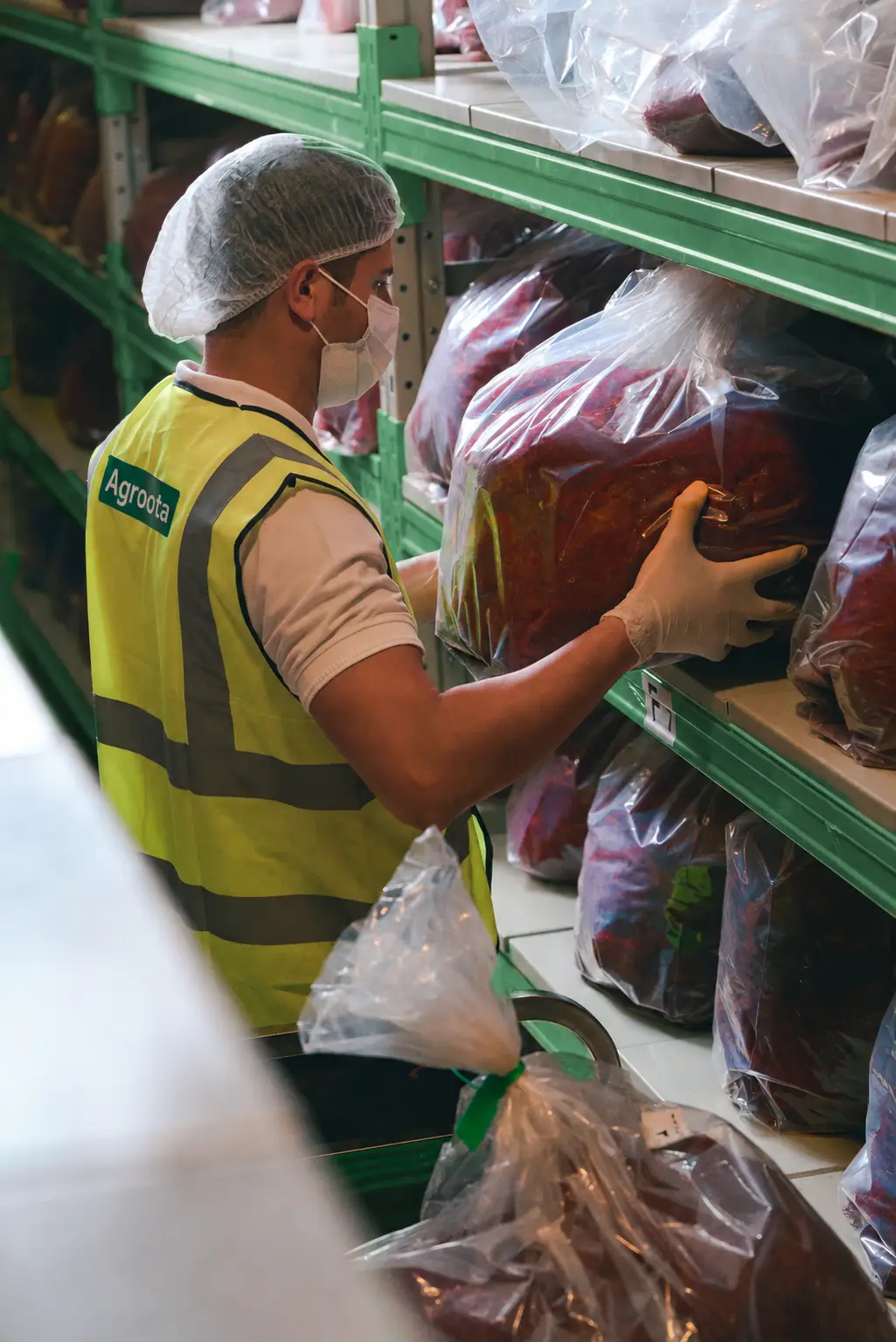
Proper storage is one of the most overlooked aspects of saffron procurement, and one of the most commercially relevant. Saffron that is stored incorrectly loses coloring strength, aroma, and potency over time, which means you're paying for quality you're no longer delivering in the cup.
The four enemies of saffron quality are light, heat, moisture, and air.
For commercial operations, follow these storage principles:
- Container: Store saffron in airtight, opaque containers; glass jars with tight-fitting lids are ideal. Avoid transparent packaging left on open shelves.
- Temperature: Keep saffron in a cool, dry environment. A pantry or dry storage room is sufficient; refrigeration is not necessary, but is acceptable if the container is fully sealed to prevent condensation.
- Light: Direct sunlight or strong artificial light degrades crocin, the compound responsible for color. Store away from windows and heat sources.
- Quantity management: For high-volume operations, consider ordering in smaller, more frequent batches rather than storing large quantities for extended periods. Freshness directly affects the quality of the final beverage.
Properly stored saffron retains its quality for up to two years. However, for commercial use where consistency matters, sourcing from a supplier who can confirm harvest date and batch documentation gives you a meaningful advantage over buying from generic wholesale channels.
Saffron's Active Compounds and Why Quality Matters
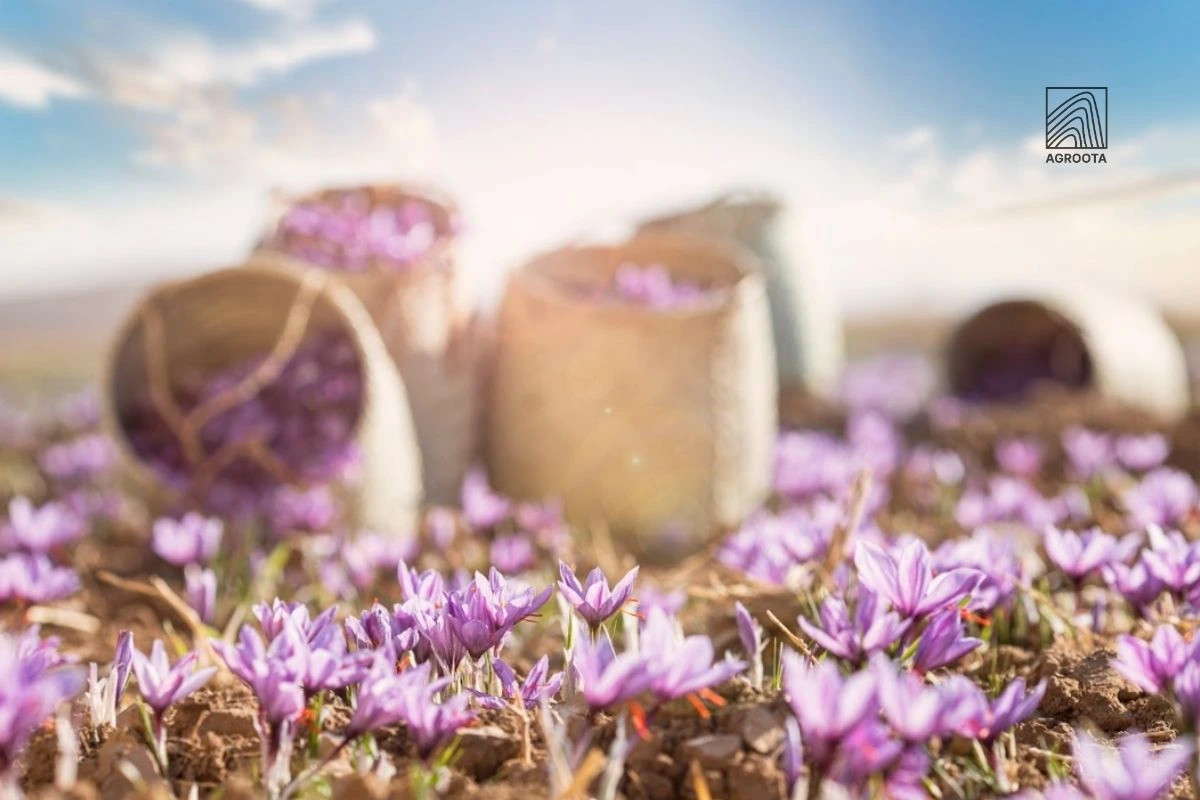
The real value of saffron lies in the quality of its bioactive compounds, not simply its weight or appearance. As we explored in our what is saffron guide, the harvesting process alone hand-picked from each flower during a narrow three-to-four week window, explains much of why this spice commands such a high price. ISO 3632, the international standard for saffron grading, evaluates saffron across three primary markers: color (crocin), aroma (safranal), and flavor (picrocrocin).
Color: Crocin
Crocin is the compound responsible for saffron’s deep golden color. In saffron tea, higher crocin levels help create a richer, brighter cup with stronger visual appeal.
Aroma: Safranal
Safranal gives saffron its distinctive, complex fragrance. This is one of the main reasons high-quality saffron tea feels aromatic, premium, and memorable.
Flavor: Picrocrocin
Picrocrocin contributes to saffron’s mild, pleasant bitterness. It helps balance the floral aroma and gives saffron tea its delicate, layered taste.
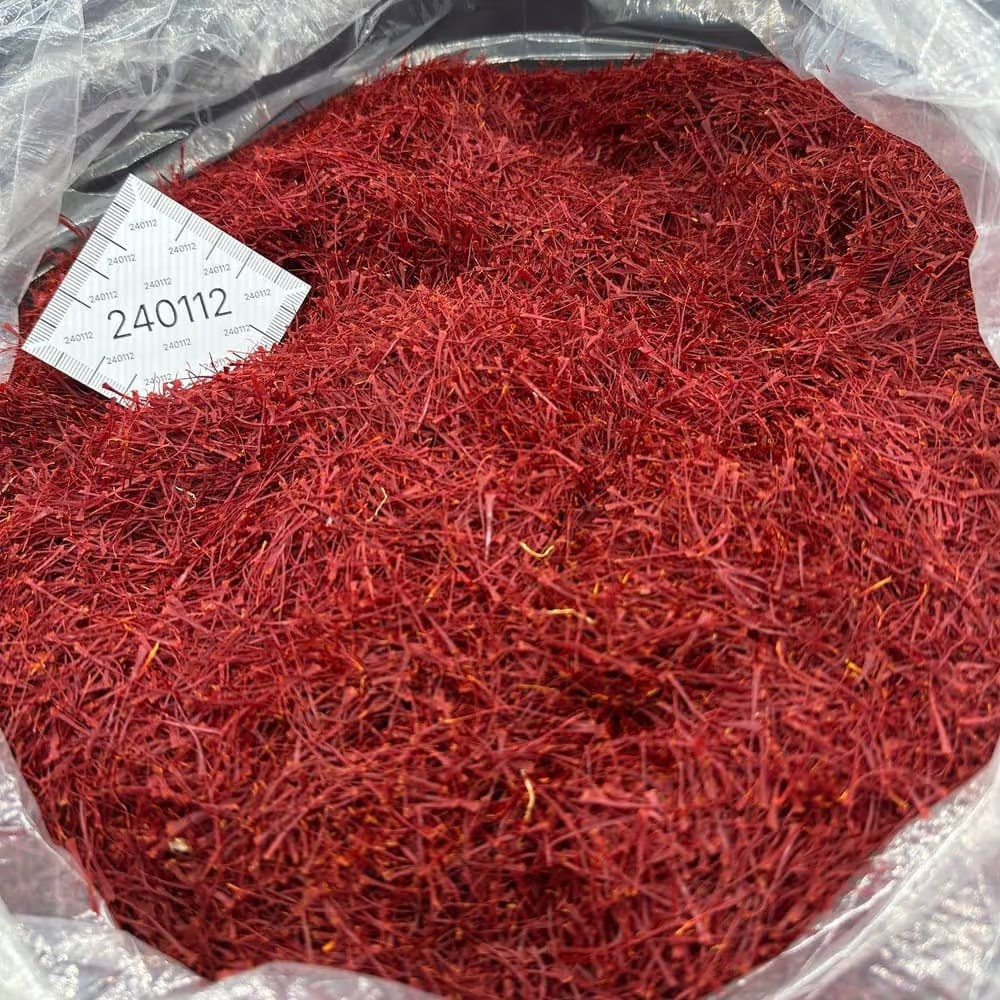
Saffron with a higher coloring strength (above 250 in ISO Class I) not only produces a richer color in the cup; it's also more potent in smaller quantities, meaning the real cost per serving is lower. For businesses operating at volume, this has direct economic implications.
Research confirms that these bioactive compounds are among the primary drivers of saffron's biological effects, including associations with antioxidant activity and general well-being support.
Saffron Types and Their Commercial Applications
Choosing the right saffron grade has a direct impact on beverage quality, actual cost per serving, and customer satisfaction.
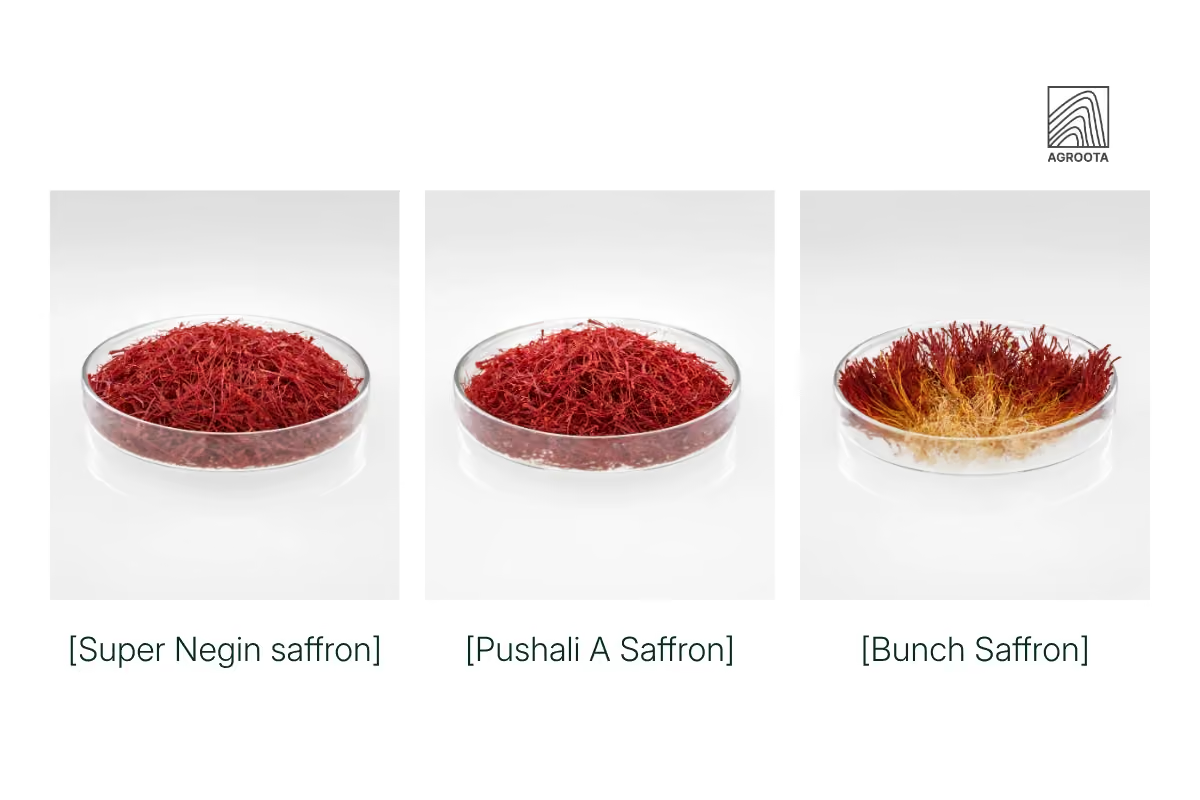
Super Negin / Negin
Super Negin Saffron and Negin saffron are known for their long, uniform threads and deep red color. Their premium appearance makes them a strong choice for luxury packaging, gifting, export, and retail products where visual quality matters as much as aroma and flavor.
Pushal / Bunch
Pushal and Bunch saffron offer an excellent price-to-quality ratio, especially for businesses buying at volume. They are well suited for restaurants, cafés, tea bars, and food manufacturing, where consistent color, aroma, and cost efficiency are key.
The right choice depends on your business model, brand positioning, and consumption volume; not simply on absolute quality. A high-volume café and a luxury gift brand have very different requirements, and both can source excellent saffron for their needs.
Saffron Tea Menu Ideas for Foodservice
Saffron tea's flexibility makes it easy to build out an entire menu category. Here are six formats worth considering:
- Classic Saffron Tea: saffron threads steeped in hot water, served with honey or rock candy
- Saffron Masala Chai: saffron combined with black tea, warm milk, cardamom, and cinnamon
- Saffron & Rose Tea:; a floral combination well-suited to traditional Middle Eastern menus
- Saffron Latte: warm milk base with saffron threads and a touch of honey
- Saffron & Ginger Tisane: ideal for wellness menus and relaxation-focused positioning
- Cold Brew Saffron Tea: a cold-steeped version for summer menus
Each of these formats, with the right branding, can become a signature, high-margin menu item.
Where to Buy Saffron? What Actually Matters in Commercial Sourcing?
For restaurants, cafés, tea bars, food manufacturers, and distributors, buying saffron isn't just a procurement decision; it's a quality control and brand decision. Three criteria every commercial buyer should evaluate:
1. Measurable, verifiable quality Saffron should come with credible certification and documented quality markers against ISO 3632; not just verbal assurances.
2. Supply consistency. Fluctuations in quality or delayed delivery affect your menu, your team, and your customers' trust. A reliable supply chain is non-negotiable.
3. Transparent, competitive pricing. Saffron prices in the market can vary by a factor of three to five. That gap isn't always quality; often it's simply an inefficient supply chain being passed down the line.
Visit the Saffron price in India page to compare current saffron pricing, understand bulk order options, and request a quote based on your required grade and volume.
Agroota: Saffron Supply for Professional Buyers
Most saffron on the wholesale market comes with vague quality claims, inconsistent grading, and pricing that fluctuates without explanation. For a business where the quality of a single ingredient defines the customer's experience, that's not a workable supply model.
Agroota was built specifically for commercial buyers who need more than a product; they need a reliable, transparent, and scalable supply partnership.
Every batch Agroota supplies is graded against ISO 3632 standards with documented quality markers, so you know exactly what you're getting before it reaches your kitchen or production line. There are no surprises in the cup, and no uncomfortable conversations with your team about why this week's saffron looks different from last week's.
With regional warehousing across multiple markets, Agroota reduces lead times and removes the logistical friction that typically comes with sourcing premium saffron internationally. Whether you're a café placing a consistent monthly order, a food manufacturer sourcing at scale, or a retail brand building a private label product, the supply model adapts to your volume and your timeline.
Saffron Tea FAQs: Benefits, Daily Use, and Preparation
1. What is saffron tea good for?
Saffron tea is commonly enjoyed as a caffeine-free herbal drink for relaxation, evening routines, and wellness-focused menus. Its key compounds, including crocin, crocetin, and safranal, are also linked to saffron’s antioxidant activity, golden color, aroma, and premium appeal.
2. Can I drink saffron tea every day?
For most healthy adults, yes. one to two cups daily using a moderate amount of threads is generally considered safe. That said, daily use should still be consistent rather than excessive. Saffron tea works best as part of a balanced routine, not as a concentrated supplement.
3. Does saffron tea have caffeine?
No, pure saffron tea is naturally caffeine-free. This makes it a good option for evening menus, post-dinner service, and customers who want a warm herbal drink without caffeine. However, saffron blends made with black tea, green tea, or chai may contain caffeine.
4. What does saffron tea taste like?
Saffron tea has a delicate floral flavor with subtle earthy and slightly honeyed notes. It's gentle rather than sharp, and carries the same complex aroma that makes saffron distinctive in cooking. Many people enjoy it plain with honey or rock candy, though it pairs equally well with cardamom, cinnamon, or warm milk.
5. Where can I buy high-quality saffron for tea?
For commercial buyers — cafés, restaurants, and food manufacturers — consistent grading and supply reliability matter as much as price. Agroota works exclusively with professional buyers, supplying ISO 3632-certified saffron with full batch documentation and regional stock availability for faster delivery.
6. What is the best time of day to drink saffron tea?
Saffron tea is naturally caffeine-free, which makes it flexible enough for any time of day. Many people prefer it in the evening as a calming wind-down drink, or after meals alongside cardamom or ginger. That said, a light saffron tea with honey and lemon works just as well as a gentle, aromatic start to the morning.
7. How should I store saffron threads at home?
Keep saffron in an airtight, opaque container away from direct light, heat, and moisture. A kitchen cupboard away from the stove works well; refrigeration isn't necessary as long as the container is properly sealed. Stored correctly, saffron threads retain their color, aroma, and potency for up to two years.
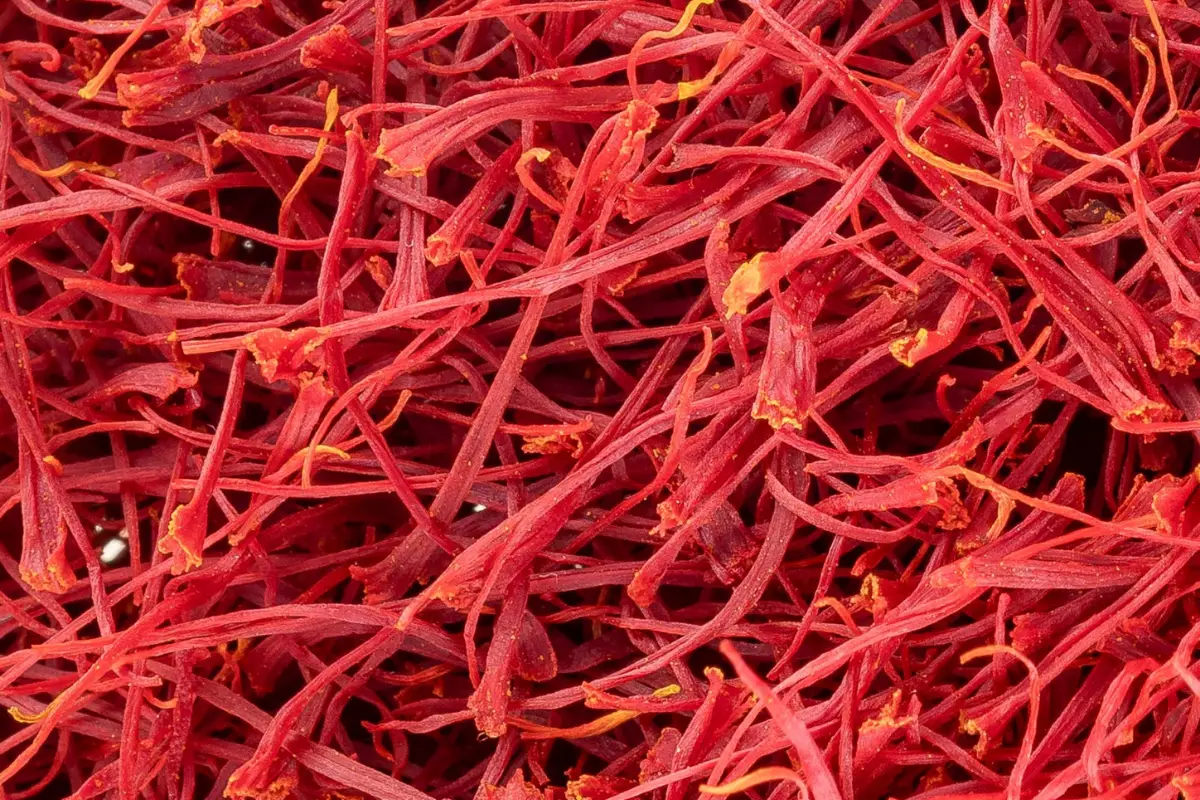
Looking to Source Saffron in Bulk?
Compare saffron types, review available batches, and source wholesale saffron for your business based on current supply availability.
Need Current Bulk Saffron Pricing?
View indicative wholesale saffron price ranges by type, or learn how Agroota helps businesses source saffron in bulk.


.svg)

.webp)


