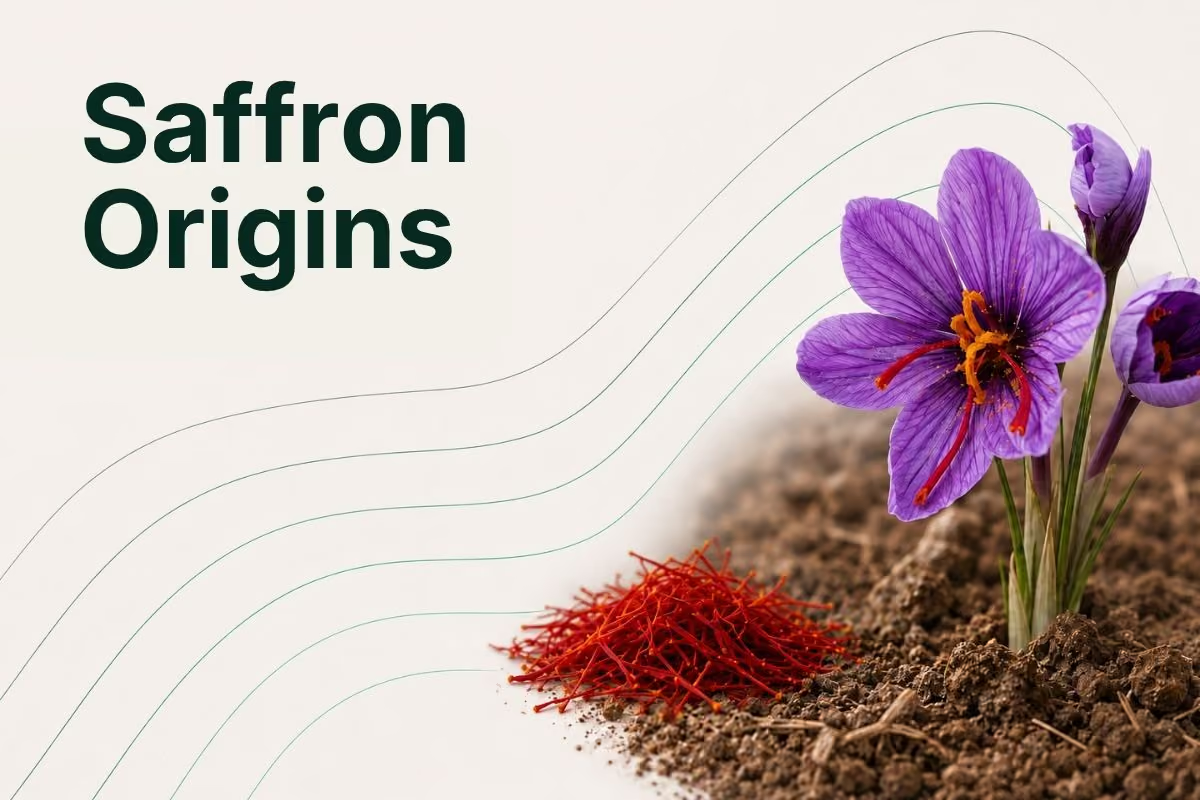
Saffron has a story that starts long before it reaches a kitchen, a tea blend, a luxury dessert, or a wholesale spice market. Behind every small red thread is a flower, a harvest season, a growing region, and a long chain of careful handwork.
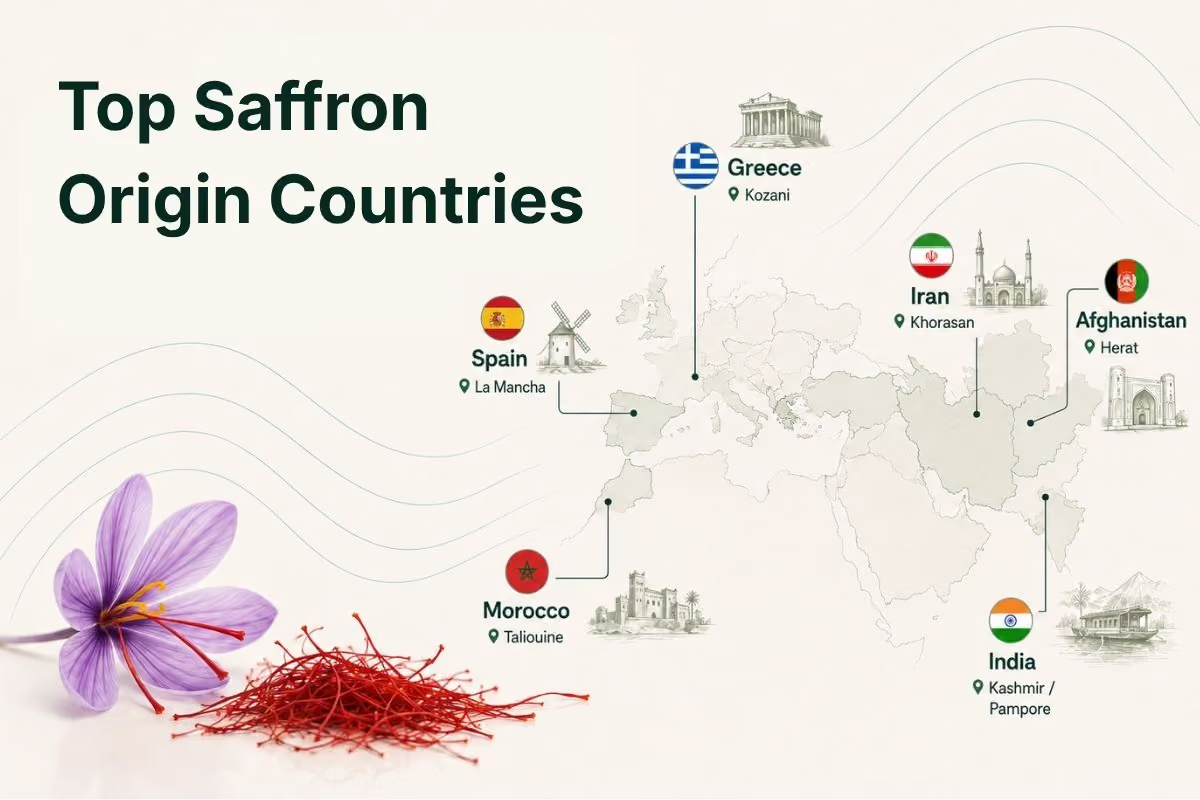
Quick Answer: Saffron is believed to have originated around Iran, Asia Minor, and the Mediterranean region. Today, the main saffron growing regions include Iran, India, Afghanistan, Spain, Greece, and Morocco, with Iran producing the largest share of the global saffron supply.
What Is the Source of Saffron?
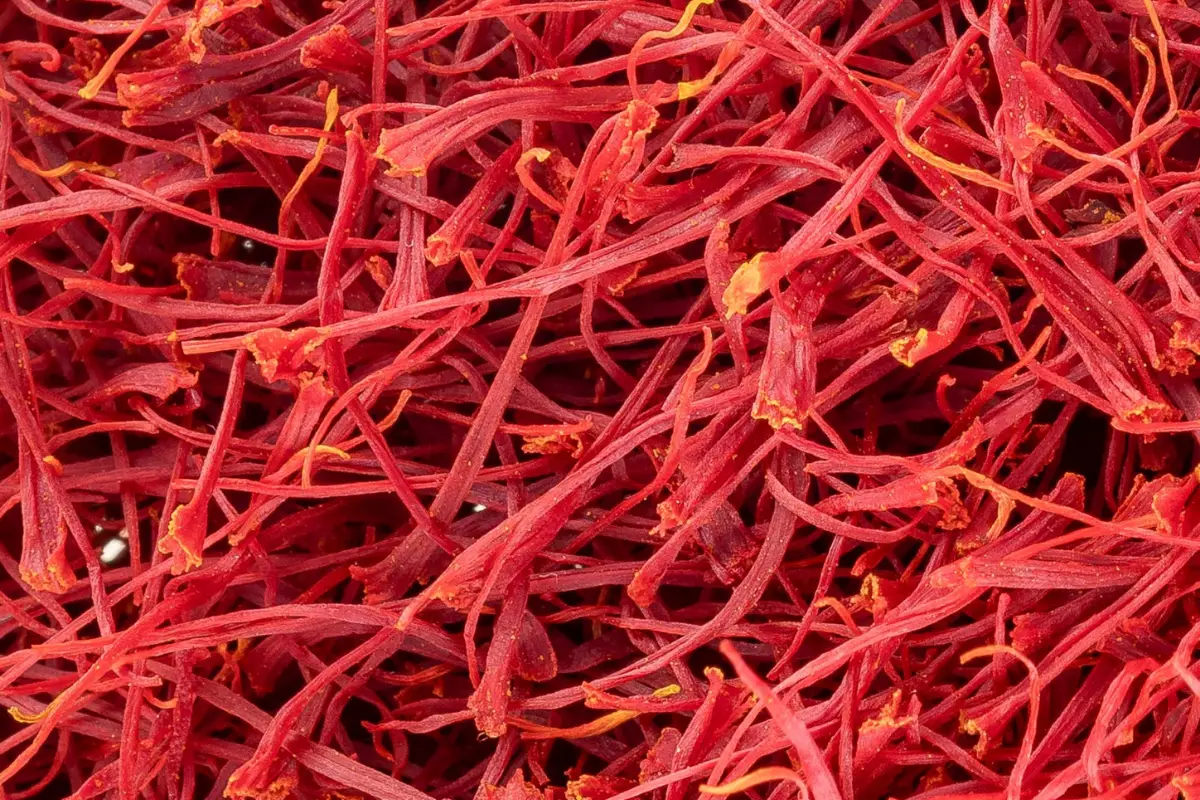
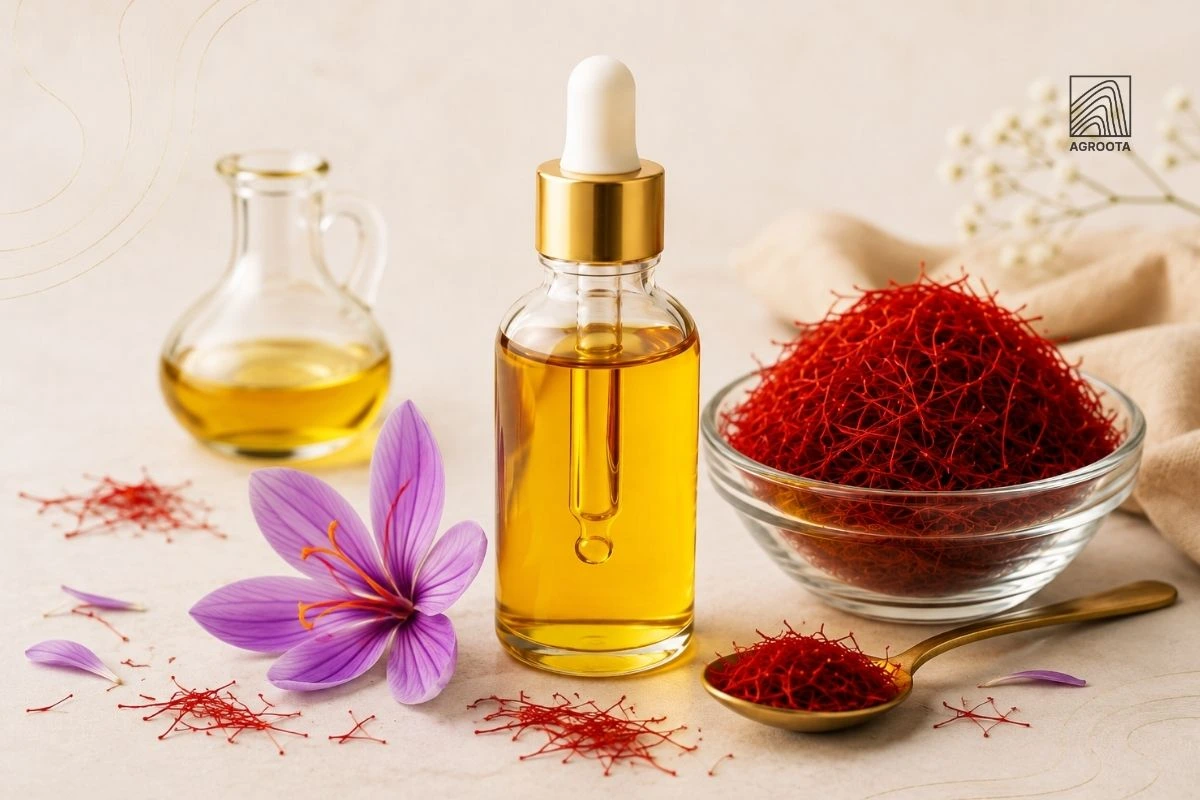
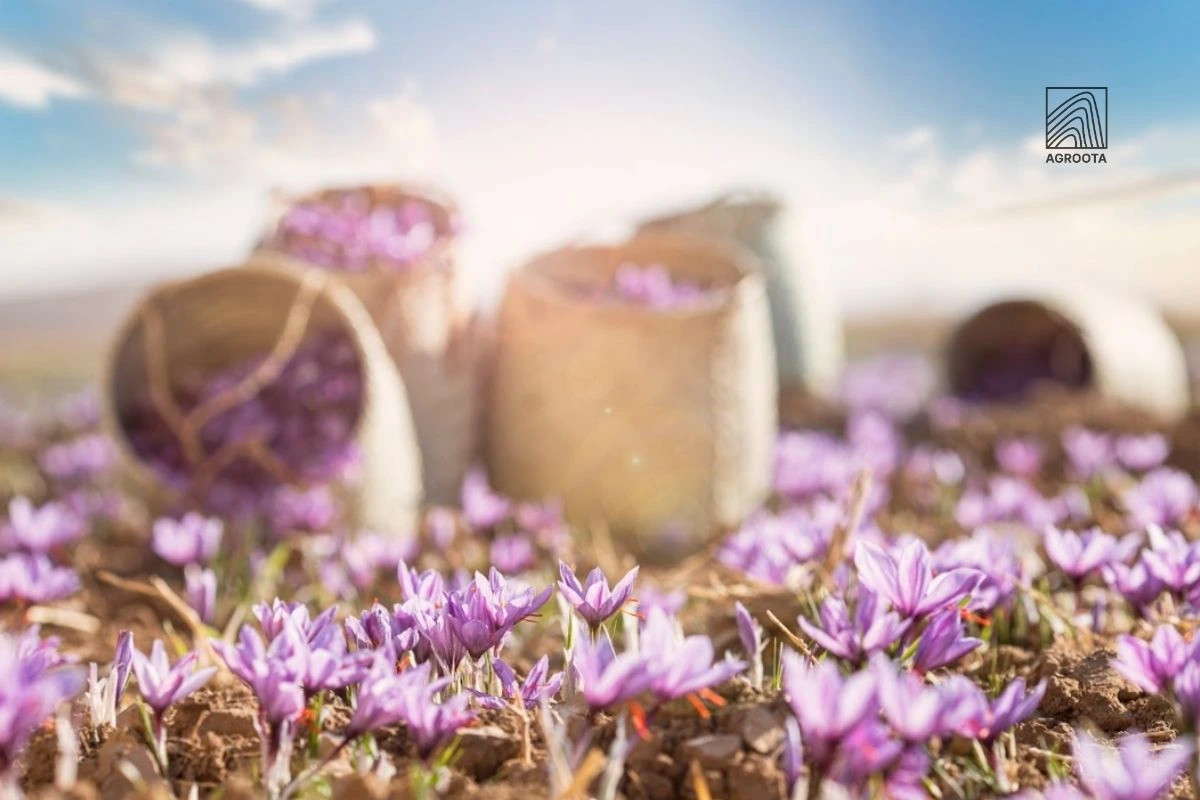
The source of saffron is the saffron crocus, botanically known as Crocus sativus. This purple autumn-flowering plant produces three red stigmas in the center of each flower, and these delicate red stigmas are the part harvested, dried, and sold as saffron threads.
Saffron does not come from the petals, leaves, roots, seeds, or stem of the plant. The valuable part is the red stigma, while the yellow or pale style attached to it has lower coloring strength and lower commercial value. This is why pure red saffron threads are usually more valuable than mixed threads with too much yellow style.
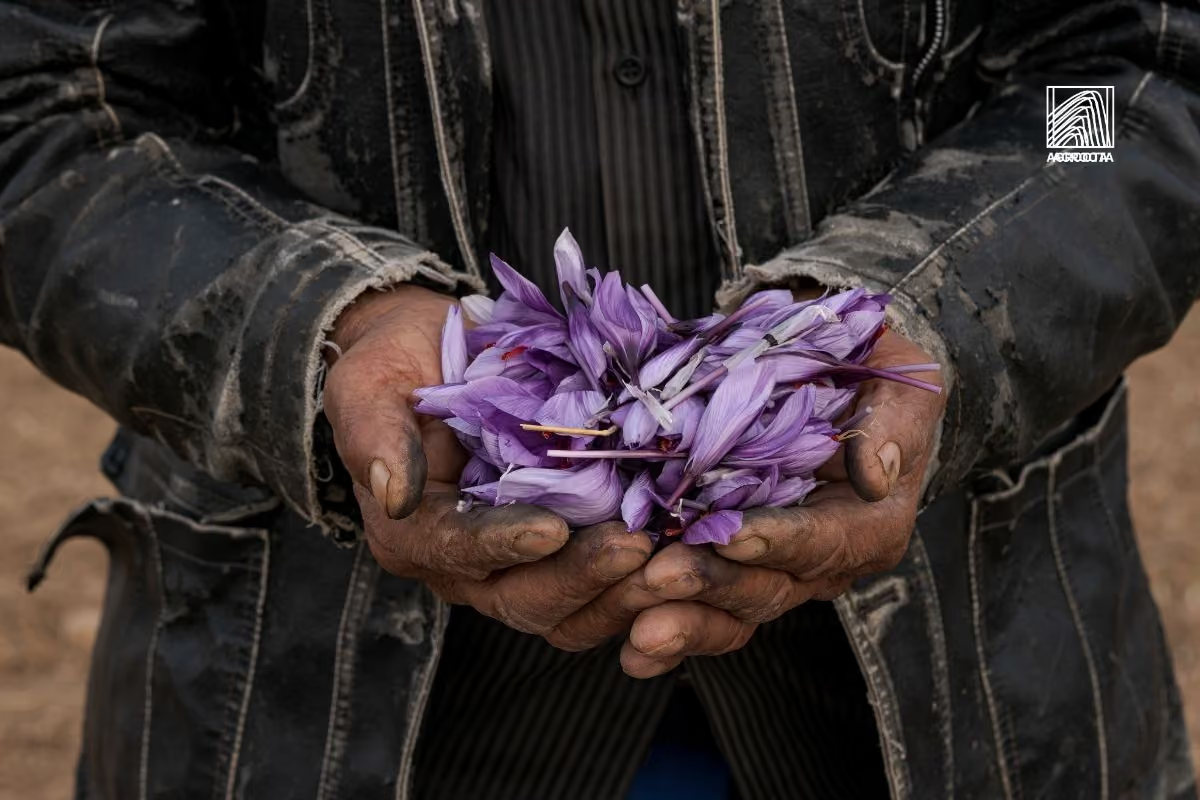
Because each flower produces only three usable stigmas, saffron requires a large number of flowers and careful hand harvesting. Farmers usually pick the flowers during a short harvest window, separate the red threads by hand, and dry them carefully to preserve aroma, color strength, and quality.
If you are still learning the basics of the spice itself, start with our full guide on “what is saffron” or read more about the saffron crocus.
Saffron Origin: Where Did Saffron Originally Come From?
The historical origin of saffron is difficult to tie to one modern country. Saffron has been cultivated, traded, and used for thousands of years across food, medicine, dyeing, perfume, and ritual traditions.
Most discussions of saffron origin connect the spice to Iran, Asia Minor, and the Mediterranean world. These regions had the right climate, strong farming traditions, and early trade routes that helped saffron spread across cultures.
That is why “saffron origin country” can be a misleading phrase. If you mean the ancient birthplace of saffron, the answer is regional rather than national. If you mean the most important producing country today, Iran is the central name. If you mean famous regional identities and saffron types, Kashmir, La Mancha, Kozani, Herat, and Taliouine all matter.
Why Saffron Grows Well in Certain Regions
Saffron does not grow well everywhere. The best saffron growing regions usually have dry or semi-dry summers, cool autumn weather, strong sunlight, and well-drained soil. Too much humidity or waterlogged soil can damage the saffron corms and make drying harder after harvest.
But climate alone is not enough. High-quality saffron also depends on human skill: picking the flowers at the right time, separating the red stigmas cleanly, drying them carefully, and storing the threads away from heat, light, and moisture. That is why saffron origin matters. A growing region is not just a place on a map; it reflects climate, farming tradition, drying methods, grading standards, and supply reliability. For wholesale buyers, this helps explain expected quality, available volume, market reputation, and price.
Top Saffron Origin Countries and Growing Regions
When people search for a saffron origin country, a few regions appear again and again because they have the climate, farming tradition, and market reputation needed for saffron production.
Iran: The Main Saffron Origin in the Global Market
Iran is the most important saffron origin country today and produces the largest share of the global supply. Its best-known saffron regions are in Khorasan, especially areas such as Qaen, Gonabad, Torbat Heydarieh, and nearby saffron-growing zones. Iranian saffron is valued because it is available in different commercial grades, including Super Negin, Negin, Sargol, Pushal, and Bunch, making it suitable for both retail and wholesale buyers. For a deeper comparison, read our guide to grades of saffron.
India: Kashmir Saffron and Premium Regional Identity
India’s saffron story is mostly centered around Kashmir, especially Pampore. Kashmiri saffron is known for its heritage, limited production, and strong cultural value in Indian food, tea, sweets, and ceremonial use. Because supply is smaller than Iran’s, Kashmir saffron is often positioned as a premium regional product.
Afghanistan: A Rising Saffron Growing Region
Afghanistan, especially Herat, has become more visible as a saffron growing region. Afghan saffron can offer strong aroma and color potential, but quality depends heavily on the exact batch, drying method, and supplier reliability. Buyers should check samples, grade details, and documentation before purchasing.
Spain: La Mancha Saffron and European Recognition
Spain has a long saffron tradition, especially in La Mancha. Spanish saffron is strongly associated with Mediterranean cooking and gourmet food markets. For buyers, the key is to confirm whether the saffron was actually grown in Spain or only packed and sold through a Spanish supplier.
Greece: Kozani Saffron and Protected Origin
Greece is known for Kozani saffron, also called Krokos Kozanis. It is valued for regional identity, traceability, and premium European positioning. Greek saffron may not be the cheapest option, but it can work well for gourmet retail and origin-focused food brands.
Morocco: Taliouine and North African Saffron
Morocco is another meaningful saffron origin, especially around Taliouine. Moroccan saffron is often linked to traditional farming communities and artisan regional supply. It may appeal to buyers looking for a North African origin story or specialty retail positioning.
Other Saffron Growing Regions
Saffron is also grown in smaller quantities in countries such as Italy, Turkey, France, China, and the United States. These origins may not dominate the wholesale market, but they can be useful for local food brands, chefs, specialty retailers, and premium storytelling.
Overall, saffron origin is layered. Iran leads in scale, Kashmir stands out for heritage, Afghanistan is rising, Spain and Greece carry European recognition, and Morocco offers a strong regional story. For buyers, the best origin depends on the target market, grade, price point, and proof behind the batch.
Which Saffron Origin Is Best?
There is no single best saffron origin for every buyer.
Iran is often the strongest choice for large-scale wholesale supply, grade variety, and commercial availability.
Kashmir is important for premium Indian identity, heritage, and limited regional value.
Afghanistan is interesting for buyers looking at emerging high-quality supply.
Spain is strong for European culinary recognition and gourmet positioning.
Greece is attractive for protected regional identity and premium specialty markets.
Morocco is useful for North African origin stories, artisan positioning, and specialty retail.
The best origin depends on the buyer’s goal.
If you are building a luxury retail jar, visual appeal and storytelling may matter most. If you are supplying restaurants, aroma and color release may matter more. If you are buying for food manufacturing, consistency and documentation may be the priority. If you are importing for resale, price, volume, and repeat supply may be the deciding factors.
So instead of asking “Which country has the best saffron?” ask:
Which saffron origin fits my customer, product, price point, and quality standard?
That question leads to better buying decisions.
Check the last Global Saffron Price for Wholesale Buyers!
Where to Buy Quality Saffron for Wholesale and Export
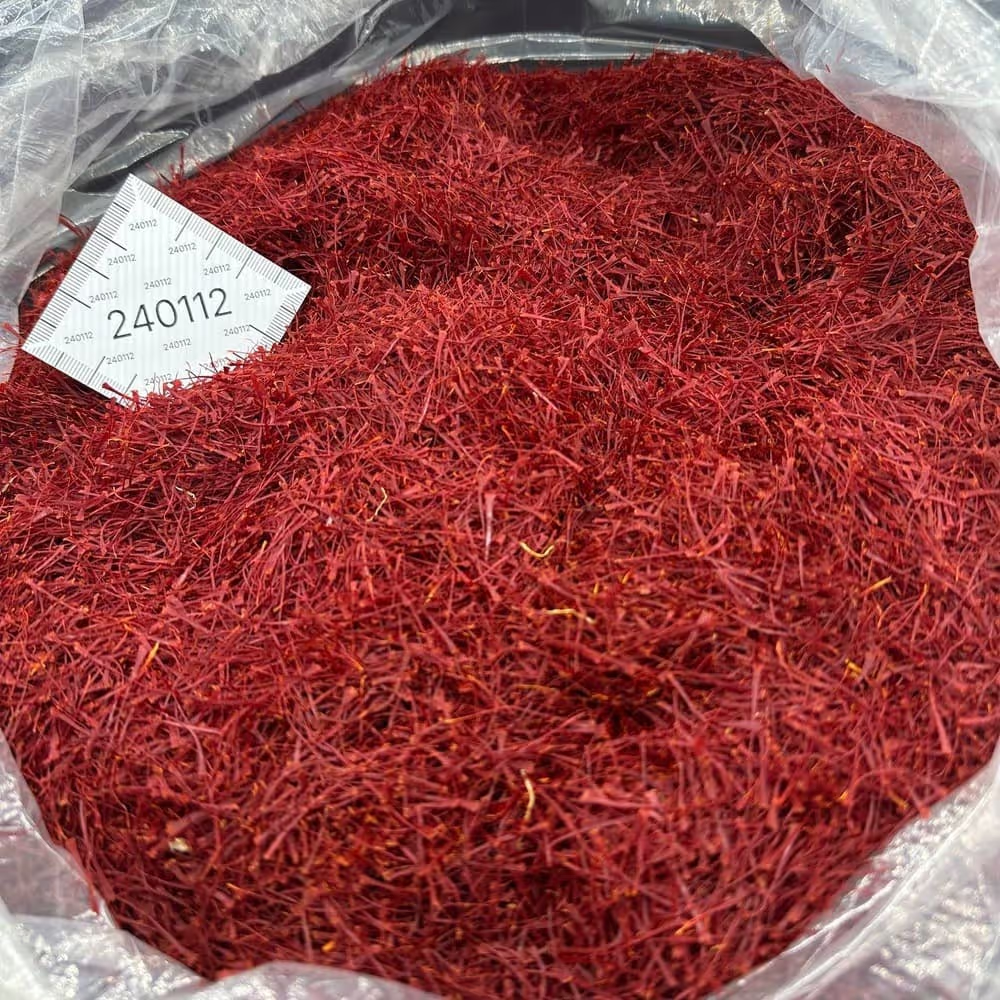
Saffron origin affects price, but serious buyers should never compare saffron by country name alone. The real value depends on the growing region, grade, harvest year, thread quality, aroma, purity, packaging, order volume, and export destination.
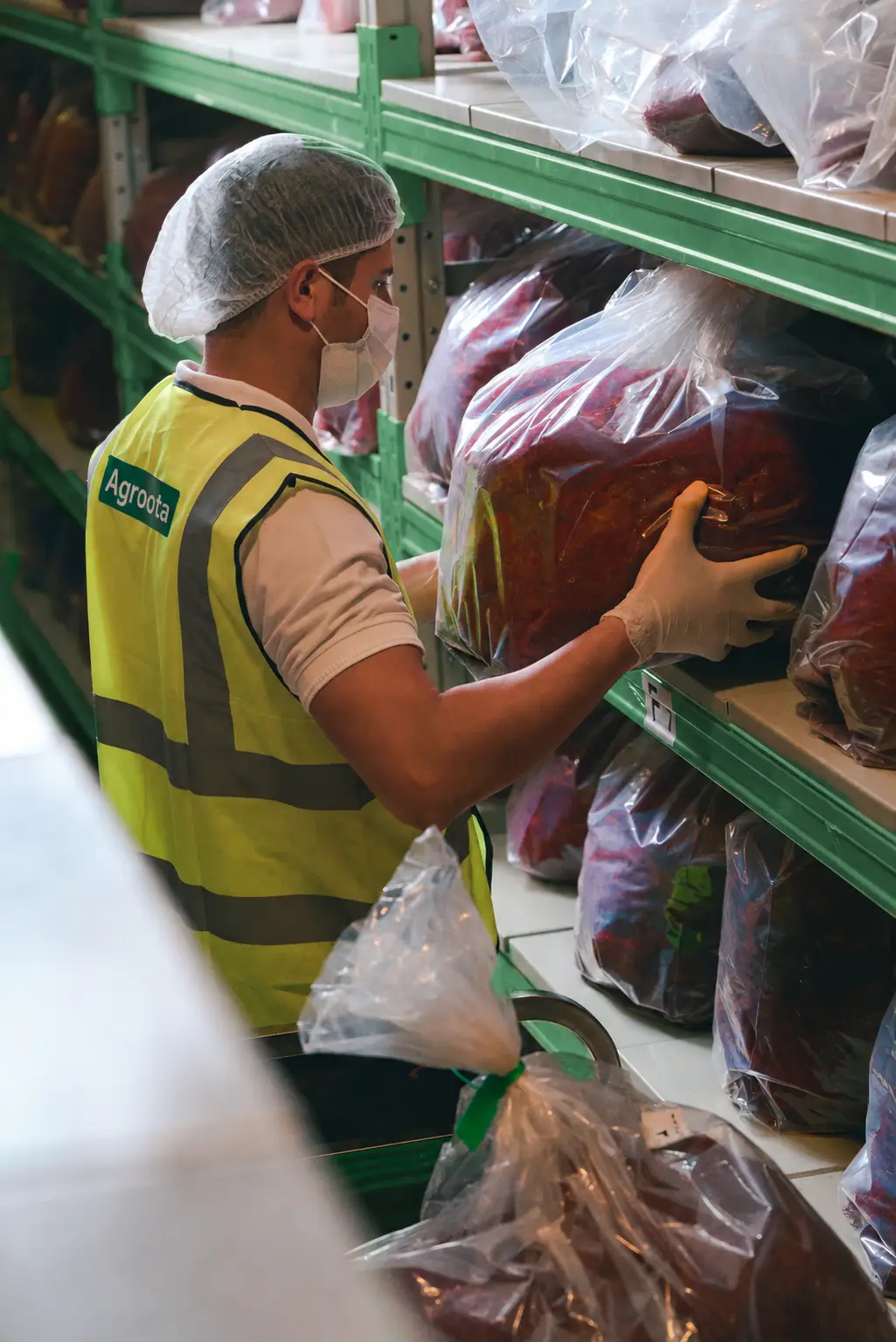
For buyers looking for saffron wholesale, Agroota makes it easier to compare quality-checked saffron from trusted sources, review available grades, and request real batch details before placing a larger order. Whether you are buying for import, private-label packaging, retail, or resale, Agroota helps you source saffron based on origin, quality, and current market needs.
For current wholesale rates, available grades, and batch-based pricing, request today’s quote below.
Request today’s saffron price per kg in India
Final Thoughts
Saffron comes from the red stigmas of the saffron crocus, but its value depends on much more than the flower itself. Origin, growing region, harvest quality, drying method, grade, freshness, and supplier reliability all shape the final saffron quality. Historically, saffron is strongly connected to Iran, Asia Minor, and the Mediterranean, while today major saffron growing regions include Iran, India, Afghanistan, Spain, Greece, and Morocco. For buyers, the smartest approach is not to choose saffron by country name alone, but to compare the exact source, grade, batch details, aroma, color strength, and documentation before buying.
FAQs About Saffron Origin
1. What is the origin of saffron?
Saffron is historically linked to Iran, Asia Minor, and the Mediterranean region. Today, it is grown in several countries, including Iran, India, Afghanistan, Spain, Greece, and Morocco.
2. What country does saffron come from?
Saffron comes from multiple countries, but Iran is the largest and most important saffron-producing country today. Other well-known saffron origin countries include India, Afghanistan, Spain, Greece, and Morocco.
3. What is the source of saffron?
The source of saffron is the saffron crocus, or Crocus sativus flower. The spice comes from the red stigmas inside the flower, not from the petals, roots, seeds, or leaves.
4. Which saffron origin is the best?
There is no single best saffron origin for every buyer. Iranian saffron is strong for wholesale supply and grade variety, Kashmiri saffron is known for premium regional identity, and Spanish or Greek saffron may appeal to gourmet European markets.
Looking to Source Saffron in Bulk?
Compare saffron types, review available batches, and source wholesale saffron for your business based on current supply availability.
Need Current Bulk Saffron Pricing?
View indicative wholesale saffron price ranges by type, or learn how Agroota helps businesses source saffron in bulk.


.svg)

.webp)


