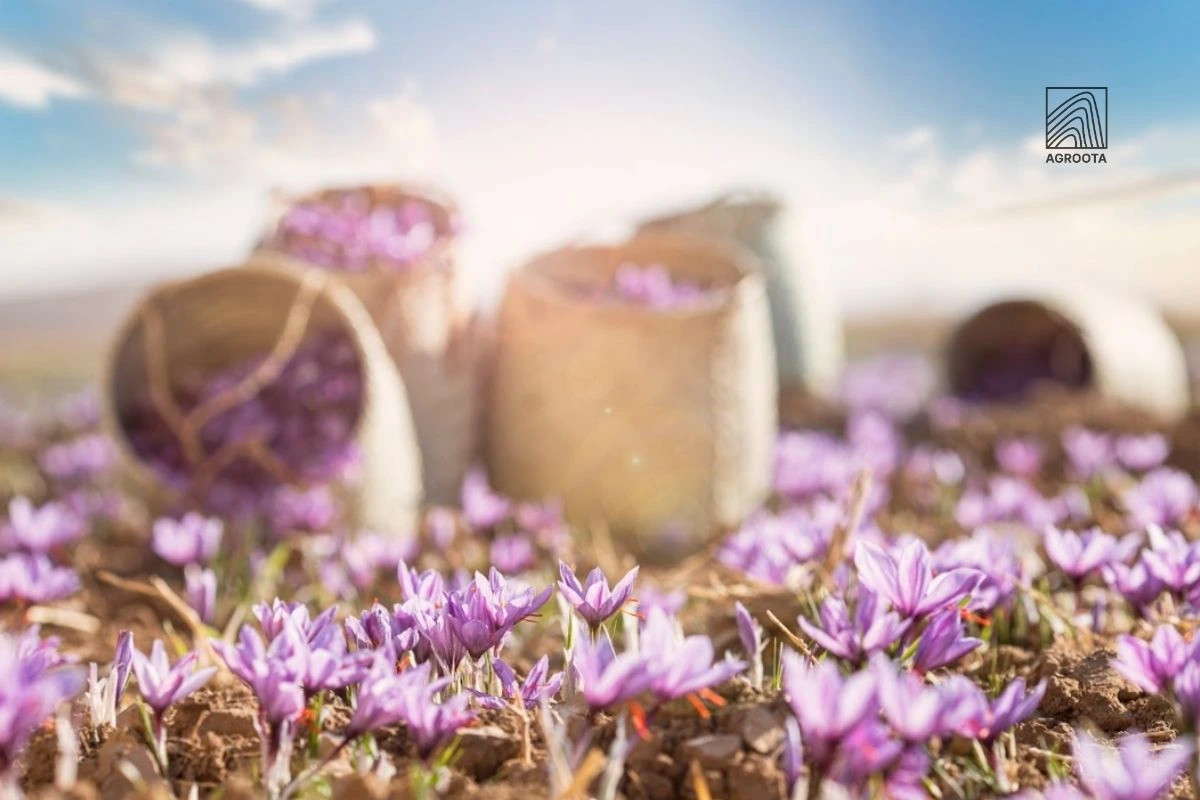
The main difference between safflower and saffron is that safflower is a low-cost flower petal used mainly for color, while saffron is the dried stigma of Crocus sativus and provides color, aroma, and flavor. Safflower can imitate part of saffron’s appearance, but it cannot reproduce its full sensory profile.
Safflower vs Saffron Comparison
Before going deeper, here is the simple difference: safflower is mainly a low-cost coloring ingredient, while saffron is a premium spice valued for color, aroma, taste, and consistency.
.webp)
- Plant Source
Safflower comes from the Carthamus tinctorius plant.
Saffron comes from the dried red stigmas of the Crocus sativus flower.
- Taste
Safflower has a mild, neutral, slightly earthy taste.
Saffron has a stronger flavor with floral, earthy, warm, and slightly bitter notes.
- Aroma
Safflower has a weak aroma compared with saffron.
Saffron has a strong and distinctive aroma, which is one of the reasons it is so valuable.
- Color
Safflower can give a yellow to orange-red color, but the result is usually lighter and flatter.
Saffron releases a rich golden-yellow color with stronger coloring power.
- Price
Safflower is much cheaper.
Saffron is more expensive because harvesting is labor-intensive and each flower produces only a small amount of usable stigma.
What Is Safflower?
Safflower is a flowering plant known as Carthamus tinctorius. It is widely grown for its seeds, which are used to make safflower oil. Its dried petals are also used in tea blends, spice mixes, natural coloring, and some traditional recipes.
Safflower is sometimes called “false saffron” because the dried petals can look a little like saffron threads. The name is misleading, though. Safflower is its own ingredient. It is not a type of saffron.
In cooking, safflower can add a light yellow-orange color and a mild plant-like note. It is not useless, and it is not automatically “fake.” The problem starts when safflower is sold as saffron or mixed into saffron without being clearly labeled.
What Is Saffron?
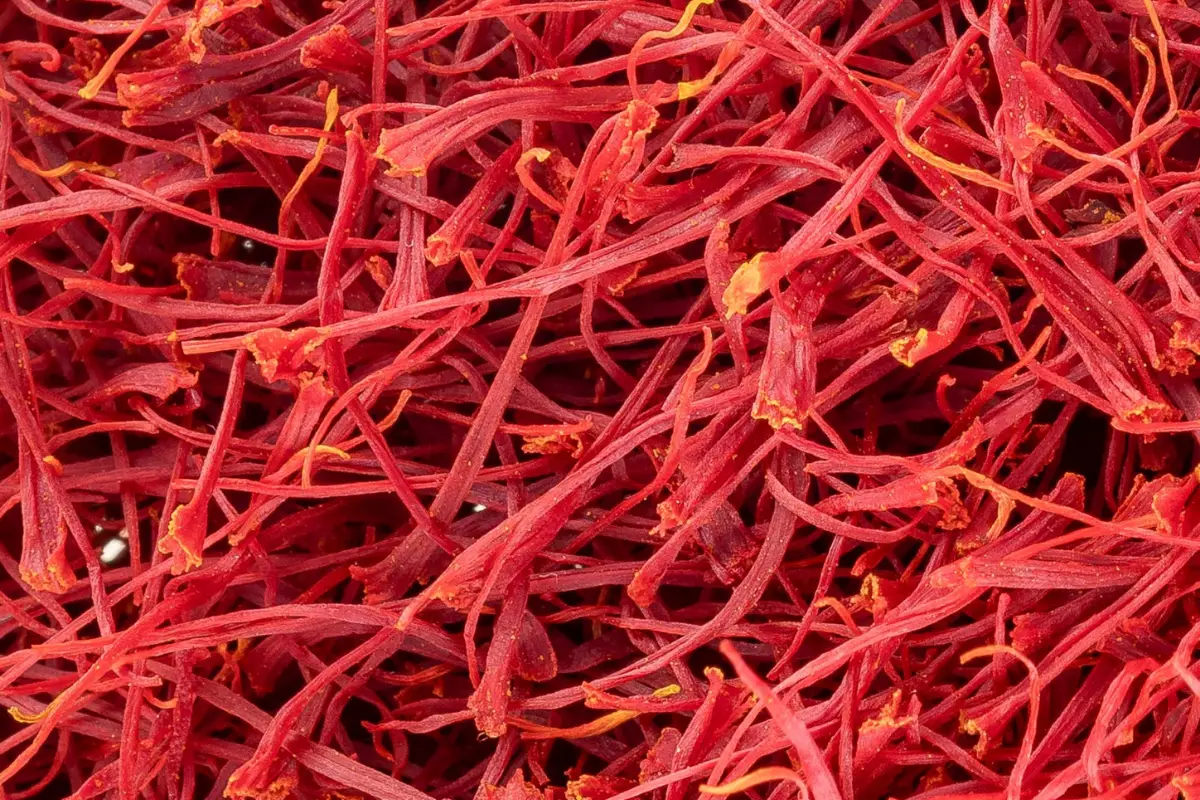
As we explored on our saffron guide, saffron is the dried red stigma of the Crocus sativus flower. Each flower produces only a few usable stigmas, and they must be picked and dried carefully. That is one reason saffron is one of the most expensive spices in the world.
Saffron is valued for three things at once: color, aroma, and flavor.
A small amount of good saffron can release a deep golden color and a strong aroma. It is used in rice dishes, desserts, milk-based drinks, sauces, teas, and traditional recipes across many cultures.
Unlike safflower, saffron is not just a coloring ingredient. Its flavor and aroma are part of the experience.
Safflower vs Saffron Taste
The biggest difference between safflower and saffron is not appearance. It is taste.
Safflower has a mild, almost neutral taste. It can be slightly earthy or grassy, but it does not add much depth to a dish. In many recipes, it is used more for color than flavor.
Saffron tastes stronger and more complex. It can be floral, earthy, warm, honey-like, and slightly bitter. That slight bitterness is normal in real saffron and is part of its natural profile when used correctly.
For example, in a rice dish, safflower may help create a yellow color. But saffron changes the aroma of the rice, adds warmth, and gives the dish a more recognizable flavor. If you remove saffron and use only safflower, the dish may still look yellow, but it will not taste the same.
That is the real difference in safflower vs saffron taste.
Safflower vs Saffron Aroma
Safflower has a very light aroma. In some blends, you may barely notice it.
Saffron has a much stronger smell. Good saffron has a warm, floral, hay-like aroma that becomes more noticeable when the threads are steeped in warm water, milk, or broth.
This is why saffron is difficult to replace. Many ingredients can add yellow color, but very few can copy saffron’s aroma.
Safflower vs Saffron Color
Both safflower and saffron can add color, but the result is different.
Safflower can release yellow, orange, or reddish tones depending on how it is used. The color is usually softer and flatter. It may work well in teas, simple recipes, and decorative spice blends.
Saffron releases a rich golden-yellow color. Even a small amount can color rice, milk, desserts, or sauces when prepared properly.
The key difference is strength. Saffron usually gives more color from a smaller amount. Safflower may need a larger quantity to create a visible effect, and even then, the color can look less deep.
This is why saffron color matters beyond appearance. Good saffron gives a deeper golden tone, releases color more strongly, and usually needs less quantity than safflower.
How to Tell Safflower from Saffron
- Appearance: Safflower usually looks more petal-like, flat, and orange-red. Saffron threads have a more distinctive stigma shape and may show a wider or flared end.
- Aroma: Safflower has little aroma. Saffron has a recognizable, floral, earthy, hay-like scent.
- Color Release: Safflower usually creates a lighter yellow-orange color. Saffron gradually produces a rich golden-yellow infusion.
- Testing Limitations: Visual inspection and warm-water tests can help with initial screening, but they cannot prove authenticity. Commercial buyers should rely on supplier documentation and laboratory testing.
Why Is Saffron More Expensive Than Safflower?
Saffron costs more because it is much harder to produce.
The usable part of the saffron flower is tiny. Each flower has only a few red stigmas, and harvesting is mostly done by hand. After picking, the stigmas need to be dried and stored carefully so they keep their color, aroma, and flavor.
Safflower is easier to grow at scale. The plant is also used for safflower oil, which makes it a more common and affordable crop.
So the price difference is not random. Saffron is expensive because the plant gives very little usable spice, and the harvesting process takes a lot of labor.
Saffron prices can vary significantly depending on origin, type, grade, crop year, color strength, packaging format, order volume, and destination market. Buyers comparing the saffron price per kg in India should also consider local demand, import costs, and the type of saffron being offered, rather than focusing only on the listed price.
Market conditions can differ considerably from one country to another. For example, the saffron price in the USA may also reflect testing requirements, packaging, warehousing, customs, and domestic distribution. For a meaningful comparison, buyers should look beyond the price per kilogram and evaluate thread type, aroma, color release, flavor, quality documentation, and batch consistency.

Can Safflower Replace Saffron?
Safflower can replace saffron only when color is the main goal.
If a recipe only needs a light yellow-orange color and does not depend on saffron’s aroma, safflower may be acceptable in some cases as a saffron substitute. It can work in simple rice dishes, tea blends, decorative spice mixes, and low-cost recipes where saffron is not the main flavor.
But safflower cannot fully replace saffron in recipes where saffron is central.
If the dish is meant to taste like saffron, smell like saffron, or be recognized as a saffron-based recipe, safflower is not a real substitute. It is only a cheaper coloring alternative.
Why Safflower Is Sometimes Used in Fake Saffron
Safflower is often linked to fake saffron because it is cheaper and can look similar to saffron in dried form.
This does not mean safflower itself is bad. The issue is dishonest labeling.
If safflower is sold as safflower, there is no problem. If it is sold as saffron, mixed into saffron powder, or used to make low-quality saffron look better, then it becomes adulteration.
Powdered saffron is usually riskier than whole saffron threads because it is harder to see what is inside. With whole threads, you can still look at shape, color, and texture. With powder, much of that visual evidence is gone.
If you want to avoid confusion, whole saffron is usually the safer option. For larger quantities, it is better to understand the difference between grades, thread types, powder, and packaging before you buy saffron.
Where to Buy Quality Saffron
Quality saffron should be easy to understand before you buy it. The origin, grade, thread type, aroma, color strength, packaging, and product details should be clear. If a saffron product looks unusually cheap, has a weak aroma, or gives very little information about quality, it needs closer checking.
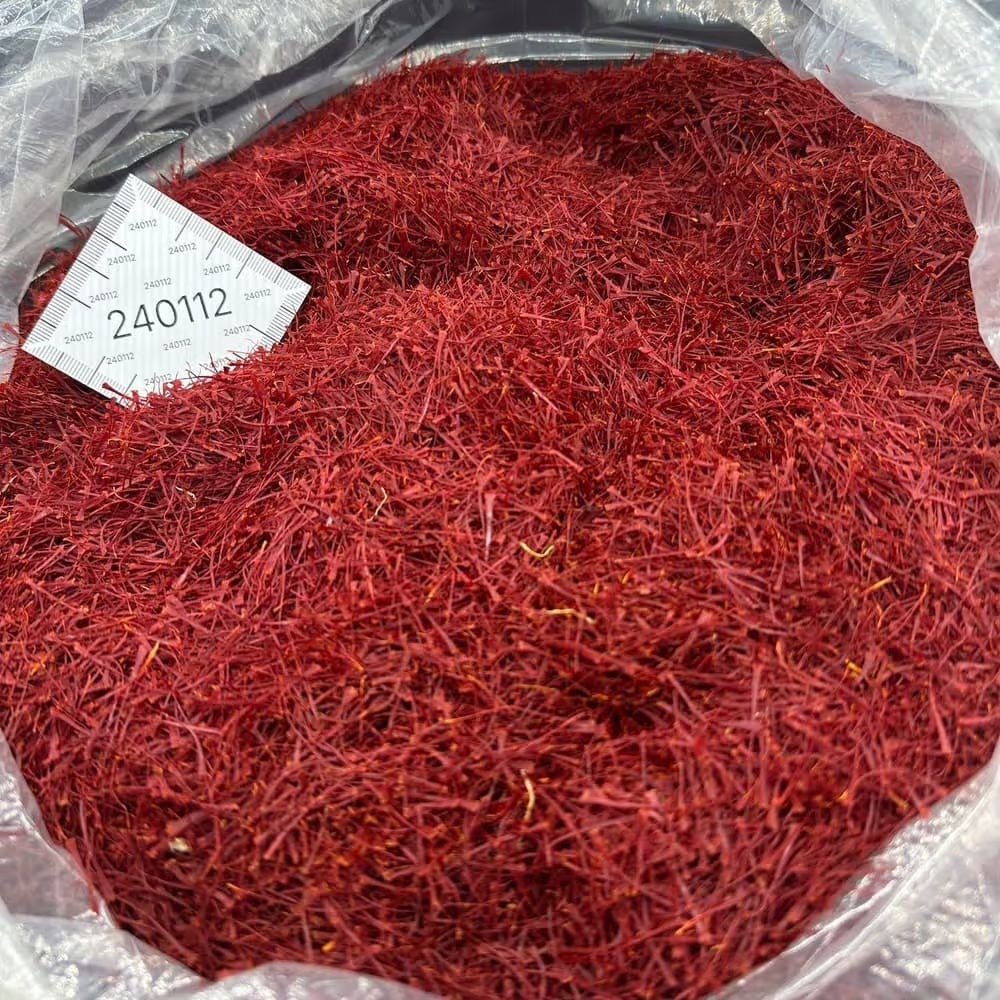
For everyday use, whole saffron threads are usually easier to judge than powder because you can still see the shape, color, and texture. Good saffron should have deep red threads, a natural aroma, and a golden color release when steeped in warm water.
Agroota can be a useful place to compare saffron more carefully. The brand focuses on premium saffron and gives more context around grade, cut type, packaging, and sourcing, which makes it easier to understand what you are actually buying.
If you plan to buy saffron in bulk, do not look at price alone. Check the grade, thread type, packaging format, aroma, color release, and whether the product details are clear enough to compare quality properly.
Safflower vs Saffron FAQs
Find clear answers about the differences in taste, aroma, color, price, uses, and authenticity.
Is safflower the same as saffron?
No. Safflower and saffron come from different plants. Safflower usually refers to petals or seeds from Carthamus tinctorius. Saffron comes from the dried stigmas of Crocus sativus. They may look similar in some forms, but their taste, aroma, price, and uses are very different.
Can safflower be used as a saffron substitute?
Yes, but only in limited cases. Safflower can work when you mainly want color. It cannot replace saffron’s full taste and aroma.
What is the main difference between safflower and saffron taste?
Safflower tastes mild, neutral, and slightly earthy. Saffron has a stronger taste with floral, earthy, warm, and slightly bitter notes.
Why is saffron more expensive than safflower?
Saffron is more expensive because each flower produces only a small amount of usable stigma, and harvesting takes a lot of manual work. Safflower is easier to grow at scale and has broader uses, especially through safflower oil.
Is safflower fake saffron?
No. Safflower is a real plant and a real ingredient. It becomes fake saffron only when it is sold as saffron or mixed into saffron without clear labeling.
Which is better for cooking, safflower or saffron?
It depends on the recipe. Safflower is better when you only need a mild color. Saffron is better when the recipe needs real aroma, deeper flavor, and a richer golden color.
How can I avoid confusing safflower with saffron?
Choose whole saffron threads when possible, check the shape and aroma, and avoid products that look unusually cheap for saffron. Saffron should smell strong and release a golden color when steeped. Safflower usually has a much weaker aroma.
Conclusion
Safflower and saffron are not interchangeable.
Safflower is an affordable plant ingredient that can add mild color to teas, rice, and spice blends. It has its place, especially when aroma and deep flavor are not the goal.
Saffron is different. It gives stronger color, a more complex taste, and a distinct aroma that safflower cannot copy. That is why saffron costs more and why it is used in recipes where flavor and aroma matter.
The simple rule is this: use safflower when you only need gentle color. Use saffron when the dish is supposed to taste and smell like saffron.
Looking to Source Saffron in Bulk?
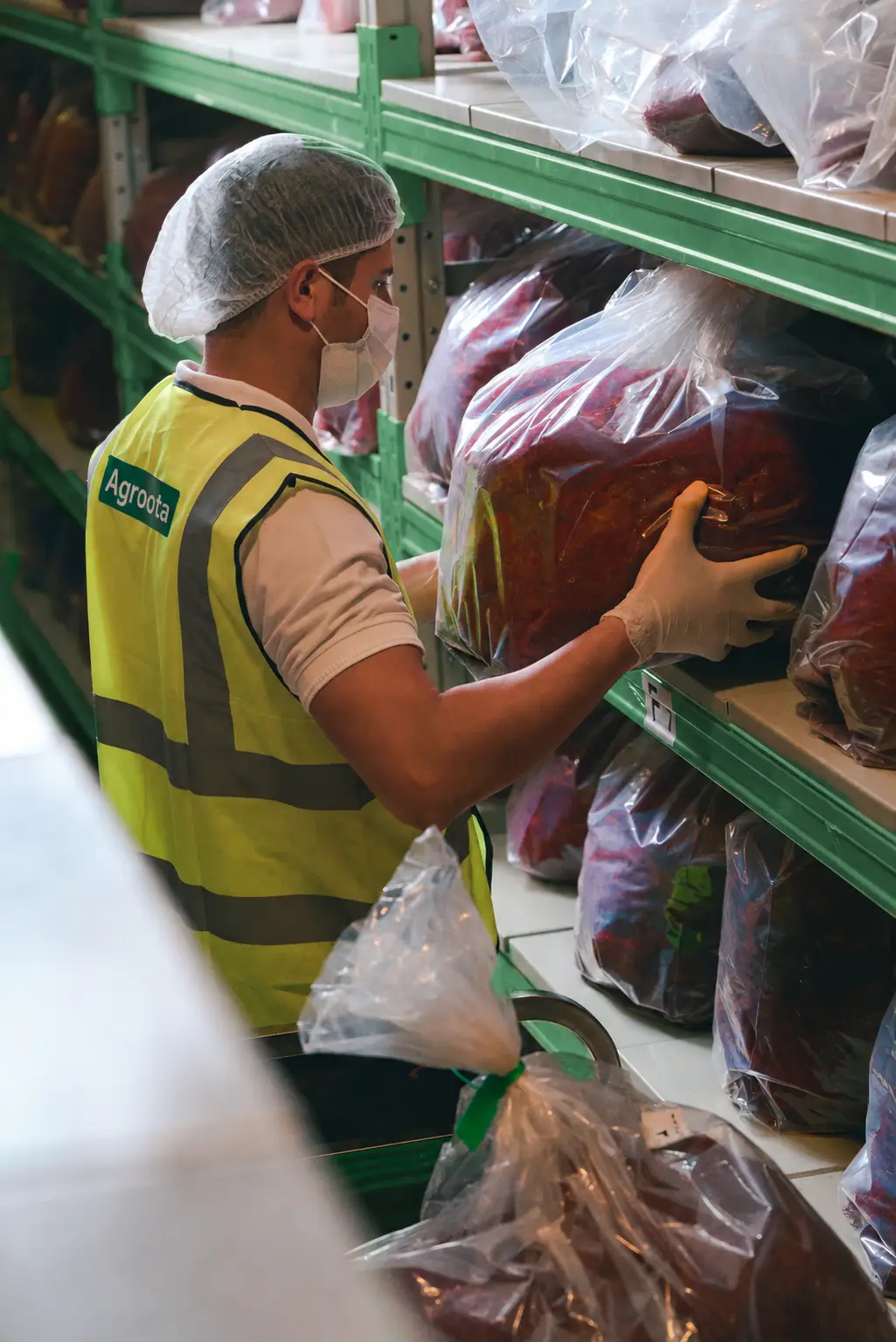
Compare saffron types, review available batches, and source wholesale saffron for your business based on current supply availability.
Need Current Bulk Saffron Pricing?
View indicative wholesale saffron price ranges by type, or learn how Agroota helps businesses source saffron in bulk.

.svg)

.webp)


