

Saffron crocus is the purple fall-blooming flower that produces saffron. Botanically known as Crocus sativus, this flower contains three red stigmas, which are hand-picked, dried, and sold as saffron threads.
So, when people ask “what is saffron crocus?”, the simple answer is: it is the plant behind the spice, not the spice itself. Saffron comes only from the red stigmas of this flower, not from its petals or yellow stamens.
Does Saffron Come From Crocus?
Yes, saffron comes from crocus, but only from one specific type: Crocus sativus, also known as saffron crocus.
This distinction matters because not every crocus produces edible saffron. Many crocus flowers are ornamental. Some plants with similar names, such as autumn crocus or meadow saffron, are completely different plants and should not be used as saffron sources.
The saffron used in cooking, tea, desserts, sauces, and food production comes from the red stigmas of Crocus sativus. That is why the phrase “crocus flower saffron” can be misleading if the exact species is not clear.
If you want the wider origin story, including how saffron moved through regions, cuisines, and trade routes, you can also read our guide on Where Does Saffron Come From.

Saffron Crocus vs Saffron: What’s the Difference?
Saffron crocus is the plant. Saffron is the dried spice made from the saffron plant.
The saffron crocus grows from an underground corm, produces purple flowers in autumn, and develops three red stigmas inside each flower. Once those stigmas are harvested and dried, they become saffron threads.
Saffron, on the other hand, is the finished ingredient used in food, drinks, cosmetics, supplements, and food manufacturing. If you want a deeper explanation of the spice itself, including its taste, aroma, and uses, start with our guide on What is Saffron.
For buyers, this difference is useful. A product may be called saffron, but quality depends on the part of the flower used, the drying method, purity, moisture level, thread condition, and source.

What Does a Saffron Crocus Flower Look Like?
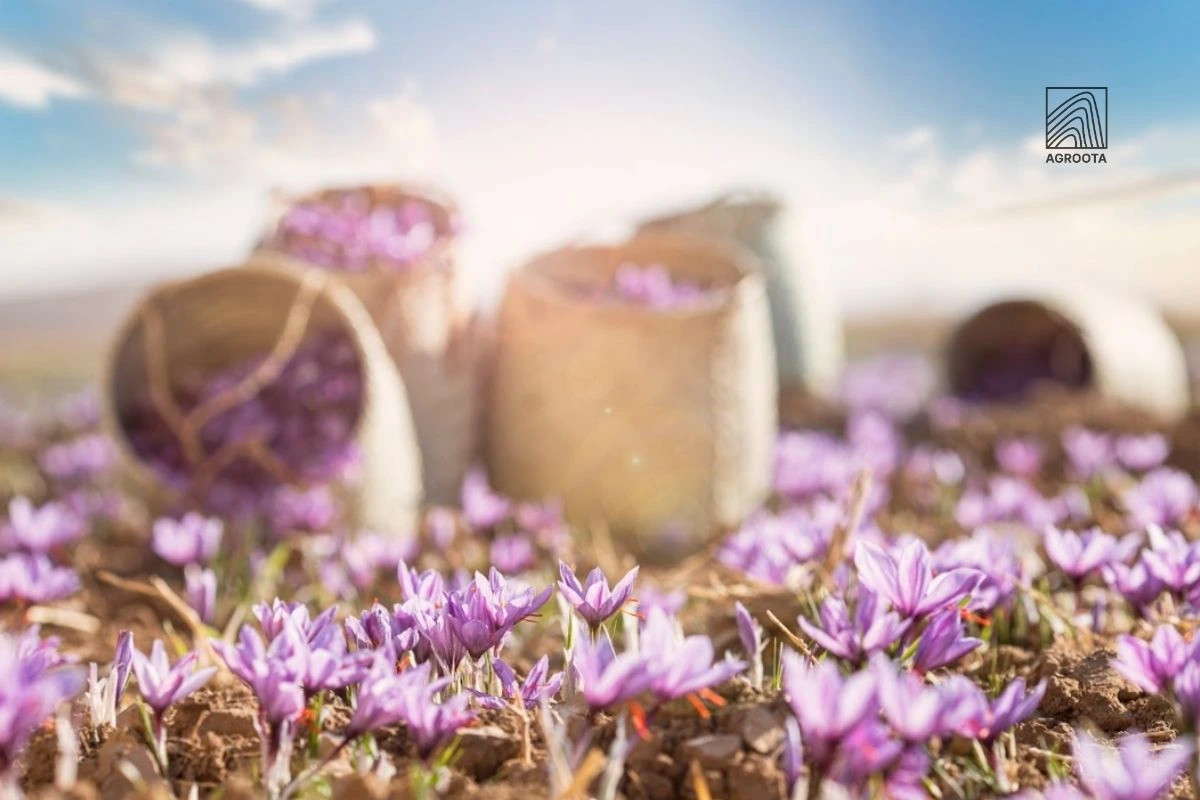
A saffron crocus flower usually has soft purple, lilac, or lavender petals. The flower opens close to the ground and has a delicate, cup-like shape.
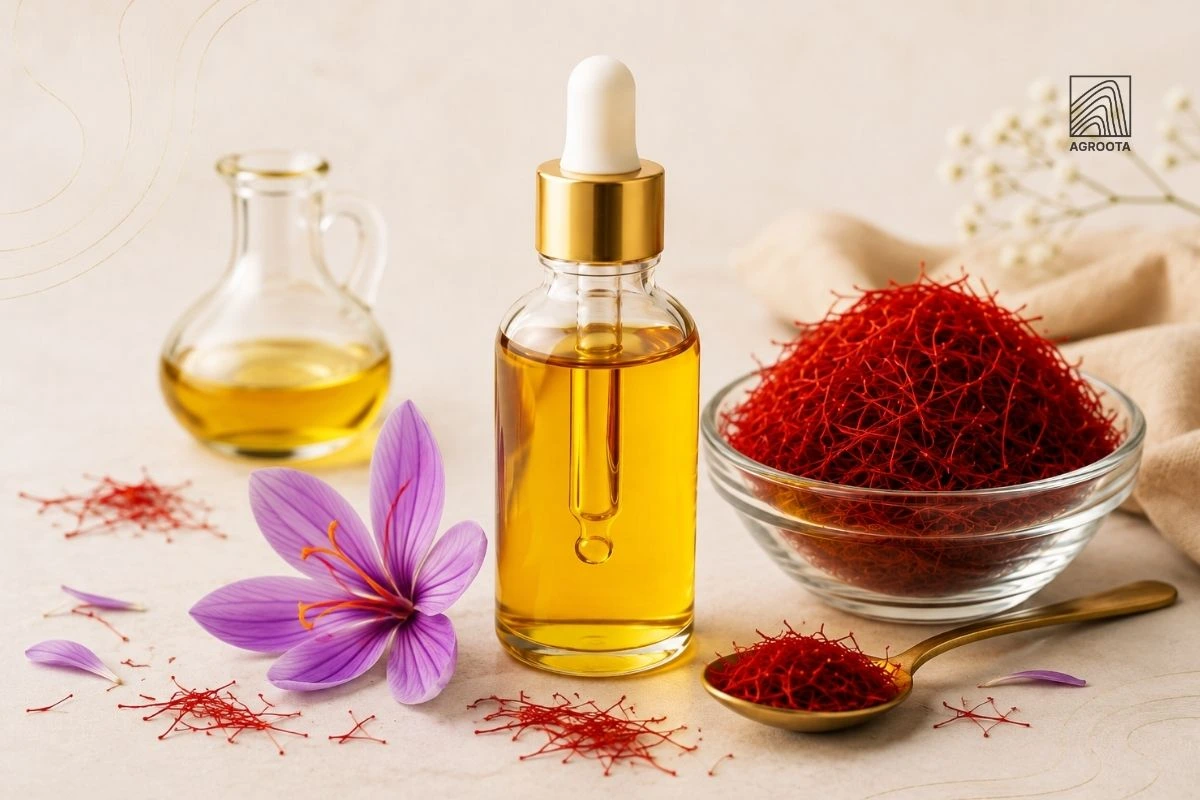
Inside the flower, the most important part is easy to spot: three red stigmas. These are the saffron threads before drying.
The contrast between the purple petals and red stigmas is one of the easiest ways to recognize saffron crocus visually. The flower itself looks small and decorative, but the value is concentrated in only a tiny part of it.
That is also why saffron production is so limited. A single flower gives only three stigmas, and each stigma must be separated carefully from the rest of the flower.
Saffron Crocus Bulbs: Are They Actually Bulbs?
The truth is that saffron crocus grows from corms, not true bulbs.
A corm is an underground plant structure that stores energy for the next growing season. It looks similar to a bulb, which is why gardeners, sellers, and buyers often use the word “bulb” in everyday language.
So if you see “saffron crocus bulbs” online, the seller is usually referring to saffron crocus corms. The common phrase is not unusual, but “corm” is the more accurate botanical term.
Saffron crocus corms are usually planted before the blooming season. They need well-drained soil, sunlight, and enough space to develop properly. In suitable conditions, they produce flowers in autumn.
When Do Saffron Crocus Bloom?
In many growing regions, the flowers appear between September and November. The exact timing depends on climate, altitude, soil, rainfall, and planting conditions. In some areas, the main bloom happens around October, while warmer or cooler regions may have a slightly different flowering window.
This short bloom period is important for saffron quality. The flowers need to be harvested soon after they open, while the stigmas are still fresh. If harvesting is delayed, the quality of the saffron can drop.
This is one reason saffron production depends so heavily on timing. Farmers cannot simply wait for a more convenient harvest day. Once the flowers open, the work has to begin quickly.
How Is Saffron Harvested From the Crocus Flower?
Saffron harvesting is delicate, slow, and mostly done by hand.
First, the flowers bloom. Then each flower is picked carefully. After that, the red stigmas are separated from the rest of the flower. These stigmas are then dried to become saffron threads.
The process sounds simple, but producing saffron at scale requires a significant amount of manual labor. Each saffron crocus flower gives only three red stigmas. That means a large number of flowers are needed to produce even a small amount of dried saffron. This is one of the biggest reasons behind saffron’s high price.
It is also why quality depends so much on human handling. If the wrong parts of the flower are mixed in, the saffron may look bulkier but lose purity. If the threads are dried badly, the aroma and color strength may suffer. If moisture remains, storage quality drops.

That is why serious saffron buyers care about more than the word “saffron.” They care about thread quality, drying method, purity, grade, aroma, color strength, and source.
For a fuller explanation of the economics behind this spice, read our guide on Why is Saffron Expensive.
Can You Grow Saffron Crocus at Home?
Yes, saffron crocus can be grown at home if the conditions are right.
Home growers usually plant saffron crocus corms in well-drained soil with good sunlight. The plant does not do well in heavy, wet soil for long periods, so drainage is important.
However, growing a few saffron crocus flowers is not the same as producing a useful saffron supply.
A small pot may give enough saffron for one or two dishes. But regular harvesting requires many flowers, because each flower produces only three stigmas. Anyone hoping to produce saffron in meaningful quantities will need more growing space and careful hand harvesting.
Why Saffron Crocus Makes Saffron So Expensive
Saffron is expensive because the valuable part of the plant is tiny, delicate, and limited.
Each flower gives only three saffron threads. Those threads must be picked by hand, separated carefully, dried correctly, and stored properly. There is no shortcut that preserves the same quality. Machines may help in some agricultural tasks, but the most important part of saffron production still depends heavily on manual work and timing.
This is why extremely cheap saffron should make you suspicious. If a product is priced far below normal market levels, it may be low-grade, old, mixed, artificially colored, or not pure saffron at all.
Looking to compare saffron prices across different markets? Explore the latest saffron price per kg in India to understand pricing and sourcing conditions for Indian buyers.
You can also review the Saffron Price in the USA for market-specific information and wholesale buying options in the USA.
From Crocus Flower to Quality Saffron
Understanding the saffron crocus is only the beginning. For buyers, saffron quality also depends on what happens after the flower is harvested.
Quality saffron begins inside the crocus flower, but it is protected or damaged during harvest, drying, sorting, storage, and packaging.
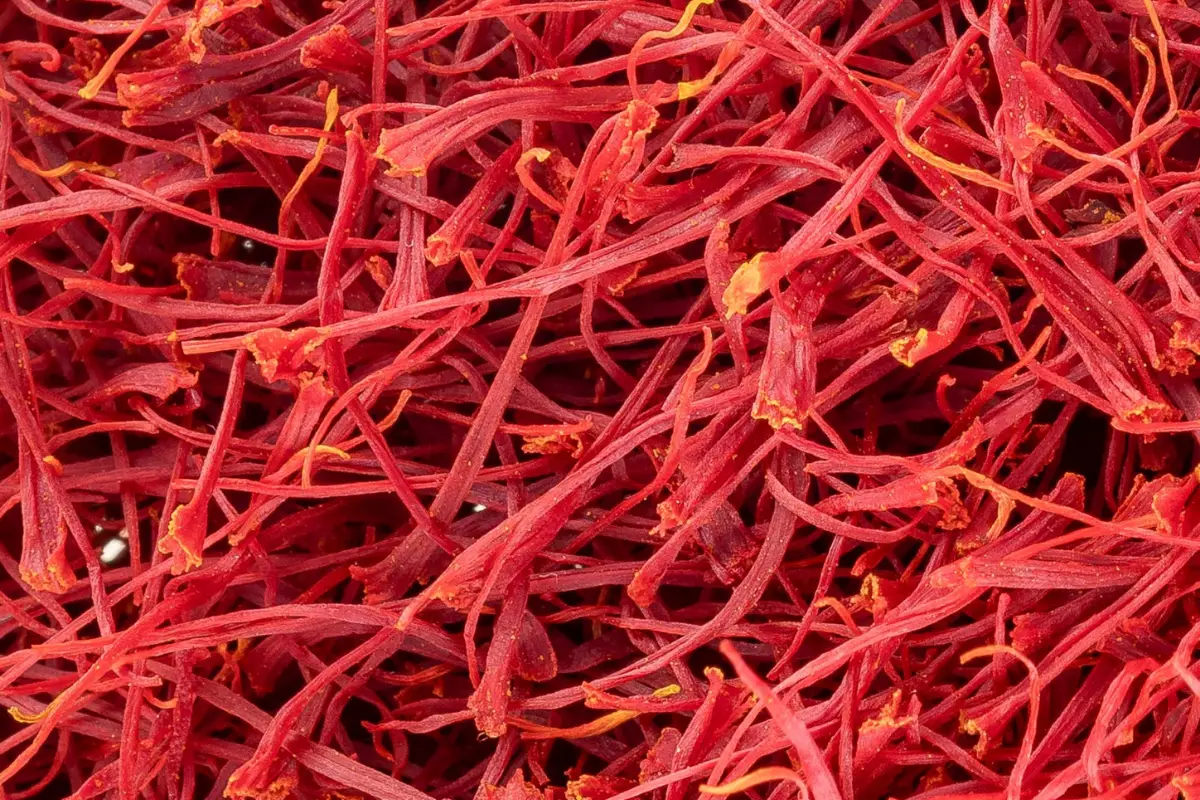
High-quality saffron usually has deep red threads, a strong natural aroma, and clean separation from yellow or pale parts. The best saffron is not just colorful; it should release color gradually, carry a distinct aroma, and come from a trustworthy source.
Lower-quality saffron may include more yellow style, broken material, excess moisture, weak aroma, or uneven color. Some products may even be adulterated with other plant fibers or artificial coloring. This is why visual beauty alone is not enough. A bright red product is not automatically premium.
To understand these differences better, check our guide on the grades of saffron.
Source Quality Saffron with Agroota
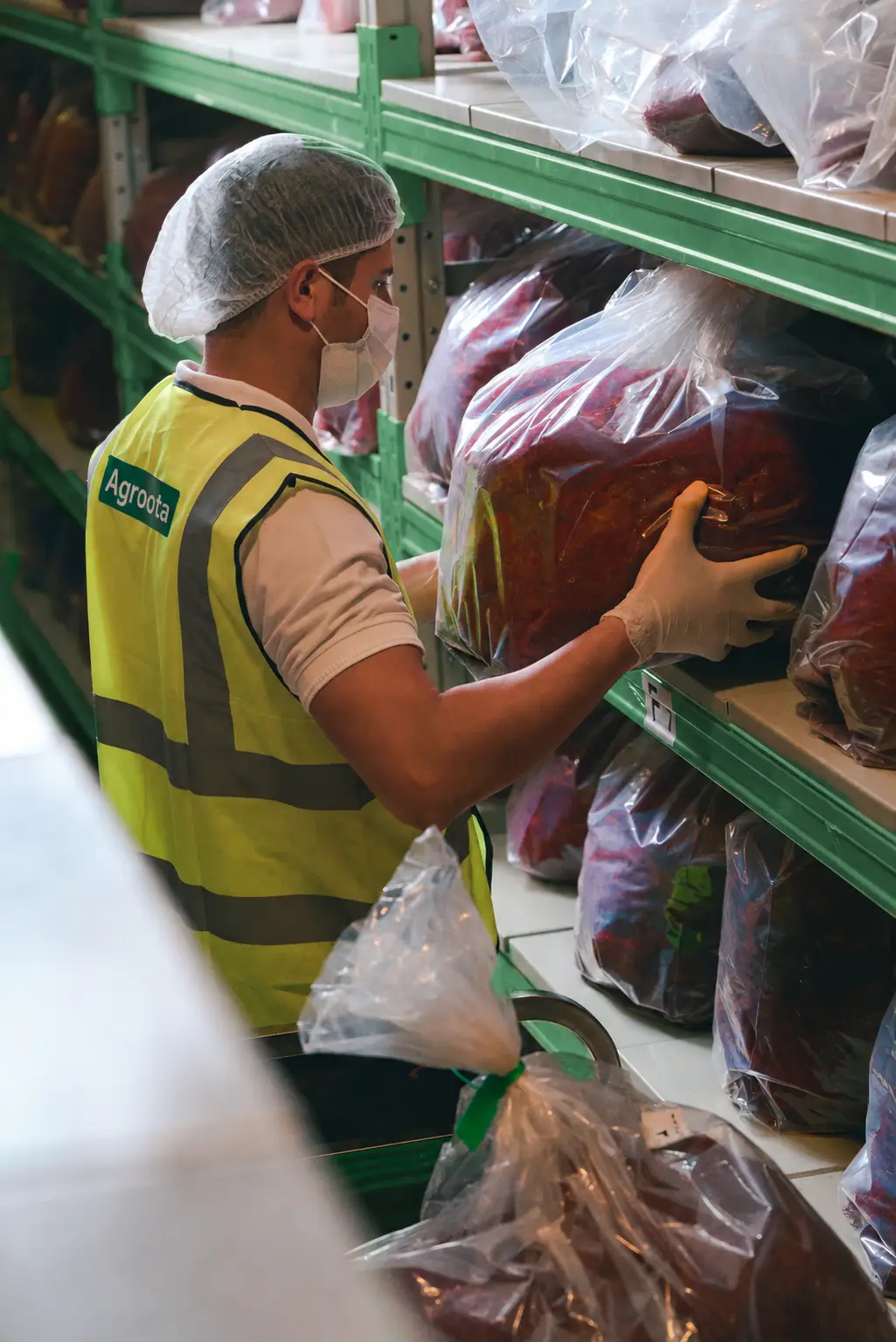
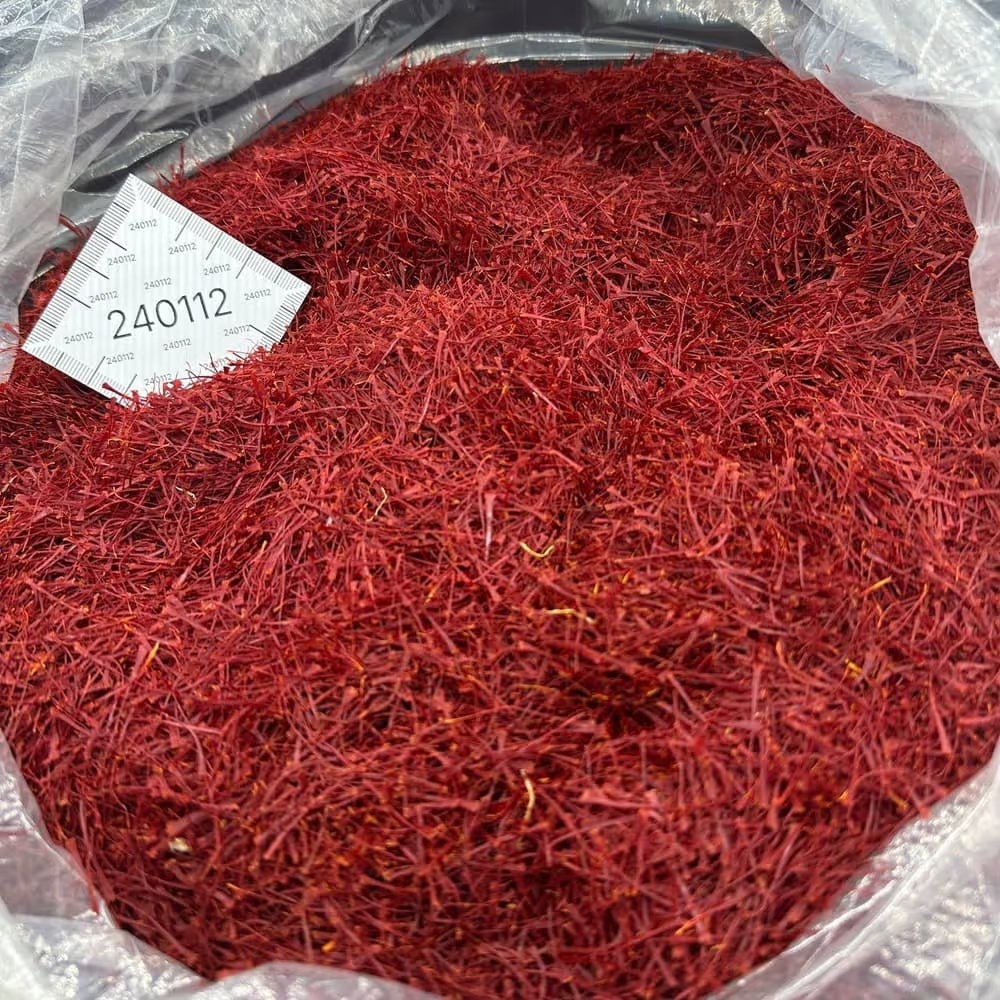
For importers, distributors, food manufacturers, retailers, and other commercial buyers, Agroota provides access to bulk saffron across different types and quality levels. Buyers can compare available saffron options, review current batches, and request pricing based on their required grade, quantity, packaging, and delivery destination.
Final Thoughts
Saffron crocus may look like a simple purple flower, but its hand-picked red stigmas are what become the rare, aromatic saffron threads used in kitchens and products around the world.
FAQs About Saffron Crocus
What is saffron crocus?
Saffron crocus is Crocus sativus, the purple fall-blooming flower that produces saffron. The spice comes from the flower’s red stigmas.
Does saffron come from crocus?
Yes. Saffron comes from the red stigmas of Crocus sativus, commonly called saffron crocus. It does not come from every crocus species.
Is saffron crocus the same as saffron?
No. Saffron crocus is the plant. Saffron is the dried spice made from the red stigmas of the saffron crocus.
How many saffron threads come from one flower?
Each saffron crocus flower usually produces three red stigmas, which become saffron threads after drying.
Looking to Source Saffron in Bulk?
Compare saffron types, review available batches, and source wholesale saffron for your business based on current supply availability.
Need Current Bulk Saffron Pricing?
View indicative wholesale saffron price ranges by type, or learn how Agroota helps businesses source saffron in bulk.


.svg)
.webp)


