
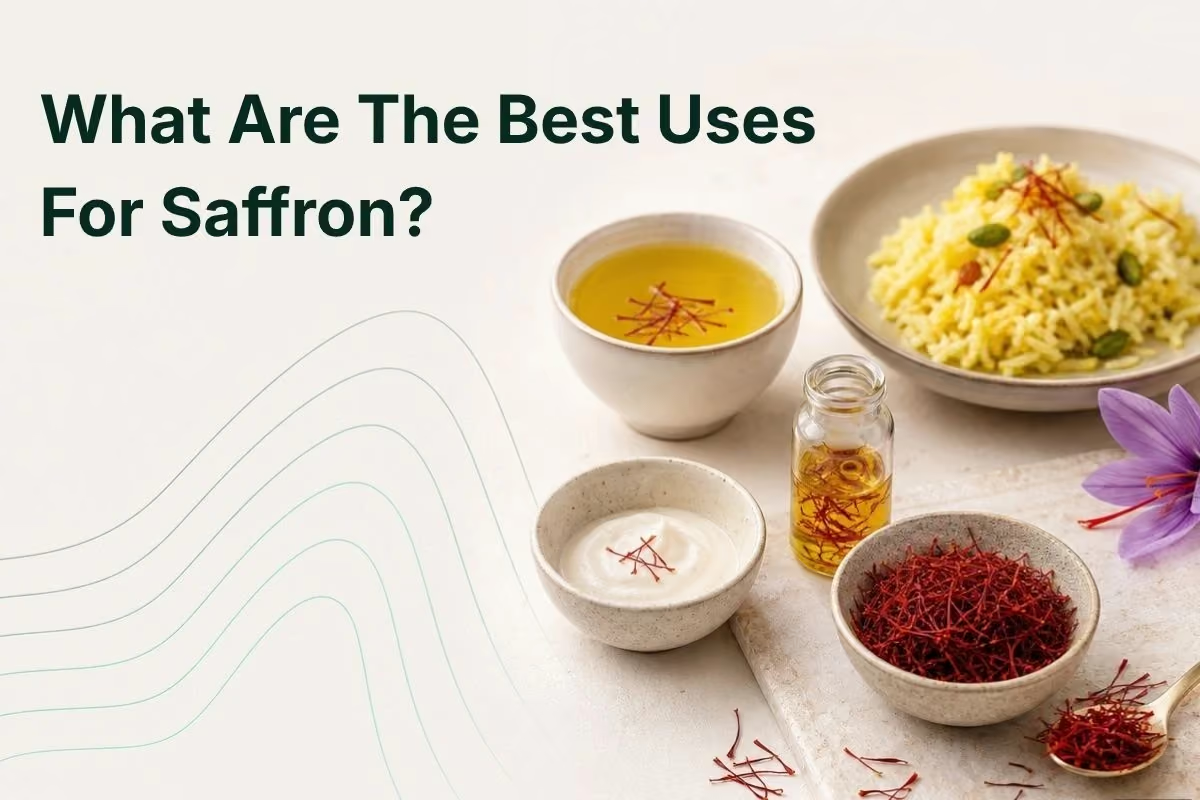
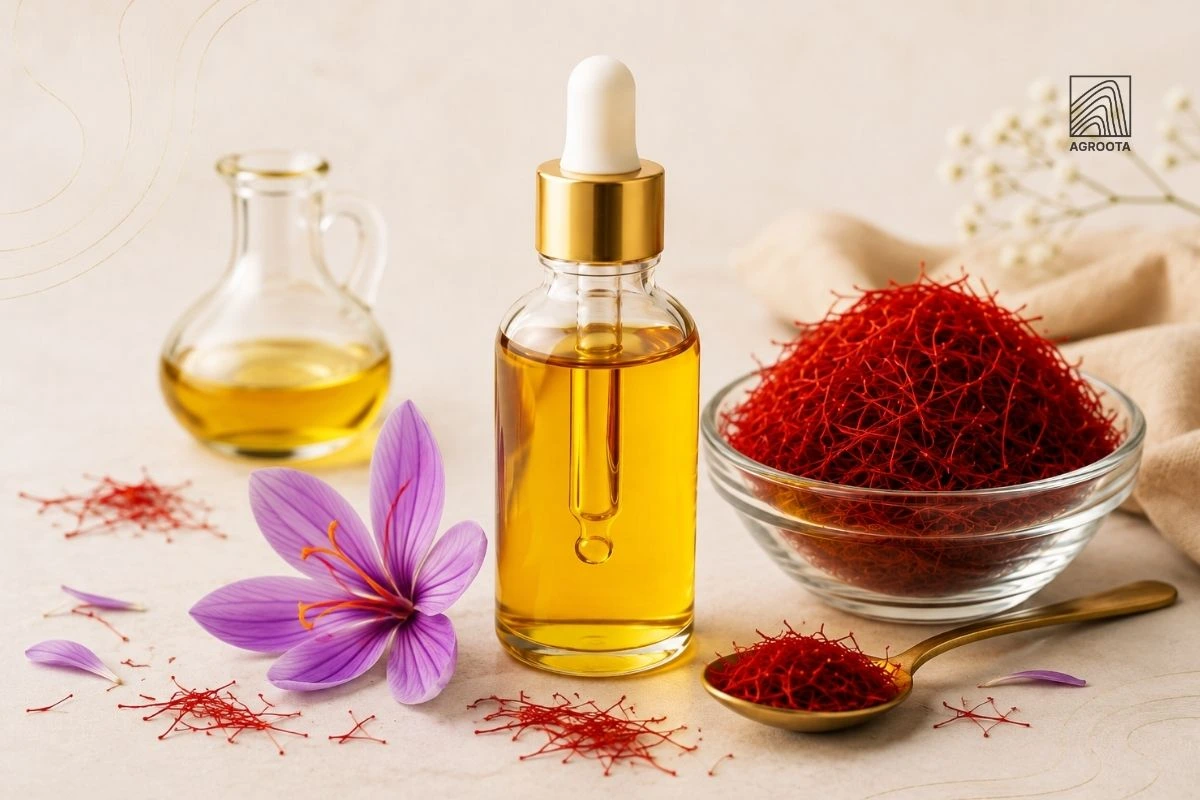
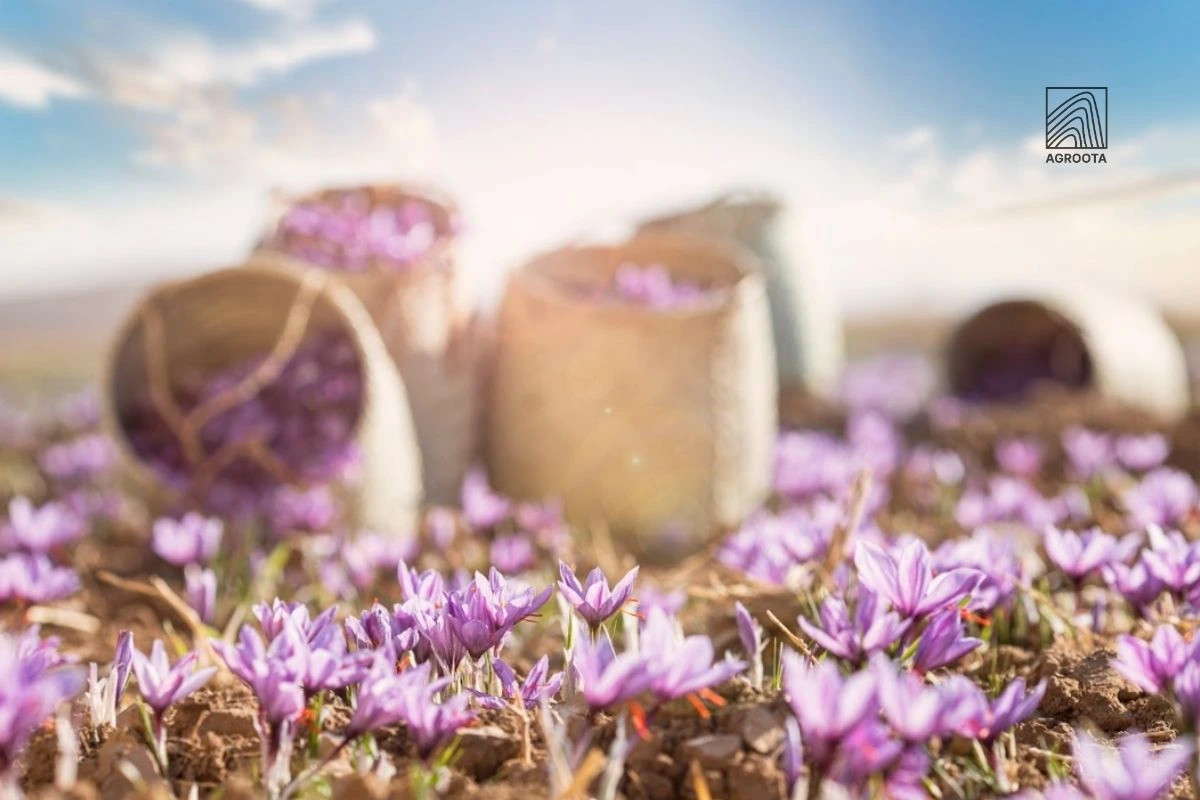
It can take more than 150,000 saffron flowers to produce just one kilogram of dried saffron, which explains why saffron is known as the most expensive spice in the world. But its value is not just about rarity. A few red threads can color rice, perfume a dessert, deepen a seafood broth, turn hot water into saffron tea, and add a luxury signal to premium food products. That is why the best saffron uses are not about using more saffron. They are about knowing how to unlock its color, aroma, and flavor properly.
What Is Saffron Used For?
Saffron is a premium spice used for color, aroma, flavor, and traditional wellness. Its most popular uses include cooking, drinks, desserts, and luxury food products.
Main Uses of Saffron:
- Cooking: Saffron adds a golden color and rich floral flavor to rice, seafood, soups, stews, sauces, and chicken dishes.
- Drinks: It is commonly used in saffron tea, saffron milk, golden milk, lemonades, and premium mocktails.
- Desserts: Saffron pairs well with milk, cream, rose water, cardamom, pistachio, honey, and rice-based sweets.
- Traditional Wellness: Saffron is often used in calming drinks and traditional routines, especially in small culinary amounts.
- Natural Color and Luxury Products: Its deep golden color and distinctive aroma make it popular in festive foods, premium recipes, and high-end food products.
How to use saffron: The Blooming Process
Before we talk about specific recipes, we need to cover the most important rule. You should never drop dry threads straight into your food. To get your money's worth and release the active compounds, you have to "bloom" it. Here is the best way to do it:
- Crush the threads: Take a small pinch (usually 2 to 3 threads per person) and gently crush them in a small mortar.
- Add warm liquid: Pour in two tablespoons of warm water or warm broth.
- Wait patiently: Let the mixture sit for 15 to 20 minutes until the water transforms into a stunning deep red.
This infused liquid and the softened threads are what you will actually pour into your recipes.

Saffron Uses in Cooking
The culinary world is where saffron spice truly shines. The saffron taste is wonderfully complex, bringing delicate, subtly sweet, floral, and earthy notes to your meals. At the same time, the saffron smell is unmistakable, often described as a beautiful mix of sweet honey and fresh hay.
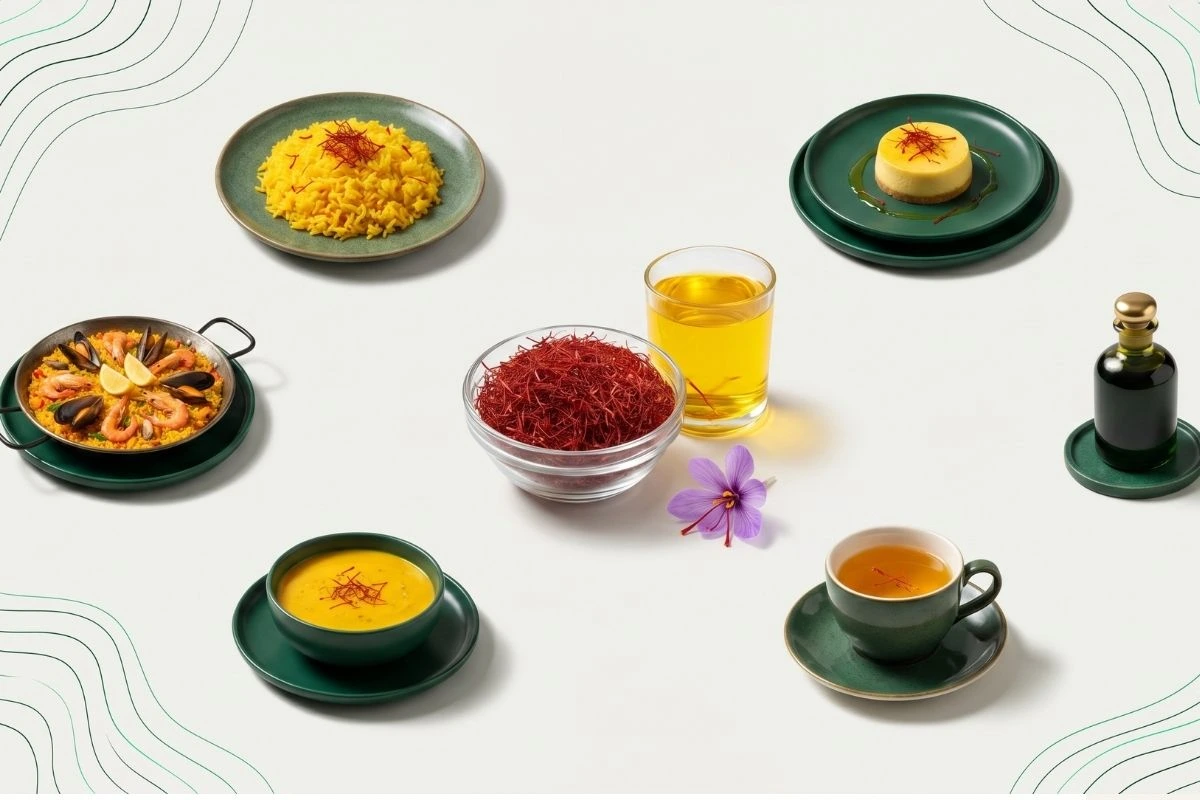
Here are the most popular saffron uses in cooking:
1. Saffron Rice
This is probably the most famous saffron use. Saffron rice appears in Persian, Indian, Middle Eastern, Spanish, and Mediterranean cooking.
The technique is simple: bloom saffron in warm water, then mix it into cooked rice, rice water, butter, ghee, or broth. The result is golden color, floral aroma, and a slightly earthy depth.
Best examples:
- Persian saffron rice
- Tahdig
- Biryani
- Pilaf
- Spanish rice
- Rice pudding
- Saffron risotto
Saffron is especially strong in rice because rice absorbs liquid and carries aroma well. That means the saffron spreads through the dish instead of sitting on top.
2. Paella and Seafood
Saffron is one of the signature ingredients in paella. It gives the rice its golden color and adds a warm, slightly marine-friendly aroma that works well with shrimp, mussels, clams, fish, chicken, and vegetables.
It also works in seafood soups and stews, especially when paired with tomato, garlic, onion, olive oil, white fish, and shellfish.
3. Soups, Stews, and Broths
Saffron works well in slow, warm dishes where it has time to infuse.
Use it in:
- Chicken soup
- Seafood stew
- Lentil soup
- Vegetable broth
- Moroccan tagine
- Creamy sauces
- Tomato-based stews
The trick is to add bloomed saffron toward the middle or later part of cooking. If you boil it aggressively for too long, the aroma can fade.
4. Desserts and Sweets
Saffron is underrated in desserts. It pairs well with milk, cream, rice, rose water, cardamom, pistachio, almond, honey, vanilla, and citrus.
Best dessert uses:
- Saffron ice cream
- Rice pudding
- Custard
- Milk cake
- Saffron cookies
- Sponge cake
- Panna cotta
- Saffron syrup
- Halva
- Kheer
Saffron desserts work because the spice has a warm, floral, honey-like side. If you want to understand the flavor before using it in sweets, compare it with a guide on saffron taste so you know how much bitterness, sweetness, and earthiness to expect.
5. Saffron Tea and Drinks
Saffron tea is one of the easiest ways to use saffron. Add a few threads to hot water and let it steep. You can drink it plain or combine it with honey, lemon, rose, cardamom, cinnamon, ginger, or green tea.
Common saffron drinks:
- Saffron tea
- Saffron milk
- Golden milk
- Saffron lemonade
- Saffron syrup
- Saffron cocktails and mocktails
- Saffron coffee infusions
This is also where many people first search for saffron tea benefits, because tea feels like the most direct wellness use. The important point is to keep expectations realistic. Saffron tea can be a comforting drink, but it should not be presented as a cure for medical conditions.
Common Saffron Health Benefits & Medicinal Uses
Long before it became a gourmet cooking staple, traditional healers relied on saffron's medicinal uses to treat everyday ailments. Today, modern science backs up many of these historical claims. Here is a look at what research says about its health benefits:
Mood Boosting and Stress Relief
Often called the "sunshine spice," it is famous for its mood-enhancing properties. Many people enjoy saffron tea benefits as a natural way to support mental well-being and ease symptoms of daily anxiety and depression. This does not mean saffron replaces therapy, medication, or medical care. It means saffron has been studied as a possible supportive ingredient.
Powerful Antioxidant Protection
The threads are loaded with plant compounds like crocin and safranal. These act as antioxidants to protect your cells against oxidative stress and free radical damage. Again, keep the claim grounded. Antioxidant activity does not automatically mean a product prevents disease.
Supporting Heart Health
Studies suggest that the antioxidant properties can help lower blood cholesterol and prevent blood vessels from clogging, which supports overall cardiovascular health.
Relieving PMS Symptoms
For women, regular consumption has been shown to effectively reduce both physical and emotional symptoms of premenstrual syndrome, including headaches and irritability. Saffron may support comfort for some people, but it should not be framed as a replacement for medical care, especially for severe pain, heavy bleeding, or hormonal conditions.
Promoting Eye Health
Early research shows it may improve eyesight in adults with age-related macular degeneration and protect against future damage in the eyes.
Sleep and Relaxation
Saffron tea and saffron milk are often used as calming evening drinks. The ritual itself matters: warm liquid, aroma, slow sipping, and small amounts of saffron. Some supplement research also explores relaxation and sleep, but culinary saffron tea should be positioned as a soothing drink, not a sedative.
Traditional Uses of Saffron
Traditional uses of saffron are broad because saffron has been valuable for thousands of years. It has been used as a spice, colorant, perfume, beauty ingredient, ceremonial material, and traditional remedy.
Common traditional saffron flower uses include:
- Cooking rice and festive dishes
- Preparing saffron tea or saffron milk
- Adding color to sweets and desserts
- Using saffron in wedding and celebration foods
- Perfuming spaces, oils, or luxury products
- Natural dyeing for textiles and food
- Traditional wellness preparations
- Beauty and skincare rituals
In Persian cooking, saffron is deeply tied to hospitality and celebration. In Indian cooking, kesar is used in sweets, milk drinks, biryani, and festive dishes. In Mediterranean cooking, saffron appears in seafood, rice, soups, and breads.
When to Be Careful With Saffron
Saffron is generally used safely in small culinary amounts. The risk increases when people use large amounts, concentrated extracts, or supplements without guidance.
According to WebMD’s saffron safety information, saffron is possibly safe when used as medicine in doses up to 100 mg daily for up to 26 weeks. However, possible side effects may include drowsiness, stomach problems, and nausea. MD Anderson also notes that saffron may interact with certain medications, including some cancer treatments and mental health medications, and that high-dose saffron supplements or extracts may cause side effects.
Be careful with saffron if you are:
- Pregnant or trying to become pregnant
- Breastfeeding
- Taking antidepressants or mental health medication
- Taking blood thinners
- Undergoing cancer treatment
- Using saffron supplements or extracts
- Managing bipolar disorder
- Allergic to saffron or related plants
- Planning to consume large amounts
Pregnancy deserves special caution. Drugs.com notes that amounts higher than those used in food, such as 5 grams or more, may have uterine stimulant and abortifacient effects, and recommends avoiding medicinal use during pregnancy and lactation.
For food brands and sellers, this matters. You can talk about saffron’s traditional uses and potential benefits, but avoid medical promises. Use careful language, especially on product pages and supplement-style content.
Where can you buy saffron?
Because of its high economic value, the market is unfortunately full of fake products bulked up with dyed plant materials. Finding a source you can trust is absolutely essential.
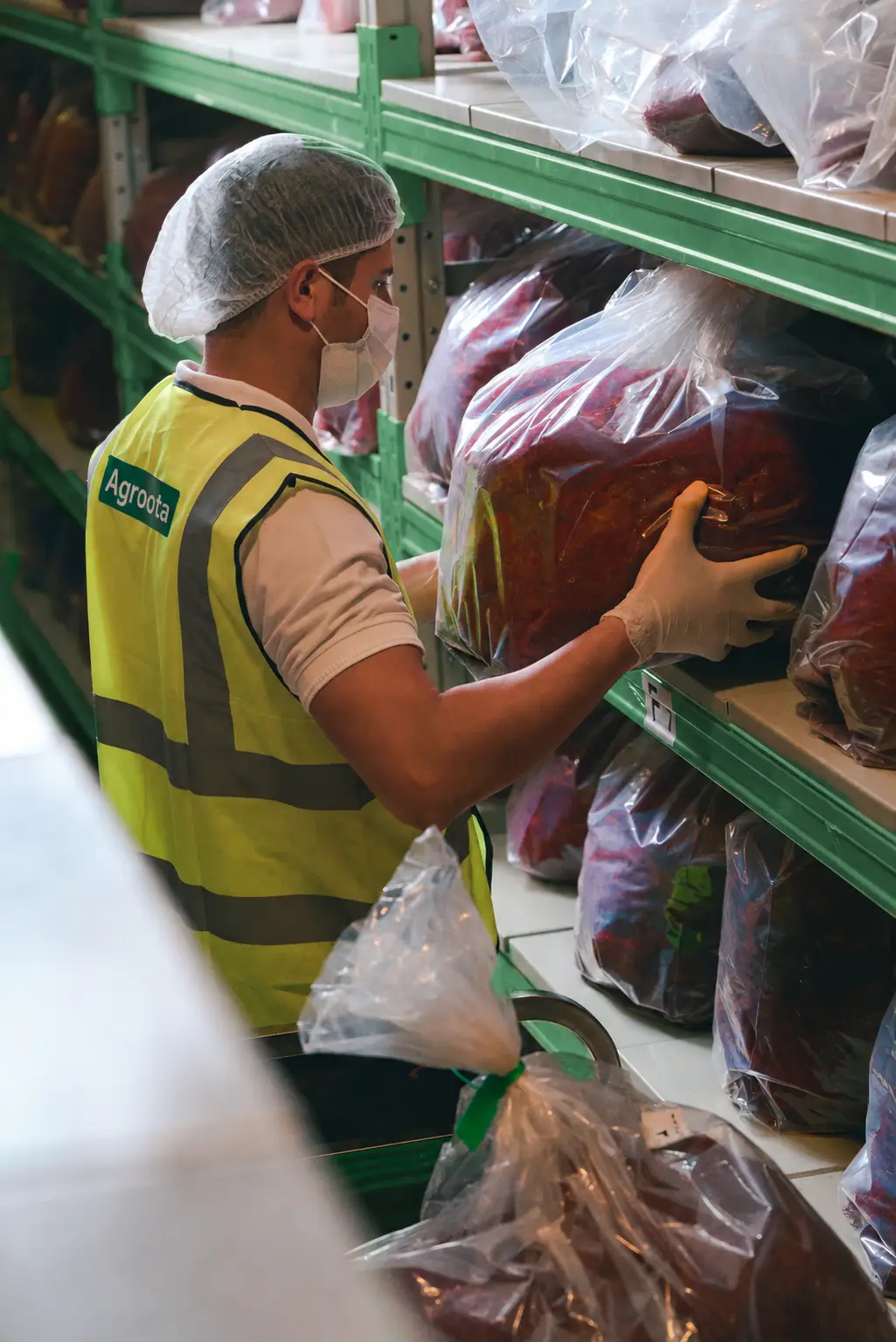
At Agroota, we are proud to offer authentic, lab-tested super negin saffron. Whether you are a home chef looking for pure saffron for sale or a business needing a reliable saffron wholesale supply, we provide exactly what you need.
We believe in complete transparency. You can easily check the current saffron price per kg in the USA. We ensure you get the absolute finest quality straight from the source.
For customers in India, you can also visit our Kesar Price per KG page to check the latest saffron prices.
Quick Guide: Best Saffron Uses by Goal
- If you want the best flavor, use saffron in rice, seafood, chicken, broth, sauces, and dairy desserts.
- If you want the best color, bloom saffron first and add the liquid to rice, drinks, cakes, sauces, or ice cream.
- If you want the best aroma, use saffron in tea, milk, desserts, syrups, and premium dishes.
- If you want traditional wellness use, start with small culinary amounts in saffron tea or food.
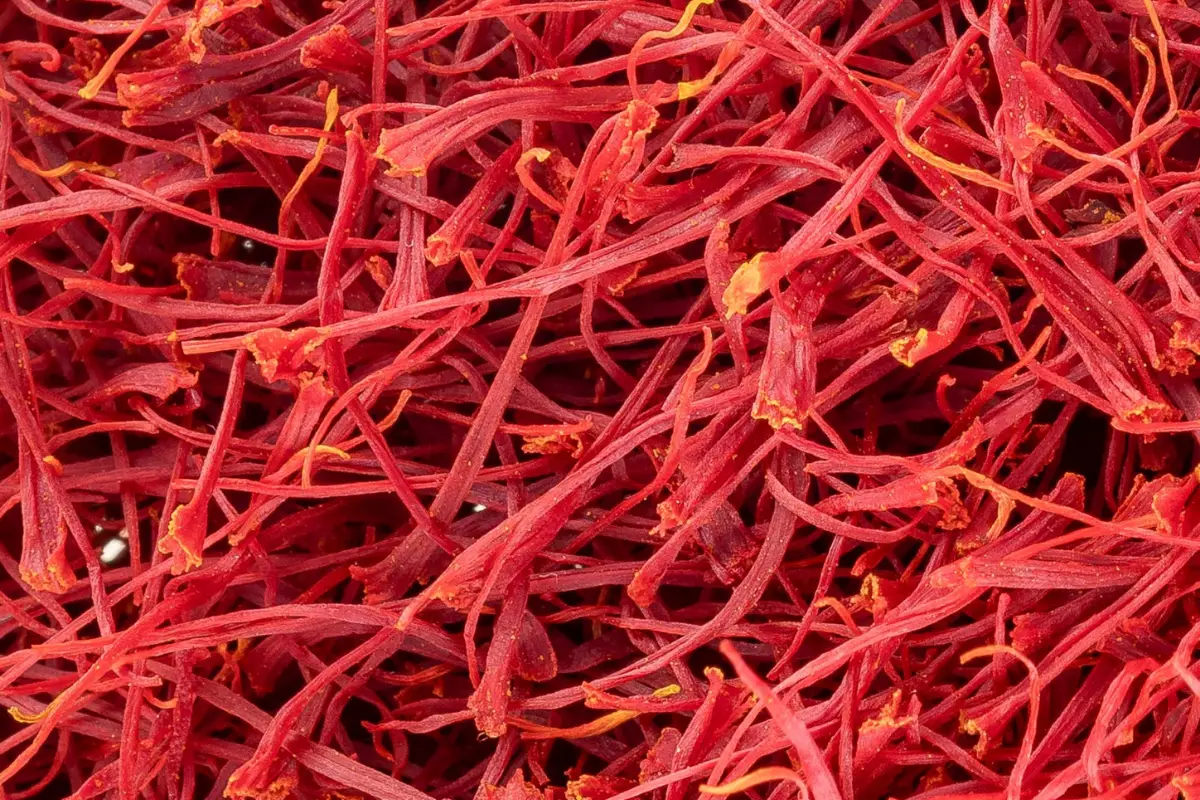
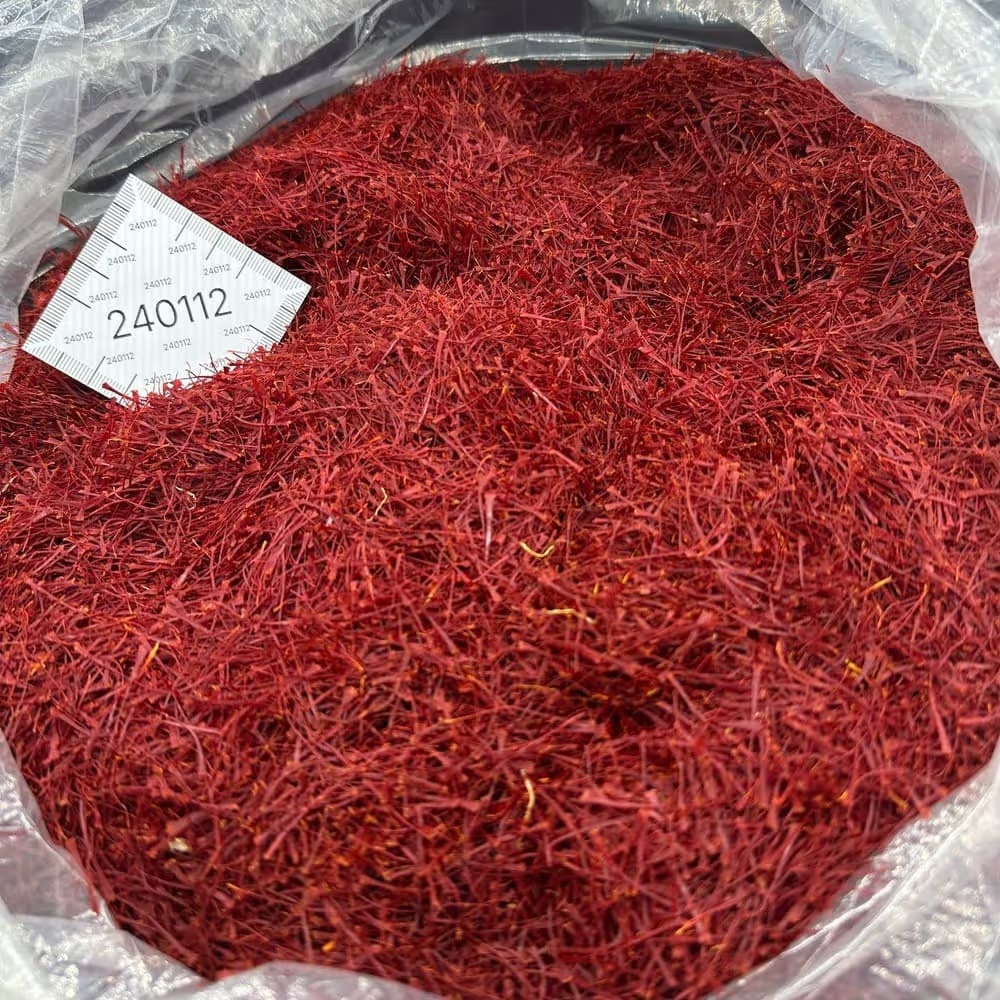
- If you are buying for retail, choose visually impressive long red threads.
- If you are buying for restaurants or manufacturing, prioritize color strength, aroma, lab data, and consistency.
- If you are buying in bulk, compare grade, origin, supplier transparency, and batch-level quality.
FAQ About Saffron Uses
What is the most common use of saffron?
The most common use of saffron is in cooking, especially rice dishes, seafood, stews, desserts, tea, and warm milk drinks. It is used for color, aroma, and flavor.
What is the best way to use saffron?
The best way to use saffron is to bloom it first. Crush a small pinch of threads, soak them in warm water, milk, or broth for 10 to 20 minutes, then add the liquid to your recipe.
Can you eat saffron threads directly?
You can, but it is not the best method. Dry threads do not release their full color and flavor unless they are steeped or cooked in liquid.
What foods go best with saffron?
Saffron goes best with rice, seafood, chicken, milk, cream, butter, rose water, cardamom, pistachio, almonds, honey, citrus, and light broths.
What are saffron's medicinal uses?
Traditional saffron medicinal uses include mood support, calming drinks, menstrual comfort, and general wellness preparations. Modern research has explored saffron for mood, antioxidant activity, and other health areas, but it should not be treated as a cure.
Is saffron safe every day?
Small culinary amounts are generally considered safe for most people. Supplements, extracts, pregnancy use, and large doses require caution and medical guidance.
Why is saffron so expensive?
Saffron is expensive because each flower produces only a few red stigmas, and harvesting is labor-intensive. Quality saffron also requires careful drying, grading, storage, and testing.
Looking to Source Saffron in Bulk?
Compare saffron types, review available batches, and source wholesale saffron for your business based on current supply availability.
Need Current Bulk Saffron Pricing?
View indicative wholesale saffron price ranges by type, or learn how Agroota helps businesses source saffron in bulk.


.svg)

.webp)


